
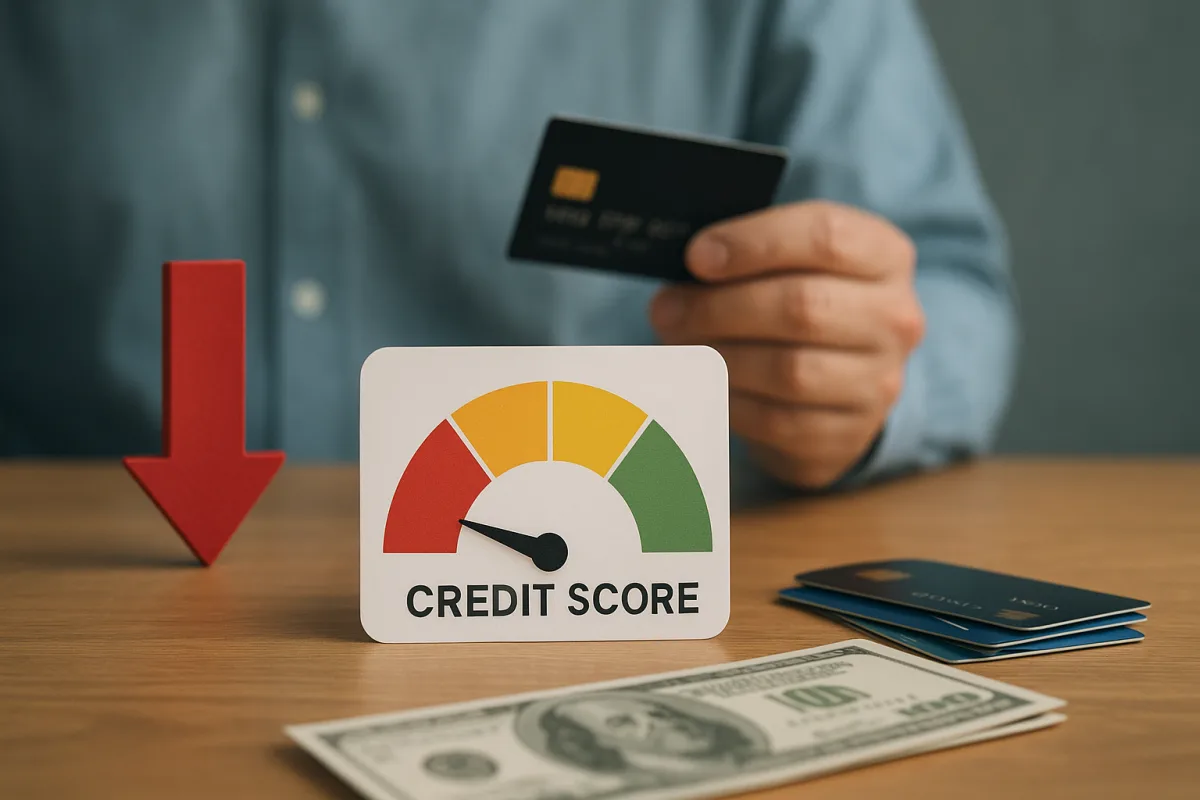
Why is a credit score important?
Credit score is a broad indicator of a person’s past payment habits and current debt management. Banks and other financial institutions may consider this profile when assessing applications for credit cards or cash financing. For that reason, changes in the score can affect not only access to new credit but also a person’s current financial flexibility.
A score does not usually fall for just one reason. Payment discipline, total debt, credit utilization and a burst of new applications are often assessed together. That is why, when a decline happens, it is important to look at the full picture of financial habits first.
Why does a credit score fall?
What are the most common reasons?
A drop in the score is most often linked to delays in credit card or loan installment payments. Regularly making only the minimum payment, missing the due date or needing to restructure debt can all raise perceived risk.
In addition, using a large share of a card’s limit on an ongoing basis can also be seen as a negative signal. High debt relative to income, borrowing across multiple products at the same time and repeated applications in a short period may create the impression of financial strain.
- Delays in credit card and loan installment payments
- Heavy use of credit limits
- Submitting many applications in a short time
- Irregular repayment of existing debt
How can a credit score be improved?
What steps can support gradual recovery?
Credit score improvement usually requires a steady and patient plan. The first step is to make all payments on time and stop any new delays. If regular payment habits are maintained for a while, the financial profile may begin to look more balanced.
Second, it is important to reduce the overall debt burden. Especially with credit cards, choosing more controlled use instead of pushing close to the full limit can reflect repayment capacity more healthily. If possible, avoiding several new applications at the same time may also help.
- Track due dates without missing payments
- Keep credit card usage at a more balanced level
- Prioritize paying off older debts
- Avoid unnecessary new applications
What to keep in mind during the process
A score increase is usually not immediate; it depends on consistent financial behavior over time. For that reason, building a sustainable budget plan instead of relying on short-term fixes may deliver better results.
Monitoring income and expenses, using tools such as automatic payment instructions and avoiding missed due dates are key parts of the process. If needed, reviewing existing repayment plans with banks can also be considered to create a more controlled approach to personal finance.
"""




Comments (0)
No comments yet. Be the first to comment.
Write a Comment
Yorum yazmak için giriş yapın. Üyelik ücretsiz; yorumunuz editör onayından sonra yayımlanır.