

Hardline message from Iran, cautious hope for markets
The oil market continues to price in geopolitical risk as the confrontation between Iran and the U.S. returns to the forefront with fresh statements. Abbas Arakchi said his country is prepared for the most severe conflict scenario with the U.S., but did not completely rule out diplomacy. The conflict environment since February 28 has deepened fears of disruption to global energy supply and higher fuel prices.
The Iranian government has put forward specific conditions to Washington for reopening the Strait of Hormuz and resuming nuclear talks. Iranian officials said a new process could be launched within seven days if those conditions are accepted, while U.S. President Donald Trump reportedly rejected the proposal. Iranian officials also said they have not yet received any official response to their demands, which were conveyed through mediators.
Among Iran's demands are an end to what it describes as U.S. attacks, the lifting of the naval blockade, the removal of economic pressure and the release of Iranian assets. Tehran maintains that the current deadlock can only be overcome through negotiation.
Why restrictions in the Strait of Hormuz affect energy supply
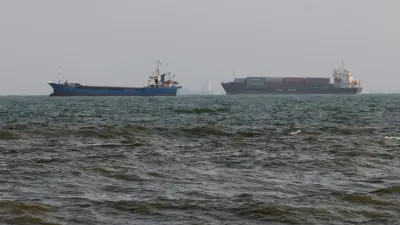
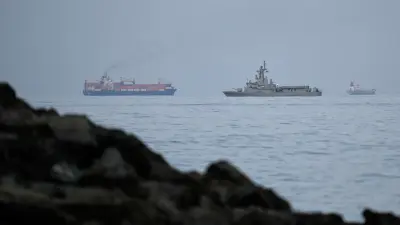
The Strait of Hormuz is a critical transit point for oil and natural gas shipments leaving the Persian Gulf. During the conflict, Iran severely disrupted traffic through the strait, reducing energy shipments from the Middle East. That has added a new layer of pressure to global inflation.
- The risk of restrictions on oil and gas exports from the Persian Gulf has increased.
- Upward pressure has built on fuel costs and transport expenses.
The Islamic Revolutionary Guard Corps also claimed on Sunday that it had seized an unmanned U.S. underwater vehicle. The craft was identified as a Remus 600-type unmanned submarine. U.S. Central Command did not immediately respond to the claim, according to reports.
Weekly decline seen in oil prices
Despite the tensions, the prospect of indirect talks between Iran and the U.S. during United Nations General Assembly meetings led to a weekly pullback in prices. WTI crude closed down 2.3% at $92.41 a barrel on the last trading day of the week, while Brent crude fell 2.1% to $104.32.
On a weekly basis, U.S. crude lost 7.9%, while Brent was flat. Even so, since the start of the year WTI has risen by about 61% and Brent by more than 71%. That suggests the risk premium tied to energy supply remains elevated despite the short-term decline.
Going forward, investors will focus on whether Washington sends an official response to Tehran and how much traffic through the Strait of Hormuz normalizes. Those two issues are seen as decisive for both the direction of oil prices and the inflation outlook.



Comments (0)
No comments yet. Be the first to comment.
Write a Comment
Yorum yazmak için giriş yapın. Üyelik ücretsiz; yorumunuz editör onayından sonra yayımlanır.