
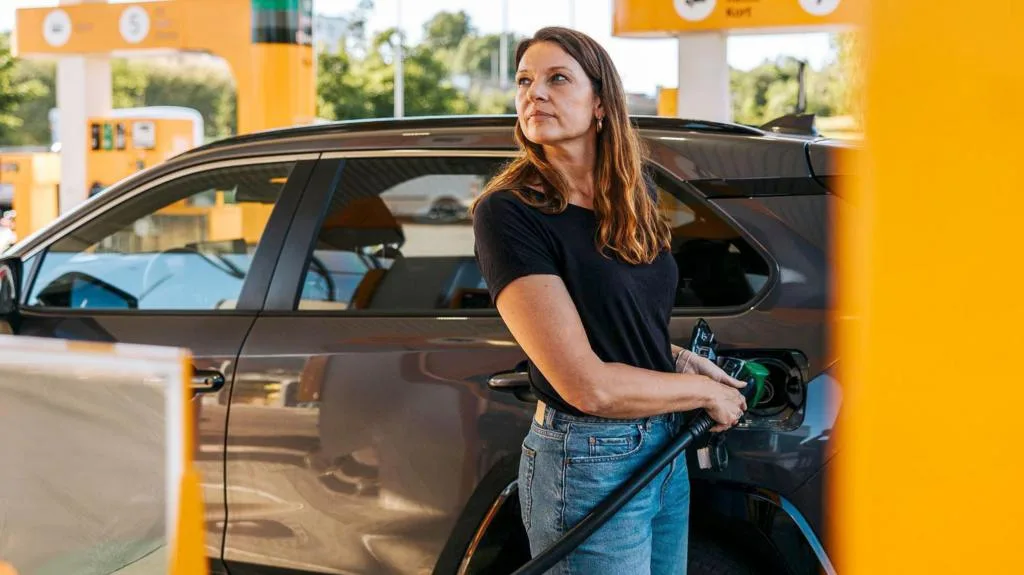
Why did diesel prices hit a record high?
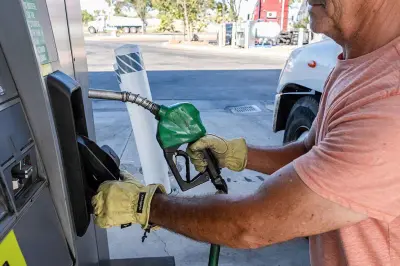
Average diesel prices in the UK climbed to 199.33 pence per litre. According to RAC data, that level beat the previous record of 199.09 pence set on June 25, 2022. The latest increase was driven mainly by the pressure the conflict in the Middle East has placed on oil production and transport.
Petrol prices also rose to an average of 174.23 pence. That is the highest level in four years, although it remains below the 191.5 pence peak seen in summer 2022. Before the war began, average petrol prices in the country stood at 132.83 pence, while diesel was 142.38 pence.
How does crude oil affect pump prices?
Analysts say every $10 increase in a barrel price adds around 7 pence to pump prices. Brent crude was a little above $70 before the conflict, then surged past $120 as the war escalated. After a framework agreement was reached between the US and Iran in June, prices fell back to around $70; but when talks collapsed, Brent crude again moved above $100.
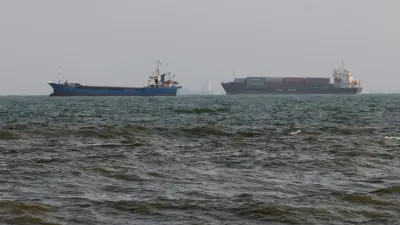
- Disruption in the Strait of Hormuz has tightened global oil and liquefied natural gas supply. Around 20% of the world’s oil and LNG flows normally pass through the strait.
- Russia’s suspension of diesel exports after Ukrainian attacks on refineries has also tightened international supply.
Why is the UK market more vulnerable?
The United Kingdom is heavily dependent on imports for oil and natural gas. Most of those imports come from the US and Norway. Some North Sea oil is also sent abroad for refining, which means fuel prices at home remain closely tied to moves in global markets.
A possible US move could push prices higher
Donald Trump has raised the possibility of restricting overseas sales by US diesel producers. If such a step were taken, costs could rise for the UK and some European countries that rely on US diesel. Meanwhile, experts say wholesale market changes do not feed through to pump prices immediately, and the impact is usually seen about two weeks later because of transport delays.
Simon Williams: "Prices need a few weeks of lower oil to come down."
Fuel retailers denied accusations that they had profiteered during the crisis. The official market regulator also said it has so far seen no evidence that companies systematically changed their pricing strategy to take advantage of the crisis.
What steps is the government considering?
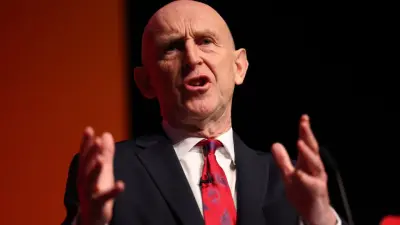
In May, then Prime Minister Keir Starmer announced that a planned 5 pence fuel duty increase due to take effect in September would be delayed until the end of December. On the Treasury side, John Healey said decisions on rising petrol and diesel prices would be considered in the budget process at the end of October, but he gave no details on tax changes.
RAC argues that the government has limited influence over ending the war, but says a cut in fuel duty or VAT could ease the pressure on the domestic market. The Fuel Finder system introduced for drivers also allows station prices across the country to be compared. According to experts, even if the Strait of Hormuz reopens, it will take time for shipments to return to normal, meaning the economic impact of the war could last for months.


Comments (0)
No comments yet. Be the first to comment.
Write a Comment
Yorum yazmak için giriş yapın. Üyelik ücretsiz; yorumunuz editör onayından sonra yayımlanır.