
Why is a ban being discussed?
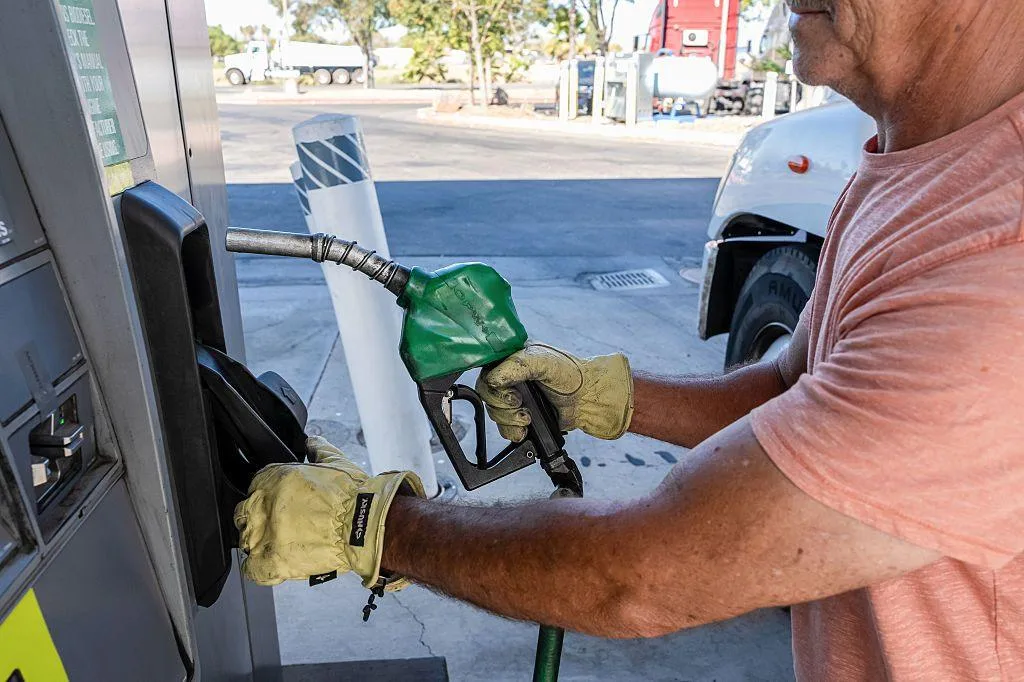
The debate over a U.S. diesel export ban has gained attention as fuel costs in the country have approached record levels ahead of the midterm elections. Donald Trump said he supports restricting diesel exports in order to increase supply in the domestic market.
According to data from the American Automobile Association (AAA), diesel prices are running at around $6.45 per gallon on average. The U.S. Energy Information Administration (EIA) says American refineries produce about 4 million to 5 million barrels of diesel a day, with roughly 3.6 million barrels consumed at home.
The remaining 1.2 million to 1.5 million barrels are shipped to foreign markets. The price surge is being driven in part by the war with Iran, which has strained critical shipping routes around the Strait of Hormuz and tightened global supply.
Which countries and sectors could be affected?
About 60% to 70% of diesel leaving the U.S. goes to Latin America. Countries such as Mexico, Brazil, Chile and Ecuador rely heavily on American shipments for transportation, agriculture and industrial activity.
Significant volumes of fuel also head to European countries including France, the Netherlands and the United Kingdom. These countries are closely watching U.S. supply as they look for alternatives to Middle East sources.
- In the U.S., diesel is used mainly by freight trucks, farm machinery and cargo trains.
- As a result, higher prices can ripple through a wide range of costs, from food transport to construction.
Following historic highs in pump prices in the United Kingdom, the government was reported to have made contact with U.S. officials and begun preparing for a possible ban. In France and across continental Europe, rising fuel costs are also adding to inflationary pressure.
Experts warn of short-term relief but global strain
Trump argues that curbing or fully halting exports could keep extra barrels in the domestic market and provide short-term relief for drivers, transport companies and businesses. Some Republican figures also support the idea, saying the administration is seriously weighing the option.
However, analysts at Argus Media say removing U.S. supply from the global market could trigger a sharp rise in international prices. In that scenario, importing countries in Latin America and Europe could find themselves in a new bidding war for fuel.
David Fyfe, chief economist at Argus Media, said the move could “feed inflation back into the global economy.”
Analyst Sarah Raffoul also said higher international prices could eventually curb demand, but the initial gap would strain trade relationships. According to experts, taking more than 1 million barrels a day of U.S. diesel off the market could push freight, food and industrial costs higher again around the world.
"""





Comments (0)
No comments yet. Be the first to comment.
Write a Comment
Yorum yazmak için giriş yapın. Üyelik ücretsiz; yorumunuz editör onayından sonra yayımlanır.