
Sanctions deepen the contraction in foreign trade
Iranian trade has slumped sharply under the impact of U.S. sanctions and a maritime blockade. Masoud Pezeshkian said in remarks to state television that foreign trade has fallen by 25% to 35%, with exports declining but losses in imports proving even deeper.
Pezeshkian argued that the latest data clearly shows the effect of sanctions on the economy. He said the drop in exports has been less severe than the decline in imports, while the import side has seen a much more pronounced contraction.
Call to reduce dollar dependence
Mojtaba Khamenei, in a written message shared on Friday, called for greater focus on economic growth and higher production. The message urged a gradual reduction in the U.S. dollar’s dominant role in the economy and called for the resistance economy to become the main framework.
Washington targets new financial channels
Scott Bessent on Monday launched a sanctions campaign called Operation Economic Outcast aimed at severing Iran’s economic ties around the world. As part of the move, the U.S. Treasury Department proposed cutting Banque Misr’s operations in the United Arab Emirates off from correspondent banking access with U.S. financial institutions.
- According to the department, Banque Misr UAE handled about $1.8 billion in transactions over the past two years for 103 companies said to have possible links to Iran’s shadow banking network.
- The bank said it is cooperating with the relevant authorities and that the regulatory measure applies only to its UAE branch.
Crude loadings plunged in August
According to Kpler data, the volume of Iranian crude loaded at ports for export fell to about 260,000 barrels per day in August. That was more than 80% below 1.7 million barrels in August 2025, and about 70% lower than 893,000 barrels in the previous month.
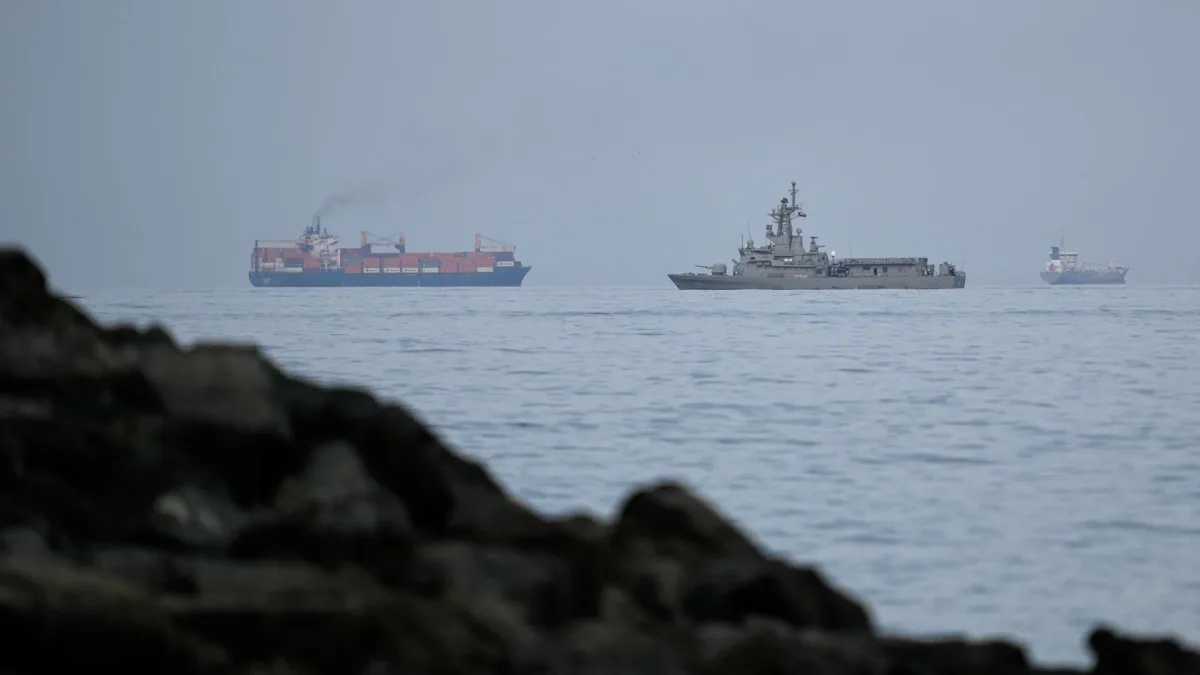
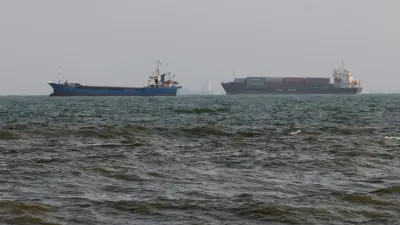
U.S. President Donald Trump reimposed the blockade on July 14 in response to Iranian attacks on oil tankers passing through the Strait of Hormuz. U.S. Central Command said that as of August 28, 82 commercial vessels had been diverted, three had been disabled and two had been boarded.
Tehran signals resilience on budget and foreign exchange
The Iranian Oil Ministry said it had enough sales reserves to cover the 2026-2027 budget despite the maritime blockade. The ministry said $7.5 billion in oil sales over a four-month period had been transferred to the central bank and would be sufficient to cover foreign-currency spending through the start of January 2027.
As six months have passed since the United States and Israel launched large-scale combat operations in Iran, no breakthrough has yet been reached in efforts to fully reopen the Strait of Hormuz. The prolonged tension suggests pressure on Iran’s trade flows and energy revenue has not eased in the near term.


Comments (0)
No comments yet. Be the first to comment.
Write a Comment
Yorum yazmak için giriş yapın. Üyelik ücretsiz; yorumunuz editör onayından sonra yayımlanır.