
Business leaders in Miami sketch out a roadmap for Cuba
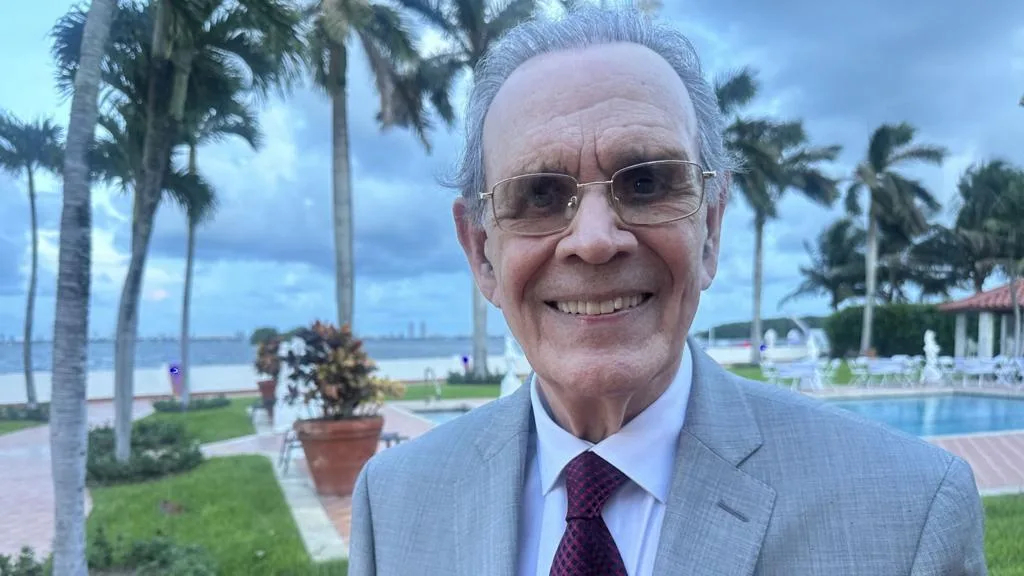
Some wealthy immigrant families in Florida have stepped up preparations for a possible political transition in the Cuban economy. At a meeting of the National Chamber of Commerce of Cuban Americans (CANCC) in Miami-Dade County, participants discussed when and under what conditions they could return to the island, and where capital might flow first.
Juan Omar Sixto, president of CANCC, left the island at a young age and later built a career in real estate. The organization he leads is drawing up a business plan that could be activated if there is a change in government in Cuba. Participants said a proposal for a Cuban stock exchange is being developed, while committees have also been set up on energy infrastructure and food security.
Those attending the meeting argue that humanitarian aid and shipments of medical supplies could begin quickly, alongside commercial activity. But they say they will not move ahead with investment as long as the current political system remains in place.
Why haven’t Havana’s reforms won over investors?
Under heavy pressure from Washington, the Cuban government has announced 176 economic liberalization measures. President Miguel Díaz-Canel defended the changes as a way to strengthen socialism and social justice. Critics, however, say measures such as lifting limits on the number of employees in private businesses, allowing direct hiring and firing, and permitting ownership of multiple companies point to a more market-oriented framework.
Business circles in Miami, meanwhile, say these changes are cosmetic. According to the group, the current rules still do not provide enough legal protection for investors. As a result, while possible opportunities are being discussed, capital would only flow once the political picture changes.
Some analysts, however, say it is still too early to talk seriously about post-transition scenarios. Mike Bustamante, an associate professor of history at the University of Miami, said the Biden administration's appetite for going beyond sanctions may remain limited because of upcoming U.S. midterm elections and the broader foreign policy agenda.
Reconstruction costs and property claims come to the fore
Power, agriculture and land are on the table
The plans of immigrant business circles do not focus only on new investment; property nationalized in the past is also a major issue. Sixto said his family lost five properties and a farm in the Pinar del Rio region, stressing expectations of compensation or restitution rather than eviction.
- The estimated cost of repairing the power grid is between $8 billion and $10 billion.
- Capital, technology and new business models are being discussed to bring farmland back into production.
Some exiled representatives argue that sugar production may not return to former levels; instead, ethanol, cogeneration, solar panels or water treatment solutions could take center stage. Meanwhile, shortages of food, water, fuel and medicine continue on the island.
Just hours after the CANCC meeting, Cuba suffered its sixth nationwide blackout of the year. The picture underscores how wide the gap remains between the investment plans drawn up in Miami and the economic reality on the ground.
"""



Comments (0)
No comments yet. Be the first to comment.
Write a Comment
Yorum yazmak için giriş yapın. Üyelik ücretsiz; yorumunuz editör onayından sonra yayımlanır.