

What is DASK and why is it mandatory?
For homeowners and tenants alike, one of the most common questions is what DASK is and how it differs from home insurance. The two types of insurance do not replace each other; their purpose, the risks they cover and how they work after a loss are different. Having one policy does not mean there is no need for the other.
Known as mandatory earthquake insurance, DASK is essentially a protection scheme designed for material damage caused directly by earthquakes. Its main focus is damage to the structural parts of a home. Some elements attached to the building, such as electrical, water or natural gas lines, may also be considered within this scope depending on the policy terms.
What stands out about DASK is that it is a legal requirement for certain homes. However, this policy alone does not protect household contents, personal belongings or many non-earthquake risks. This distinction is one of the most commonly confused points when choosing a policy.
What risks does home insurance cover?
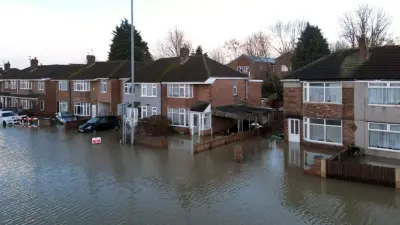
Home insurance is generally an optional insurance product that provides broader protection than DASK. Although the policy content varies by company and package, risks such as fire, flooding, theft, storms, broken glass and similar events may fall under this category. Some policies may also include liability for damage to neighbours or assistance services.
Why should the coverage be read carefully?
Not every insurance policy includes the same coverage. That is why, instead of looking only at the policy name, it is important to review which risks are included, along with deductibles and exclusions. Understanding the difference between contents coverage and building coverage is especially important to avoid surprises after a loss.
- DASK primarily covers earthquake-related structural damage.
- Home insurance may cover many risks other than earthquakes, depending on the policy terms.
- Additional coverage may be needed for contents, electronic devices and valuable personal items.
What does each policy provide after a loss?
Which policy applies after damage depends on the cause of the loss and the affected area. For damage to a building caused by an earthquake, DASK is the first policy to come into play. For non-earthquake risks or extra coverage included in the policy, home insurance may apply. The details depend on the terms written in the policy.
Why do people choose both together?
For many people, the strongest protection comes from the two policies complementing each other. The clearer and broader the coverage, the more manageable the financial burden becomes after a possible loss. That is why it is useful to assess building, contents and additional service needs separately before requesting a quote.





Comments (0)
No comments yet. Be the first to comment.
Write a Comment
Yorum yazmak için giriş yapın. Üyelik ücretsiz; yorumunuz editör onayından sonra yayımlanır.