

What does the investment plan announced in the Oval Office include?
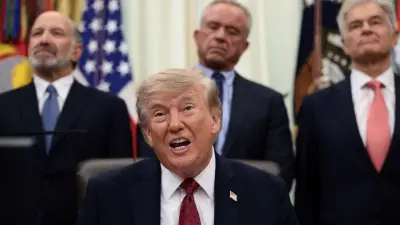
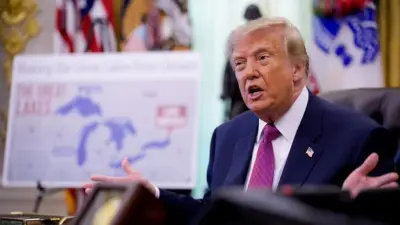
The steel plant investment was announced by U.S. President Donald Trump on Monday in the Oval Office. According to the announcement, Mesabi Metallics plans to build what would be the largest steel production facility in U.S. history in Iowa, spending around $15 billion. White House officials said the plant is targeting a production start in 2030.
The company said production would follow a “made with entirely American steel” approach and added that raw materials would be sourced from Minnesota’s Iron Range. Mesabi Metallics is based in Nashwauk, Minnesota, and is part of India-based Essar Group. The announcement came at a time when debate over the U.S. economy was intensifying ahead of the November midterm elections.
The Minnesota iron mine supplying the project is also drawing attention. The mine, with investment of more than $2.5 billion, has begun new production after nearly two decades of development, but it has faced major setbacks in the past, including delays and the 2016 bankruptcy of Essar Steel Minnesota.
What do the numbers and capacity target signal for the market?
According to the White House, the first phase of the Iowa plant would have the capacity to produce about 7.5 million tons a year. This phase is expected to support as many as 6,000 jobs during construction. In later stages, the project is forecast to raise annual capacity to 10 million tons and create at least 1,750 permanent jobs.
- First-phase target: 7.5 million tons of annual production
- Final capacity target: 10 million tons of annual production
- Expected employment: 6,000 construction jobs and at least 1,750 permanent jobs
The scale is seen as an important indicator for supply, pricing and domestic production capacity in the U.S. market. In particular, capacity gains could affect cost dynamics over the long term for steel-intensive industries such as automotive, construction and machinery, but the project’s real impact will depend on whether it stays on schedule.
Tariff policy supports the investment, but risks remain
At the start of Trump’s second term, his administration imposed a 25% tariff on steel and aluminum imports, later raising the rate to 50%. Critics argue these moves have pushed U.S. steel prices to their highest levels in years. Industry groups, by contrast, say the tariffs have triggered $47 billion in announced and ongoing investment and are calling for existing protections not to be weakened.
Execution risk in long-term industrial projects
Although Commerce Secretary Howard Lutnick described the plan as a “done deal,” financing, construction and demand conditions can change over time in large-scale industrial projects. The Foxconn investment announced in Wisconsin during Trump’s first term — which was cut from $10 billion to $672 million and saw its job target slashed sharply — showed how expectations can diverge from reality in similar projects.
"""

Comments (0)
No comments yet. Be the first to comment.
Write a Comment
Yorum yazmak için giriş yapın. Üyelik ücretsiz; yorumunuz editör onayından sonra yayımlanır.