

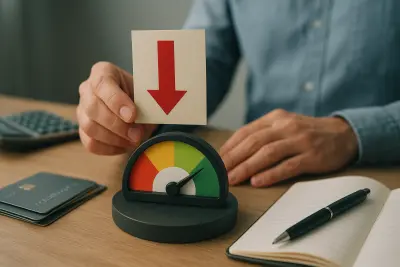
Why do credit scores fall?
A credit score is an important financial indicator that reflects a person's borrowing and repayment habits. Banks and financial institutions use this history when assessing the regularity of credit card and loan payments, current debt levels and new application behavior. In Turkey, one of the tools consumers use to monitor this picture is Findeks reports.
The most common reason for a lower score is late payments. Consistently paying only the minimum on a credit card, missing loan installments or making restructured debt payments irregularly can increase the perception of risk. Submitting many loan or card applications in a short period can also be seen as a sign of financial strain.
Main factors that increase risk perception
- Late credit card or loan installment payments
- Using most of the card limit on an ongoing basis
- Back-to-back applications for new loans and credit cards in a short time
- Heavy debt burdens that make it harder to manage repayments in line with income
What steps can help raise a credit score?
In the credit score improvement process, the most important step is to make payments as regular as possible. Rather than leaving only the minimum due on a credit card, gradually reducing the debt, avoiding new delinquencies and using tools such as automatic payments can provide a strong start.
Simplifying your current debt load can also affect your credit score. Keeping spending in line with income, avoiding multiple applications at the same time and steering clear of unnecessary new financing requests can help build a healthier profile. If needed, creating a personal budget and monthly payment schedule can make the process more manageable.
Practical steps for improvement
- Use a calendar and automatic payment instructions to avoid missing due dates
- Reduce credit card debt in a controlled way and balance limit usage
- Apply for new credit only when there is a real need
- Track debt service burden regularly by creating an income-expense plan
What should you watch during the recovery process?
A credit score drop can result from a single action, while recovery usually requires positive habits over time. For that reason, instead of expecting the score to rise overnight, the goal should be a run of regular payments and balanced debt management.
Past records shown through Findeks provide important signals that help financial institutions assess risk, but focusing on the score alone may not be enough. The real deciding factor is managing debt in a sustainable way and preventing new delinquencies. In short, consistent financial discipline is the key element that strengthens a credit history.
"""




Comments (0)
No comments yet. Be the first to comment.
Write a Comment
Yorum yazmak için giriş yapın. Üyelik ücretsiz; yorumunuz editör onayından sonra yayımlanır.