
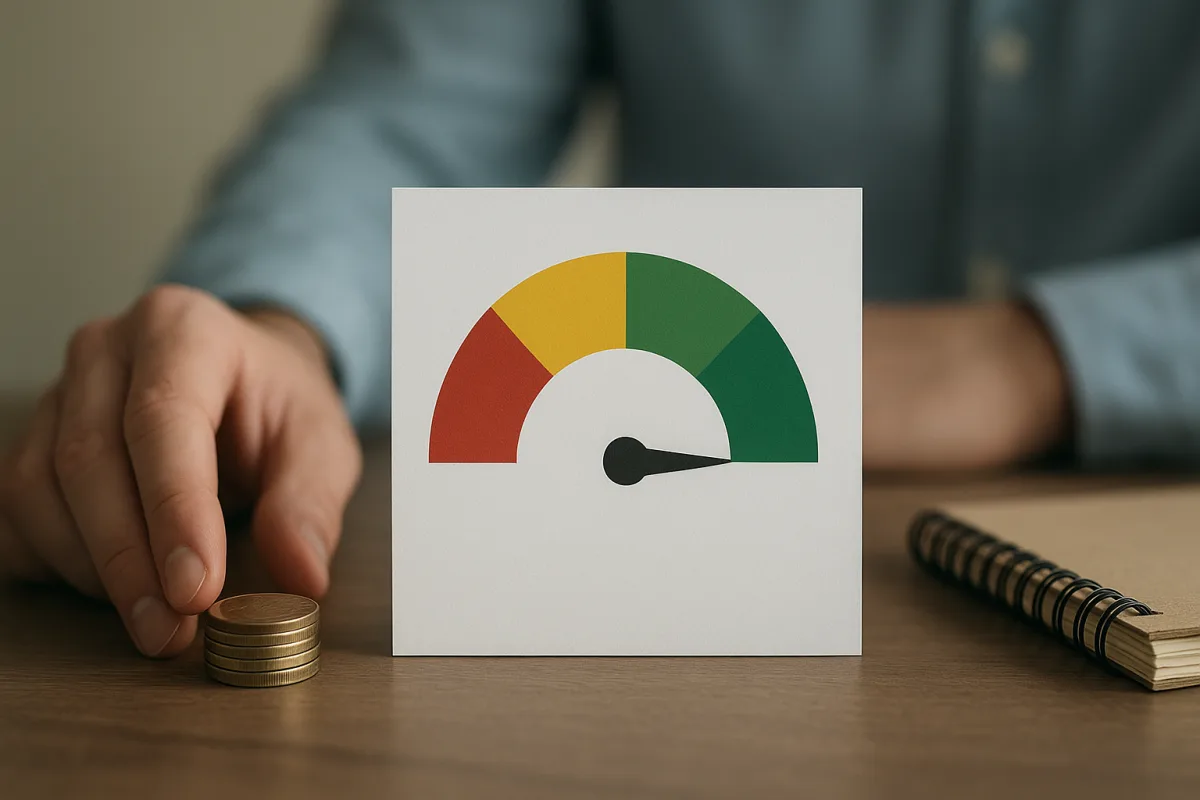
Why do credit scores fall?
Credit score is generally seen as an indicator of how consistently a person repays debt. For that reason, not just one product but credit cards, personal loans, overdrafts and similar obligations — as well as how they are used — are all considered together. In banking assessments, factors such as income, existing debt and the profile of the application also matter alongside the score.
Payment discipline and delays
One of the most commonly cited reasons for a decline is irregular payments. Paying less than the minimum amount, missing the due date or repeated delays can weaken the perception of financial discipline.
In addition, debts that were thought to be closed but remain open in the system, or installments forgotten because there was no automatic payment instruction, can also have a negative impact. That is why it is important to check account activity regularly.
Debt levels and the effect of frequent applications
Using most of a card’s limit on a constant basis or making back-to-back loan applications through different channels can put pressure on the credit score. This pattern may suggest a rising need for financing in a short period of time.
Also, taking on new obligations before old ones are closed increases the overall repayment burden. While this alone does not determine a score drop, it can affect the broader risk assessment.
Which steps stand out for improving a credit score?
Regular payments and debt planning
The most basic step in credit score improvement is to manage existing debt in a planned way. Paying on time, avoiding maxing out available limits and evaluating new debt based on actual need can help build a positive profile over time.
- Use reminders or automatic payments for due dates
- Keep credit card spending within budget
- Avoid multiple new applications in the same period
- Try not to take on additional debt before closing older obligations
Why is tracking financial records important?
Sometimes the problem may come not only from spending, but also from records not being up to date. For this reason, debt closures, restructuring arrangements and account statuses should be monitored regularly. When needed, getting information from the relevant financial institution can help identify possible discrepancies early.
How does the recovery process work?
Recovery in a credit score is usually not immediate; positive financial behavior needs to be maintained for a certain period. That is why sustainable budget management matters more than short-term fixes. Especially if there has been a score drop, the healthiest approach is to balance income and expenses and make regular payments a lasting habit.
In the end, a credit score reflects overall financial behavior rather than a single action. Stable payments, moderate borrowing and careful application management are among the key elements for a stronger profile.
"""





Comments (0)
No comments yet. Be the first to comment.
Write a Comment
Yorum yazmak için giriş yapın. Üyelik ücretsiz; yorumunuz editör onayından sonra yayımlanır.