
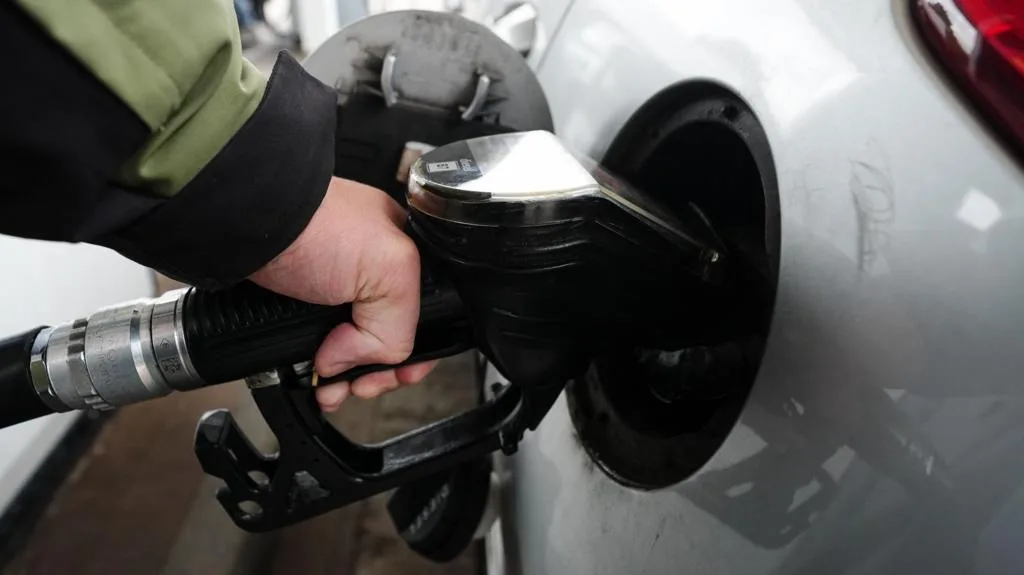
RAC data shows a new threshold has been crossed
The average diesel price in the United Kingdom has climbed above £2 per litre for the first time, reaching 200.01 pence. According to data from motoring group RAC, petrol prices also continued to rise, with the average price hitting 174.71 pence per litre.
RAC said it now costs £110 to fill an average family car with diesel. That is roughly £32 more than when the war began. The cost of filling a typical petrol car has risen to £96.09, an increase of £23.03 since February.
What supply pressures are pushing prices higher?
Over the past seven months, the war in Iran has severely disrupted the transport of wholesale oil and refined products from the region. In addition, Ukrainian attacks on Russian refineries have tightened global diesel supply further, while China’s limits on refined fuel exports have added to the strain in world markets.
The G7’s emergency oil decision
At an emergency meeting on Friday, G7 countries agreed to release 100 million barrels of oil onto the market in an effort to curb price increases. The group also agreed that members would not impose export restrictions on one another, after US President Donald Trump threatened to stop American diesel shipments abroad.
- The extra oil supply is intended to ease pressure on global energy prices.
- The decision not to impose export limits aims to prevent a deeper squeeze on international diesel supply.
How are rising costs affecting companies and consumers?
Simon Williams described the £2 level as “a threshold nobody wanted to see broken.”
According to RAC, the increase is creating extra costs particularly for households that drive long distances, transport and delivery companies, businesses with large vehicle fleets, and self-employed workers. Consumers who do not use diesel are also feeling the impact indirectly through higher delivery charges and food production costs.
Norfolk-based farmer Mark Means, who has worked in farming for more than 50 years, said he installed new £50,000 diesel tanks to secure fuel supplies during harvest and planting periods, but rising prices are eroding profit margins. Steven Tompkins, a driving instructor in Leicester, said they had to raise lesson prices because of higher fuel costs.
The UK government has tried to reassure diesel users about supply. It says fuel supplies are diverse and resilient, and there is no reason to fear an imminent diesel shortage. More than half of the diesel consumed in the country is imported, and less than a third of those imports come from the United States; that accounts for about 17% of total supply.
"""


Comments (0)
No comments yet. Be the first to comment.
Write a Comment
Yorum yazmak için giriş yapın. Üyelik ücretsiz; yorumunuz editör onayından sonra yayımlanır.