
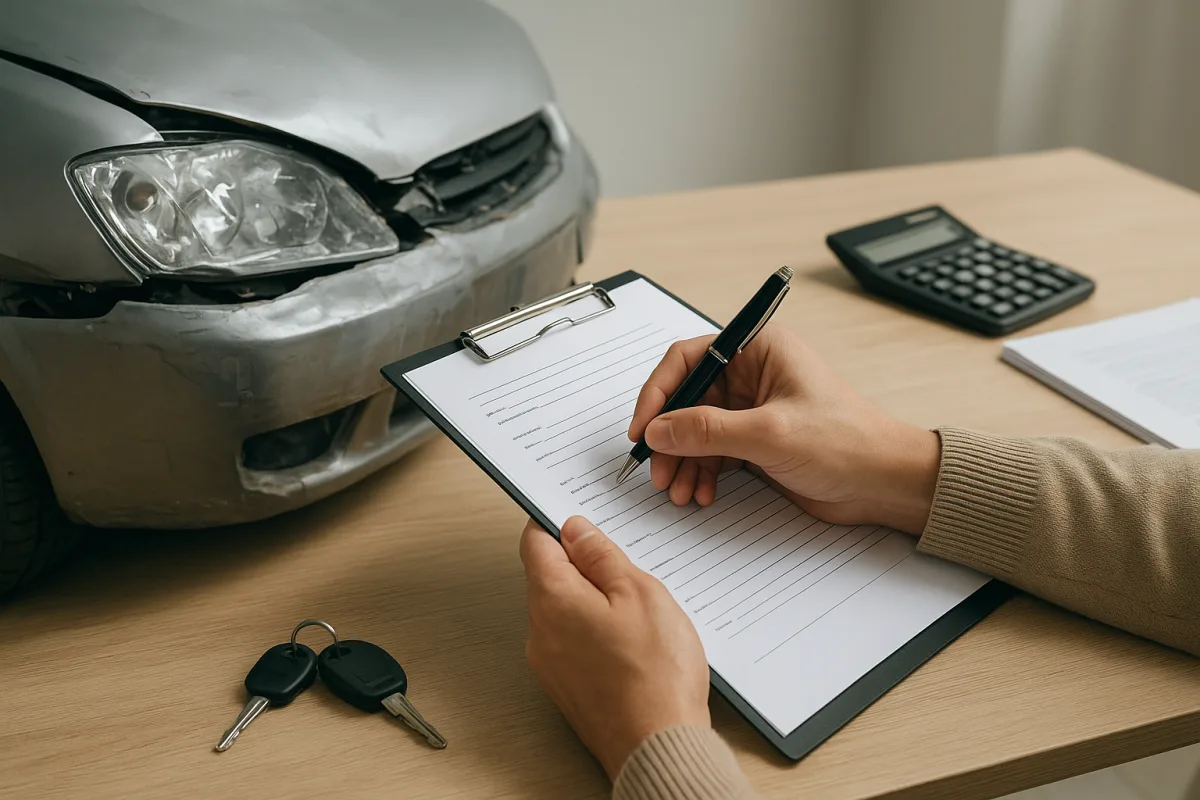
What does vehicle depreciation mean?
Vehicle depreciation refers to a situation in which a car that has been technically repaired after a traffic accident still sells for less on the used-car market. In other words, being repaired does not always restore the vehicle’s market perception to its previous level. For that reason, in some cases the owner may seek compensation for the difference.
In practice, depreciation claims are usually brought by vehicle owners who were not entirely at fault in the crash or who were less at fault. However, because every case has its own circumstances, factors such as the extent of the damage, the vehicle’s prior accident history, its usage condition and market conditions are assessed together. For this reason, it is not always possible to reach a definite conclusion by looking at only one criterion.
Key factors affecting the right to claim
- The fault status in the accident and the contents of the report
- Whether the damage affected the vehicle’s market value
- Whether the car had previously been damaged in similar areas
- Whether the repair is documented with invoices, parts and service records
How do you apply for vehicle depreciation?
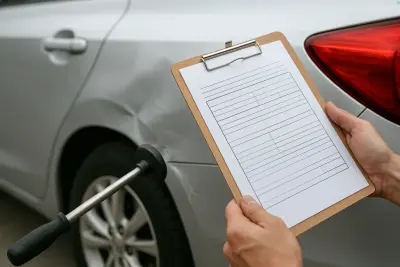
The first step in the vehicle depreciation application process is to collect all documents related to the accident. The accident report, expert assessment report, service invoices, photos, registration details and, if available, documents showing the fault split form the basis of the application. These documents are important for assessing the nature of the damage and the market loss suffered by the vehicle.
Documents that may be requested for the application
- Accident report or relevant official records
- Repair invoices and service documents
- Appraisal or damage assessment report
- Vehicle registration certificate, ID and contact information
- Photos and similar records showing the damage
General steps followed
- First, the documents related to the accident and the repair are collected.
- Whether the vehicle has suffered depreciation is assessed from both technical and market perspectives.
- A written application is submitted to the relevant insurance company.
- Depending on the response, additional documents, an objection or other resolution options may come into play.
Presenting the claim clearly, the documents legibly and the impact of the damage on the vehicle’s value in an understandable way may make the process easier. In some files, an independent expert opinion or additional reports may also be decisive.
What can be done if the application is rejected?
If the application is rejected, the file’s reasoning should be reviewed carefully. Missing documents, fault assessment, previous damage records or the calculation method used for depreciation may become points of dispute. In such cases, it may be possible to submit additional documents, obtain an expert opinion or pursue other resolution paths allowed under the law.
Because legal deadlines and the route to follow may vary depending on the specific case, obtaining professional support can be especially important in disputes involving high amounts. Acting in line with current practice and regulations may reduce the risk of losing rights.
"""


Comments (0)
No comments yet. Be the first to comment.
Write a Comment
Yorum yazmak için giriş yapın. Üyelik ücretsiz; yorumunuz editör onayından sonra yayımlanır.