
What will the 120-day task force focus on?
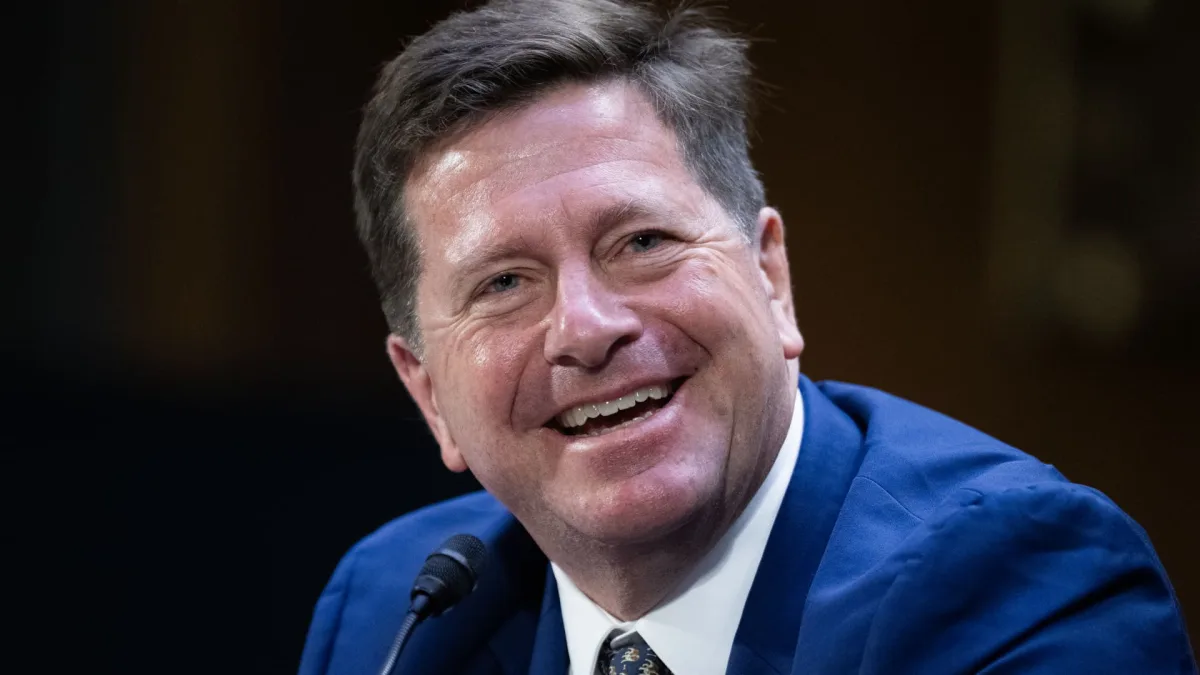
Jay Clayton, who has reportedly been named AI czar, is expected to lead the Trump administration’s new White House structure on artificial intelligence. According to The Wall Street Journal, the team will review the risks and opportunities posed by AI within 120 days and prepare recommendations on the federal government’s responsibilities in this area.
The report said the task force will be called the “Super Intelligence Force,” and that Trump prefers the term “SI” instead of “AI.” The White House had not responded to CNBC’s request for comment at the time of publication.
- Study the impact of artificial intelligence on the economy, security and public administration
- Prepare a policy framework offering recommendations on Washington’s approach to technology
Why does Jay Clayton’s background stand out?
Jay Clayton previously served as chair of the U.S. Securities and Exchange Commission (SEC) and worked as a prosecutor in the Southern District of New York. The Senate confirmed Clayton in July as Director of National Intelligence, a post with broad authority over 18 intelligence agencies in the United States.
Who held the AI and crypto role before?
During Trump’s previous term, venture capitalist David Sacks served as the AI and crypto czar. Sacks announced in March that his role as a special government employee had ended, although he continued to serve as co-chair of the President’s Council of Advisors on Science and Technology.
What does the regulation debate mean for tech markets?
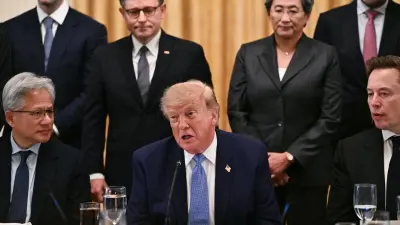
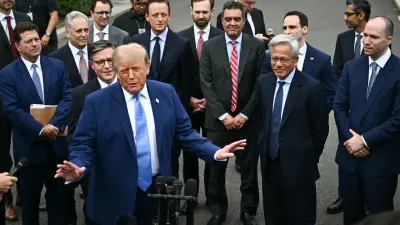
The appointment came days after leading figures in the artificial intelligence sector met with Trump and House Speaker Mike Johnson at the White House. Following the meeting, developers joined an agreement containing voluntary safety standards, and Trump described the framework as morally binding.
Trump, meanwhile, has so far taken a cautious stance toward sweeping federal regulation of AI. In September, he said on Truth Social that he would create a new “AI Force” and aimed to clear the path for the sector. By contrast, names such as Anthropic CEO Dario Amodei and OpenAI CEO Sam Altman have called for federal safeguards for advanced AI models. As a result, Clayton’s report will be closely watched by financial circles for clues on how the U.S. will balance its regulatory approach with its goal of supporting technology investment.



Comments (0)
No comments yet. Be the first to comment.
Write a Comment
Yorum yazmak için giriş yapın. Üyelik ücretsiz; yorumunuz editör onayından sonra yayımlanır.