
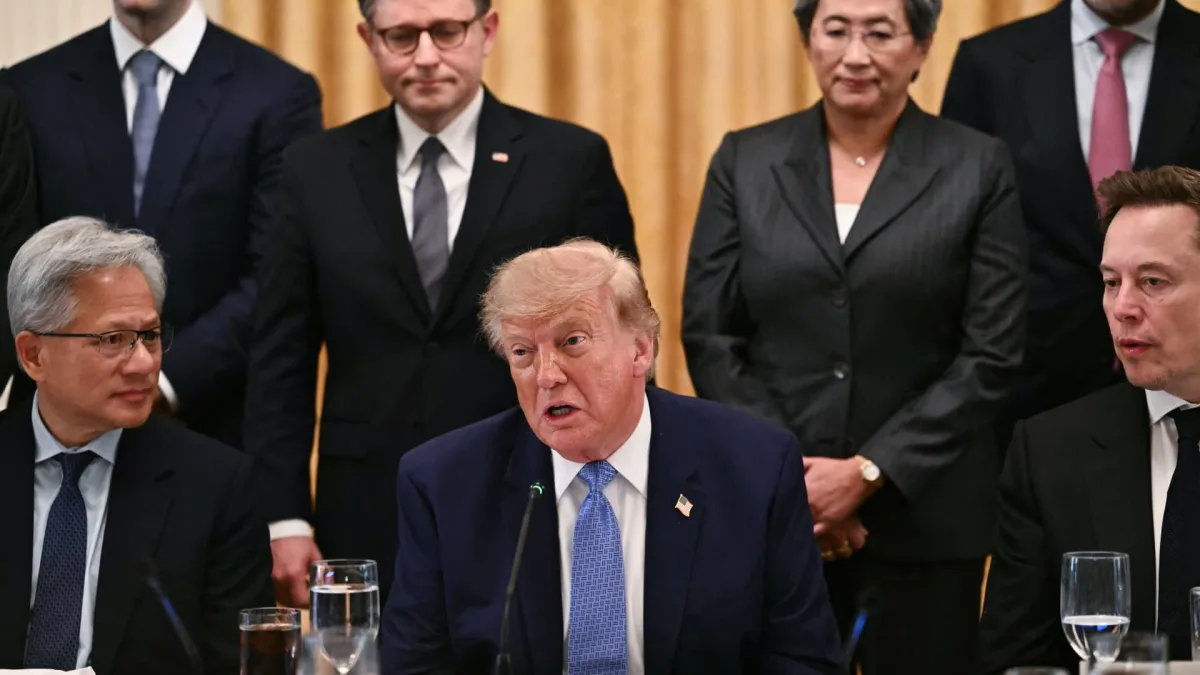
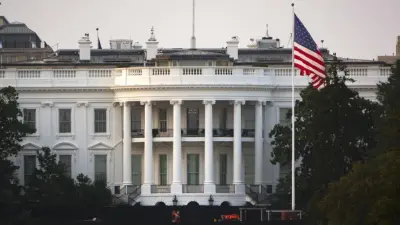
AI policy was at the center of the White House event
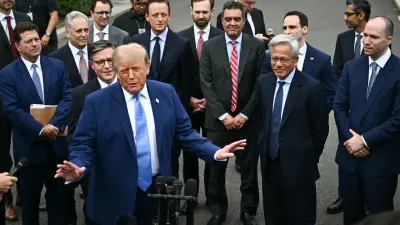
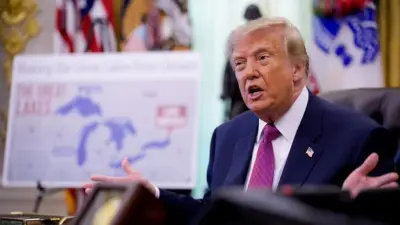
Artificial intelligence was the focus of a high-profile White House meeting on Tuesday, after U.S. President Donald Trump, who has strongly backed the field, claimed the technology had been renamed “superintelligence.” Trump told reporters that the change had been made official through a signed document.
But the document’s contents and legal force remained unclear. Asked whether it was binding, Trump said it was “morally binding”; the White House did not immediately respond to requests for more information.
What framework emerged at the meeting?
House Speaker Mike Johnson, who attended the meeting, said participants signed a principles document titled “The White House Accord on Superintelligence: A Joint Commitment on Frontier SI Responsibilities.” According to Johnson, the text includes voluntary commitments from the industry along with internal and external layers of oversight.
- Voluntary industry commitments
- Strong internal controls
- Internal and external review layers
Johnson argued that safety and innovation are not opposing goals. Trump, meanwhile, responded to a question about why mandatory government safety limits should not be imposed by saying that people working in this field care about the country and the world.
Polls showed weak support for AI management
According to a Quinnipiac University poll released the same day, 25% approved of Trump’s handling of artificial intelligence. By contrast, 58% said they disapproved of his management of the issue.
In the survey, conducted between September 24 and 27 with a margin of error of 3.8 points, AI ranked behind several other issues for Trump. The same poll found approval at 28% for the Iran war, 31% for the economy and 34% for U.S.-China policy.
Regulation debate and political messaging
Asked whether his support for AI and data centers could hurt Republicans in the upcoming midterm elections, Trump said he had to “do the right thing.” Johnson said Republican figures were united in the view that the U.S. should not lose its edge to China in the AI race.
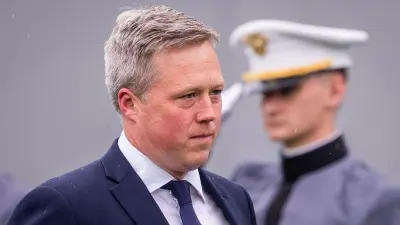
Mark R. Warner, vice chair of the Senate Intelligence Committee, criticized the Trump administration’s approach. Warner argued that the risks posed by increasingly powerful AI systems could not be addressed simply by changing their name.
"""


Comments (0)
No comments yet. Be the first to comment.
Write a Comment
Yorum yazmak için giriş yapın. Üyelik ücretsiz; yorumunuz editör onayından sonra yayımlanır.