
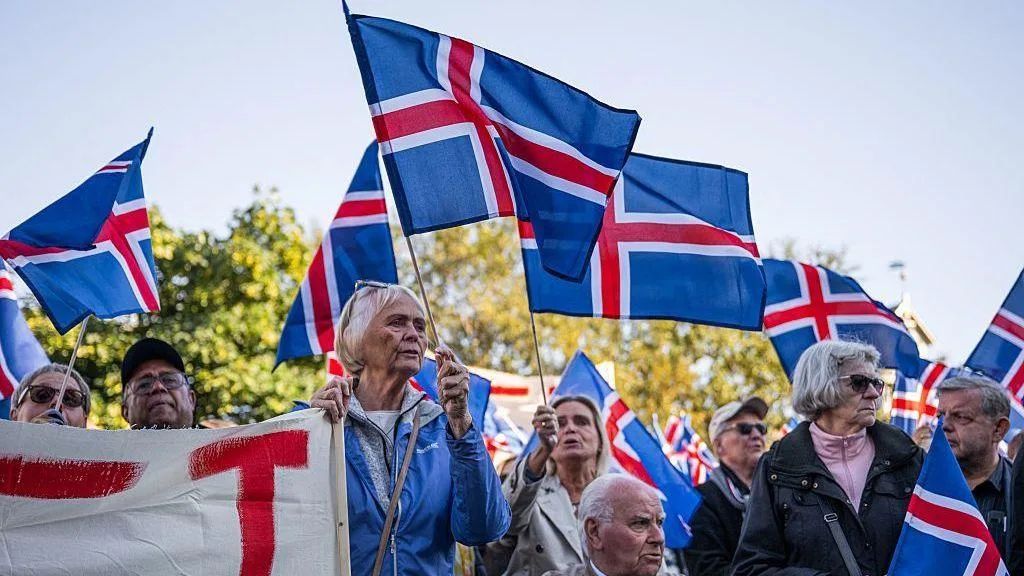
Voting under way in Iceland's EU referendum
The Iceland EU referendum has put the question of whether to restart the country's European Union accession talks before voters. The ballot on Saturday will determine whether negotiations suspended 13 years ago are revived, with the result expected in the early hours of Sunday.
Polling is taking place between 09:00 and 22:00 GMT. In the country of fewer than 400,000 people, more than one-fifth of voters had already cast their ballots before election day, according to the public broadcaster RUV.
A latest opinion poll pointing to a very close race showed the no campaign leading with 51.6%. An earlier survey had put the yes side ahead.
What happens after the referendum?
The question on the ballot is whether Iceland should reopen talks on joining the European Union. A possible yes vote would not mean immediate EU membership; it would only signal a willingness to move toward an accession deal.
Iceland is already part of the EU single market through the European Economic Area and is in the Schengen free movement zone. Full membership, however, would bring the country into the customs union and could eventually pave the way for adopting the euro.
One vote will not be enough for membership
When the process was halted in 2013, the negotiations were already well advanced. European Commission officials say that if talks resume, the file could be wrapped up within 1-2 years; 27 of the 35 chapters had been opened and 11 had been provisionally closed.
- Any possible deal would have to be approved by the public in a second referendum.
- The Icelandic Parliament would also need to ratify the process.
- Constitutional changes would be required, and all 27 EU member states would also have to approve the agreement.
A no result would not close the door entirely. It would not legally prevent the issue from returning to the agenda in the future.
Campaign focused on fishing and sovereignty, not security
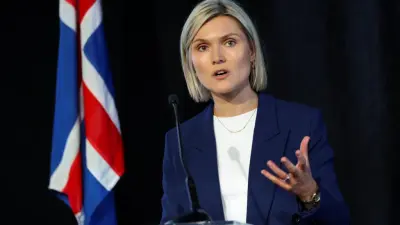
The centre-left government led by Prime Minister Kristrún Frostadóttir had already planned the referendum, but brought the date forward because of international developments. Even so, the campaign focused less on geopolitics and more on Iceland's fishing industry and sovereignty.
Fishing and seafood account for about 40% of Iceland's exports. The no camp argued that EU rules under the Common Fisheries Policy could cost the country control over its valuable fishing grounds, while the Brussels side suggested that certain exemptions could be possible.
Economy and defence also part of the debate
Iceland's membership bid, launched in 2009 after the 2008 financial crisis, was suspended in 2013. The country is now among Europe's wealthiest, but economic pressures remain, including 8% interest rates and 5.6% inflation; the yes camp argues that closer integration with the EU could ease that burden.
Iceland, one of NATO's founding members, has no standing army and relies on its allies for defence. Although the government's decision to move the referendum forward was shaped by a turbulent external environment, security played a more limited role in the campaign than expected.



Comments (0)
No comments yet. Be the first to comment.
Write a Comment
Yorum yazmak için giriş yapın. Üyelik ücretsiz; yorumunuz editör onayından sonra yayımlanır.