

Early results cut the gap to 435 votes
As vote counting continued in the Iceland EU referendum, the first figures reported by public broadcaster RUV suggested the outcome could remain uncertain until the final ballots are tallied. Of the 153,197 votes counted, 50.1% opposed the government’s proposal to restart membership negotiations with the European Union, while 49.9% backed it. The margin between the two sides stood at just 435 votes.
In the referendum, which had around 270,000 eligible voters, the remaining ballots still need to be counted before a final result is declared. Voters were asked whether Iceland should reopen accession talks with the European Union.
Why did the government move the vote forward?
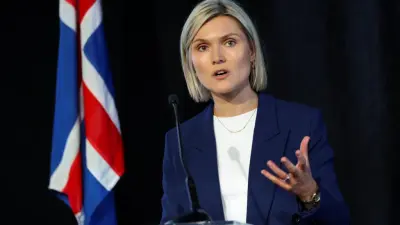
The centre-left government led by Prime Minister Kristrún Frostadóttir had originally pledged to hold the referendum by 2027 under normal circumstances. But the government brought the timetable forward, citing international tensions, including U.S. President Donald Trump’s remarks on Greenland.
Even so, the campaign focused less on security than on the economy, especially fisheries. With a population of about 400,000, Iceland is already part of the EU single market and the Schengen area, but full membership is seen as a step that could bring the country closer to the customs union and, eventually, to adopting the euro.
Why did fisheries matter so much?
Iceland began its EU membership application in 2009, after the 2008 financial crisis and the collapse of its banking system. By the time negotiations had made significant progress, an EU-skeptic government that took office in 2013 suspended the process. Then, as now, the biggest point of dispute was fishing rights.
The fisheries and seafood industries account for about 40% of the country’s exports. Many voters in the “no” camp argue that Iceland could lose control over its productive fishing waters under the EU’s common fisheries policy.
- A yes vote would not automatically make Iceland an EU member; it would only allow accession talks to restart.
- A no vote would not completely rule out talks being relaunched later if a new political decision is made.
Security was also part of the referendum campaign. Iceland is a founding NATO member but has no standing army and relies on allies for defense; the government is also concerned about Russia’s growing naval activity around the island.
"""


Comments (0)
No comments yet. Be the first to comment.
Write a Comment
Yorum yazmak için giriş yapın. Üyelik ücretsiz; yorumunuz editör onayından sonra yayımlanır.