
How did the referendum turn out?
In Iceland's referendum, voters did not approve the resumption of EU membership talks. According to results reported by public broadcaster RUV, more than 225,000 people who voted, 52.8% opposed the government's proposal, while 47.2% backed it.
The gap between the two sides was reported at about 12,600 votes. In a country with around 270,000 registered voters, turnout reached 82.5%, the highest level recorded in Iceland since 2009.
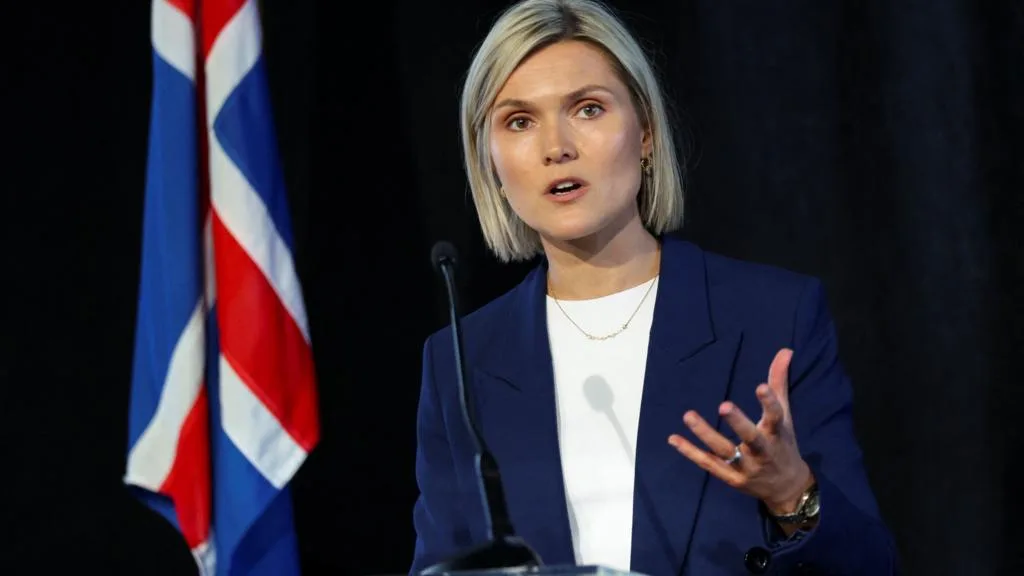
The centre-left government led by Prime Minister Kristrún Frostadóttir had originally pledged to hold the referendum by 2027. But the government brought the process forward, citing international tensions; even so, the debate throughout the campaign focused more on the economy and fishing than on security.
What shaped voters' decision?
Why did fishing become the focus of the campaign?
Iceland is already part of the European Union's single market and the Schengen area of free movement. Full membership, however, would mean a process that could also pave the way for the country to join the customs union and, eventually, the eurozone.
Despite that, the sharpest debate in the referendum centred on fishing rights. The country's fish and seafood sector accounts for roughly 40% of exports. Many voters in the No camp warned that EU rules could weaken national control over profitable fishing grounds.
- Iceland launched its application to join the EU in 2009, after the 2008 financial crisis.
- Negotiations were suspended in 2013, after an eurosceptic government came to power.
A clear geographic split also emerged in the vote. The capital, Reykjavik, was more open to restarting negotiations, while opposition votes were stronger in rural areas.
What does the result mean for the government and foreign policy?
A Yes vote in the referendum would not have been the final decision on EU membership; it would only have reopened the negotiation process leading to an accession deal. That deal would then also have needed approval in a second referendum.
The No result does not mean the door has closed completely. However, Prime Minister Kristrún Frostadóttir said the issue would not be brought back while her government is in office.
Why did the security debate take a back seat?
Although Iceland is a founding member of NATO, it does not have a standing army and relies on allies for defence. Russia's naval activity around the island and US President Donald Trump's remarks about Greenland brought security into the spotlight, but expert assessments suggest that domestic politics, a sense of independence and economic concerns were the main factors shaping voters' choice.
Foreign Minister Katrín Gunnarsdóttir said after the referendum that the country would seek to strengthen its defence ties with other countries. The result is also being seen in Brussels as a missed opportunity in relations with Iceland.
"""
Comments (0)
No comments yet. Be the first to comment.
Write a Comment
Yorum yazmak için giriş yapın. Üyelik ücretsiz; yorumunuz editör onayından sonra yayımlanır.