
What happened during the execution attempt in Tennessee?
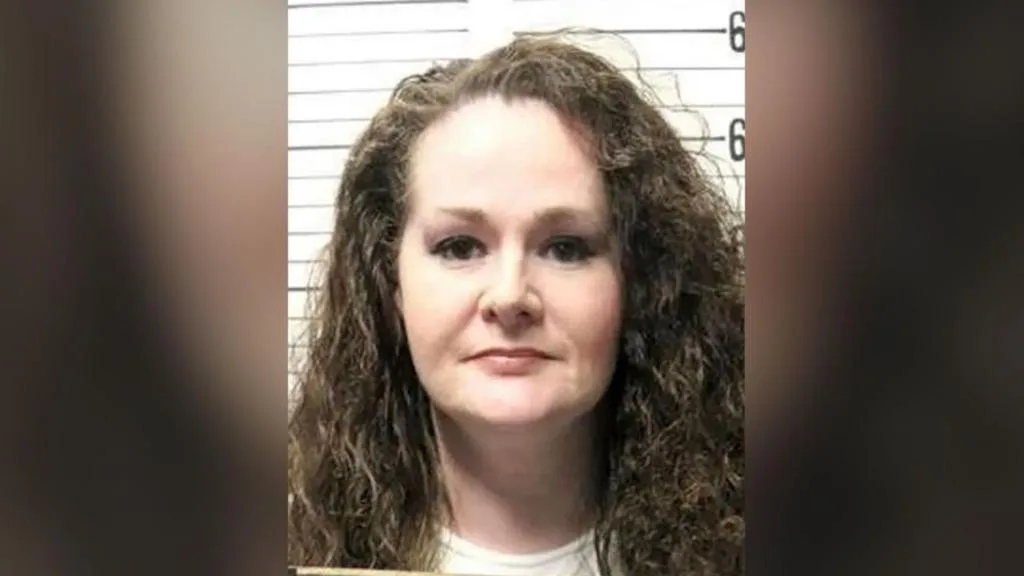
Christa Pike did not die after the lethal injection carried out in Tennessee on Wednesday and was taken to a hospital near Nashville. According to a filing submitted by her lawyers to the court, the 50-year-old inmate was given two doses of pentobarbital, but by Thursday night she was unconscious, intubated and connected to a ventilator.
The defense team said Pike's condition is critical and that hospital staff are working both to keep her alive and to clear the drug from her body. Following the failed execution attempt, lawyers filed for her sentence to be commuted.
In an emergency filing submitted Friday, the defense alleged that officials used at least seven needles to place IV lines in Pike during the execution. According to the filing, Pike was heard crying, moaning and breathing loudly during the procedure before being transported by ambulance to hospital.
How do lawyers and experts explain the failure?
IV access and drug administration under scrutiny
Pike's lawyers argue that the execution team did not properly place the IV lines and failed to notice that the veins had been damaged. As a result, they say, pentobarbital may have spread partly or entirely into tissue beneath the skin rather than entering the bloodstream as intended.
Anesthesiologist Dr. Joel Zivot, who is advising the defense, said two doses would have been enough to cause death if the drug had entered the circulation normally. Zivot said the blisters that formed on Pike's arm suggest a vein may have ruptured, and that Pike's previously noted small vein structure and thrombocytosis, a clotting-related condition, may also have made it harder for the drug to reach the bloodstream.
What evidence did the court ask to preserve?
The defense filed an emergency request asking that all materials related to the execution be preserved. The main items requested were listed as follows:
- Physical materials and medical equipment used in the execution
- Written records, protocols and official documents
- Electronic data and communication records from the process
How did state officials respond, and what happens next?
Tennessee Governor Bill Lee ordered an independent review of the incident and halted all remaining executions in the state this year. The state Department of Correction defended the method used, saying the protocol did not allow any additional procedure beyond what was carried out. Officials have not yet said whether another execution attempt will be made for Pike.
The execution attempt went ahead after the defense's last-minute legal challenges failed. The US Supreme Court rejected two separate requests to stop the execution, and Governor Lee also denied Pike's clemency petition.
Background of the case
Pike was sentenced to death in 1996 for the 1995 killing of 19-year-old Colleen Slemmer. Pike, who was 18 at the time, was the only female inmate on death row in Tennessee. Tadaryl Shipp, the former boyfriend and co-defendant in the case, was 17 at the time of the crime and therefore could not receive the death penalty under state law; he was sentenced to life in prison with the possibility of parole and remains incarcerated.
"""





Comments (0)
No comments yet. Be the first to comment.
Write a Comment
Yorum yazmak için giriş yapın. Üyelik ücretsiz; yorumunuz editör onayından sonra yayımlanır.