
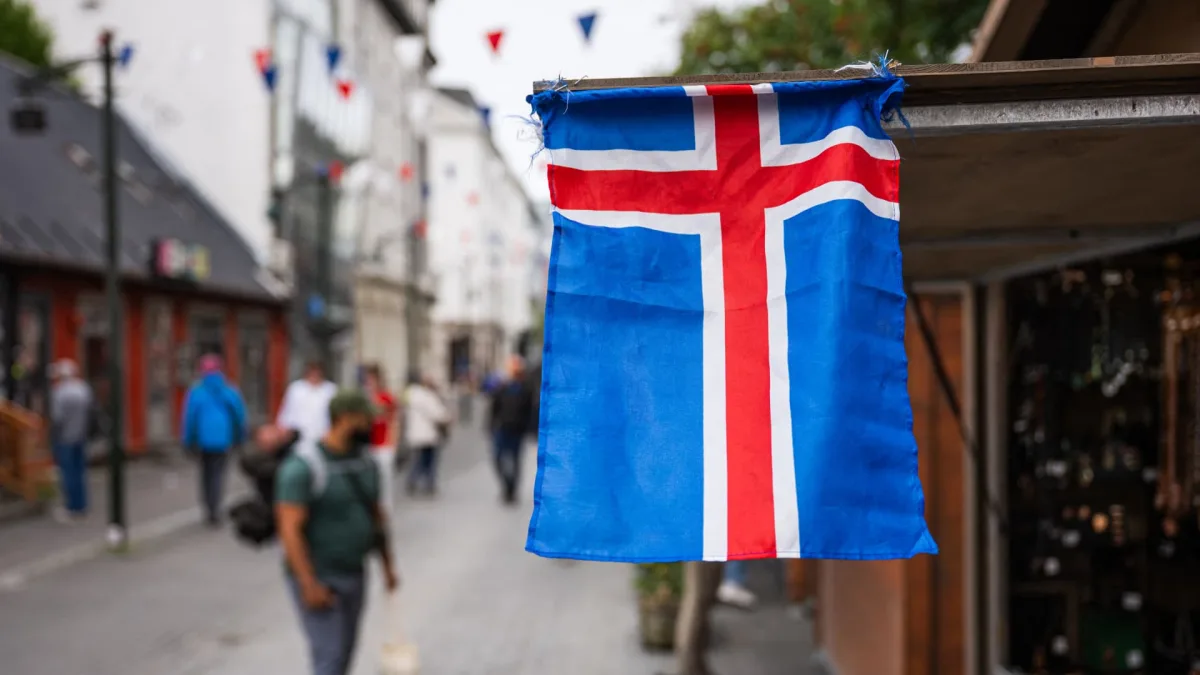
What is at stake in the vote?
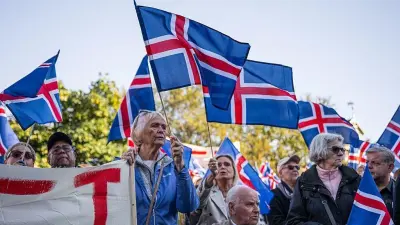
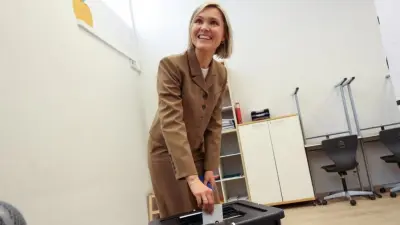
The Iceland EU referendum is seeking an advisory decision on whether accession talks with the European Union should be reopened in the country of about 400,000 people. Polls show voters almost evenly split. If the answer is yes, negotiations between Reykjavik and Brussels would resume, and any eventual agreement would later be put to a second referendum.
Iceland applied to join the EU in 2009 after the global financial crisis, but membership talks were suspended in 2013 when an anti-euro coalition government took office. This time, the debate is not only about foreign policy; it has moved directly onto the economic agenda through questions of currency, interest rates and sector policy.
Euro, krona and fishing dominate the economic debate
According to Jon Danielsson of the London School of Economics, one of the main issues for voters is whether the country can move away from volatility in its own currency and high interest rates by adopting the euro. As a result, financial markets are watching the vote not just as a political choice, but also as an important signal on Iceland’s long-term monetary policy direction.
At the same time, the fishing industry, which carries significant symbolic weight in the economy, remains one of the hardest files in any membership negotiation. Iceland has previously clashed sharply with EU member states over control of the sector, and any possible accession process will again focus attention on what terms Brussels might offer.
What are markets watching closely?
- How a possible euro adoption would affect the stability of the Icelandic krona and borrowing costs
- The bargaining space between national control of fishing and EU rules
- Iceland’s already high level of economic integration through the European Economic Area and Schengen membership
Security concerns add a new layer to the referendum
The backdrop to the vote also includes U.S. President Donald Trump’s persistent rhetoric on Greenland and the growing strategic importance of the Arctic region. Melting ice and the opening of seasonal sea routes, along with rising interest in critical minerals, have made the area more geopolitically sensitive.
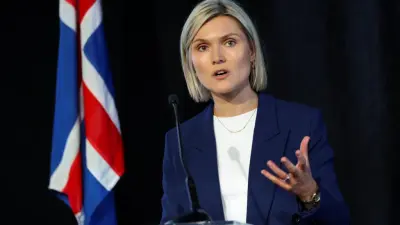
Foreign Minister Thorgerdur Gunnarsdottir said earlier this year that deeper dialogue and cooperation with the EU would be key to strengthening the country’s interests. Iceland, a founding member of NATO but without its own military, has seen some experts say that voters are also revisiting the validity of the bilateral defense arrangement with the U.S., in force since 1951.
Opponents of membership argue that the country already has close economic ties with the EU and that living standards remain high. Whatever the result, the referendum is expected to be felt not only in foreign policy, but also in the debates over the euro, interest rates and growth.
"""
Comments (0)
No comments yet. Be the first to comment.
Write a Comment
Yorum yazmak için giriş yapın. Üyelik ücretsiz; yorumunuz editör onayından sonra yayımlanır.