
Oil deal to be announced during U.S. minister's visit
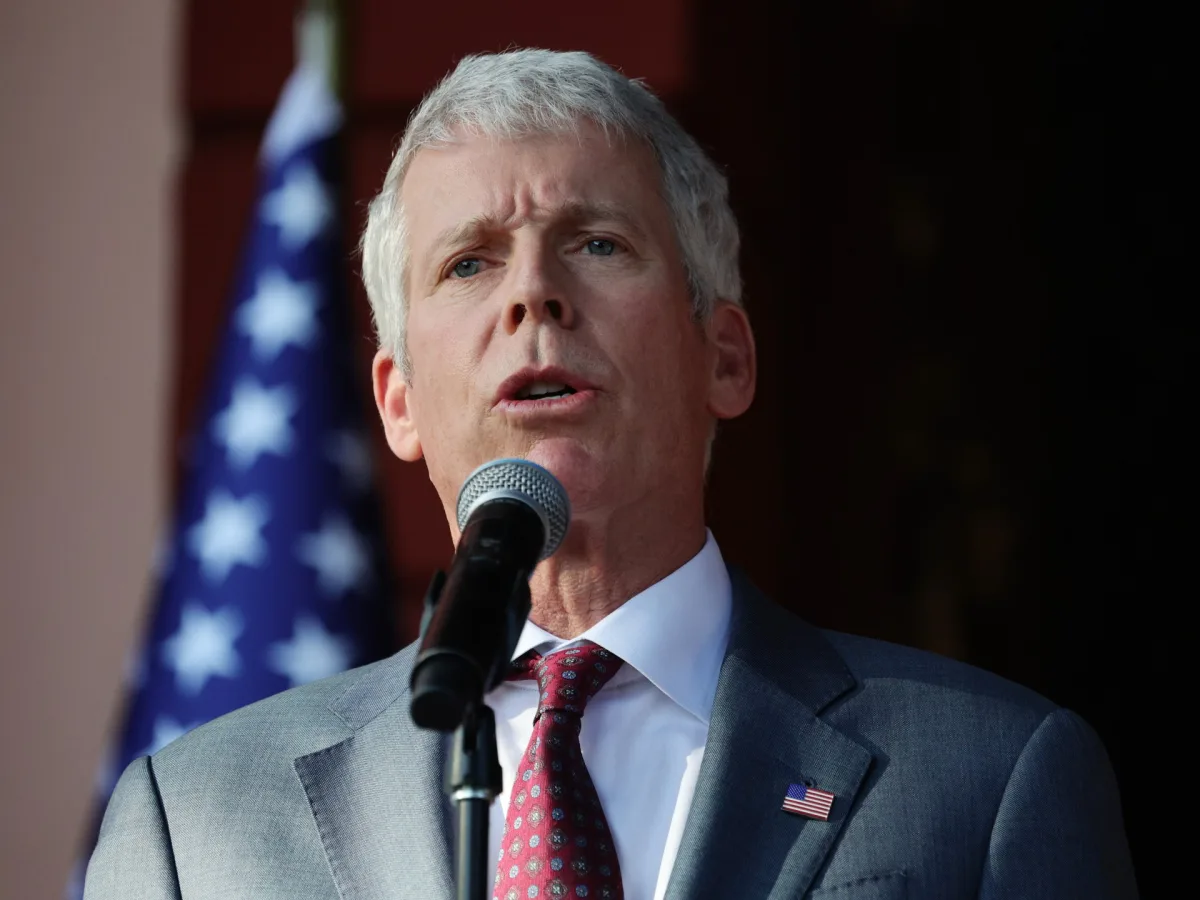
As part of the Venezuela oil deal, U.S. Energy Secretary Chris Wright is expected to travel to Venezuela on Tuesday. According to a U.S. official who spoke to reporters on condition of anonymity, the visit is planned to unveil the details of the energy arrangement backed by the Donald Trump administration.
According to the source, not all provisions of the agreement have been made public yet. Even so, the deal is expected to give the United States access to a portion of Venezuela’s proven oil reserves equivalent to about one-fifth, or 65 billion barrels.
Critics have compared the deal to arrangements imposed in the past by colonial powers, while the interim administration led by Delcy Rodriguez has defended it as an opportunity for the struggling economy. The U.S. official said the arrangement is also intended to secure a low-cost, steady supply of oil for Washington.
Parliament backs deal, opposition calls for full text
The Venezuela National Assembly backed the energy agreement between the two countries in a vote on Tuesday. Jorge Rodriguez, who heads the assembly, announced that the measure had been approved.
Some opposition lawmakers abstained from the vote. Their objections focused on the fact that the full text of the agreement has not yet been published; the opposition argued that the public should be able to see the details.
What are the key points of the deal?
- The United States is expected to enter into joint production with a private company at 17 major oil fields in Venezuela.
- According to reports in the press, the lease term for the fields is expected to be 100 years.
- The new company to be established is planned to give the U.S. Department of Defense a 35% stake.
- The U.S. State Department is also expected to be granted the right to buy 20% of the oil produced at cost.
Partnership structure and regional implications draw scrutiny
The White House confirmed on Monday that the United States will work with North American Blue Energy Partners (NABEP). The company is headed by Venezuelan businessman Alejandro Betancourt, who has been the subject of investigations in Spain and Switzerland over money-laundering allegations, though the U.S. official said he faces no charges in the United States.
The same official described the arrangement as a geopolitical opportunity for the United States in fields previously dominated by Chinese and Russian companies. The official also argued that democratic elections in Venezuela do not appear likely in the near term.
Meanwhile, energy company Chevron is also expected to sign a separate agreement on Wednesday to expand its operations in Venezuela. Venezuela’s energy sector, long battered by sanctions and criticism of mismanagement, is still said to be drawing a cautious investment approach from some international companies.
"""



Comments (0)
No comments yet. Be the first to comment.
Write a Comment