
The October 28 budget will focus on tax choices and debt costs
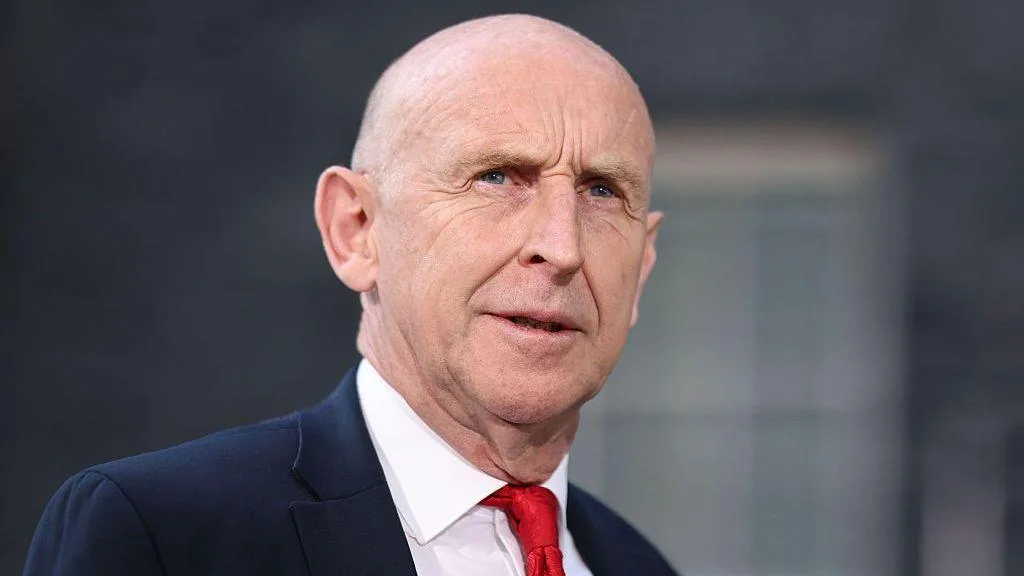
The UK budget will be presented in the House of Commons on October 28 by Finance Minister John Healey. As the government looks for new tax revenue amid rising borrowing costs and limited fiscal room, the Labour Party's pre-election pledge not to raise income tax, National Insurance or VAT is narrowing its room for manoeuvre.
Alongside the budget, the Treasury will publish details and costings of the measures. The Office for Budget Responsibility (OBR), which monitors the public finances, will also release fresh forecasts for the economic outlook; the report is closely watched by bond markets and the pound.
What do the fiscal rules and shrinking budget room mean?
The government has said it will stick to two main fiscal rules:
- Not to fund day-to-day public spending through borrowing by the end of this parliamentary term
- To have public debt falling as a share of national income by the end of the same period
In March, the OBR estimated that the first rule could be met with a £23.6 billion buffer. But KPMG analysts say that room may have shrunk to as little as £12 billion because borrowing costs have risen during the year.
One option on the table is for Healey to accept a smaller fiscal buffer, limiting the need for tax increases. Even so, a weaker buffer could affect market confidence in fiscal discipline, so the size of the numbers matters as much as the tone of the budget.
Tax measures in focus and the items markets will watch
One of the most widely discussed subjects in Westminster is capital gains tax, levied on profits from the sale of assets. An increase in the rate or changes to exemptions could be on the table. Another focus is expectations that the higher-value council tax surcharge, due to come into force in England in April 2028 for homes worth more than £2 million, could be extended to properties worth over £1.5 million.
Calls for higher taxes on the sector have grown after banks reported strong profits, while banks argue such moves could weaken growth and the country's competitiveness. It is also a key question whether fuel duty, frozen since March 2022, will be extended beyond year-end, a decision with major implications for both inflation and household budgets.
Housing support and the wider economic outlook
The budget is also expected to set out details of Your First Home, a programme for first-time buyers in England. The plan would offer a way to buy a newly built home with a 2.5% deposit, as well as credit support worth up to 20% of the property's value.
The economy grew by 0.6% in the first three months of the year and by 0.4% in the April-June period, while July data also beat expectations at 0.4%. Analysts say the conflict involving the US and Israel with Iran has disrupted oil and gas trade through the Strait of Hormuz, pushing up energy and fuel prices and potentially adding pressure on households and businesses in the months ahead.
Annual inflation rose to 3.1% in August, while the Bank of England left interest rates unchanged at 3.75% in September for a sixth consecutive meeting. The central bank said further rate hikes could return to the agenda if high energy prices prove persistent; for that reason, budget decisions are now in focus not only for their tax impact but also for their implications for growth and financing conditions.
"""





Comments (0)
No comments yet. Be the first to comment.
Write a Comment
Yorum yazmak için giriş yapın. Üyelik ücretsiz; yorumunuz editör onayından sonra yayımlanır.