
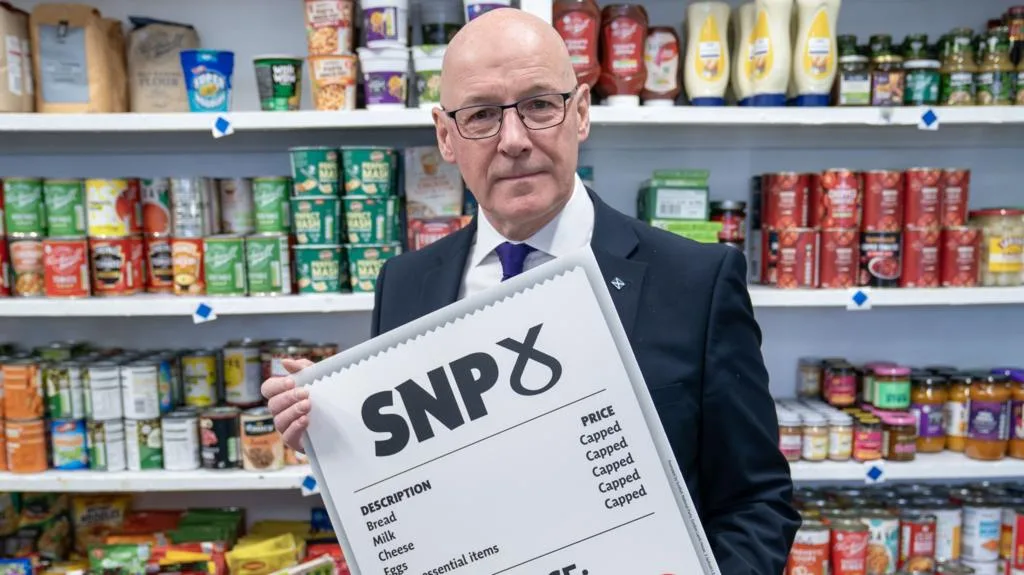
23 organisations urge government to drop the plan
The food price cap proposal has reignited debate in Scotland after objections from organisations representing the retail and food industries. In a joint letter sent to John Swinney, who is due to set out the government programme on Tuesday, the signatories argued that imposing a legal ceiling on some food and drink products would not relieve price pressures and could create new problems in the market.
The 23 organisations that signed the letter included the Scottish Retail Consortium, Food and Drink Federation Scotland, Scottish Bakers and Dairy UK. They represent businesses operating in retail, food and drink manufacturing, manufacturing and distribution.
Which products would the plan cover?
The SNP pledged in its election manifesto to force major supermarkets to cap prices on essential items such as milk, eggs, cheese and rice. The government argues the approach would help make weekly shopping more affordable for households struggling with the rising cost of living.
Companies warn of cost pressures and supply risks
Business representatives say the root causes of high food prices go deeper than a cap on products. In the joint letter, they said the main drivers of price increases include:
- Rising production costs
- Refrigeration and storage expenses
- Distribution and logistics costs
Industry groups say a legal cap would not remove these pressures, but would instead shift costs elsewhere in the system. Critics also warned the policy could lead to shortages on shelves, push cheaper imported goods to the fore and increase tensions between retailers and consumers.
Competition risks for small shops
According to the organisations, the proposal could also put smaller stores not covered by the rules under pressure. They said a cap applied to major supermarkets could weaken the price competitiveness of smaller businesses and ultimately raise the total cost of the shopping basket.
Legal framework and the government’s next move
It is understood that implementing the plan may require changes to the 2020 United Kingdom Internal Market Act, which was designed to prevent trade barriers within the UK after Brexit. That suggests the proposal faces not only economic but also legal controversy.
The Scottish Government said tackling the cost of living remains one of its most important priorities. A government spokesperson said they welcomed engagement with retailers, food producers and farmers, and that a consultation would be launched shortly to gather wider views on the proposal.
"""





Comments (0)
No comments yet. Be the first to comment.
Write a Comment
Yorum yazmak için giriş yapın. Üyelik ücretsiz; yorumunuz editör onayından sonra yayımlanır.