
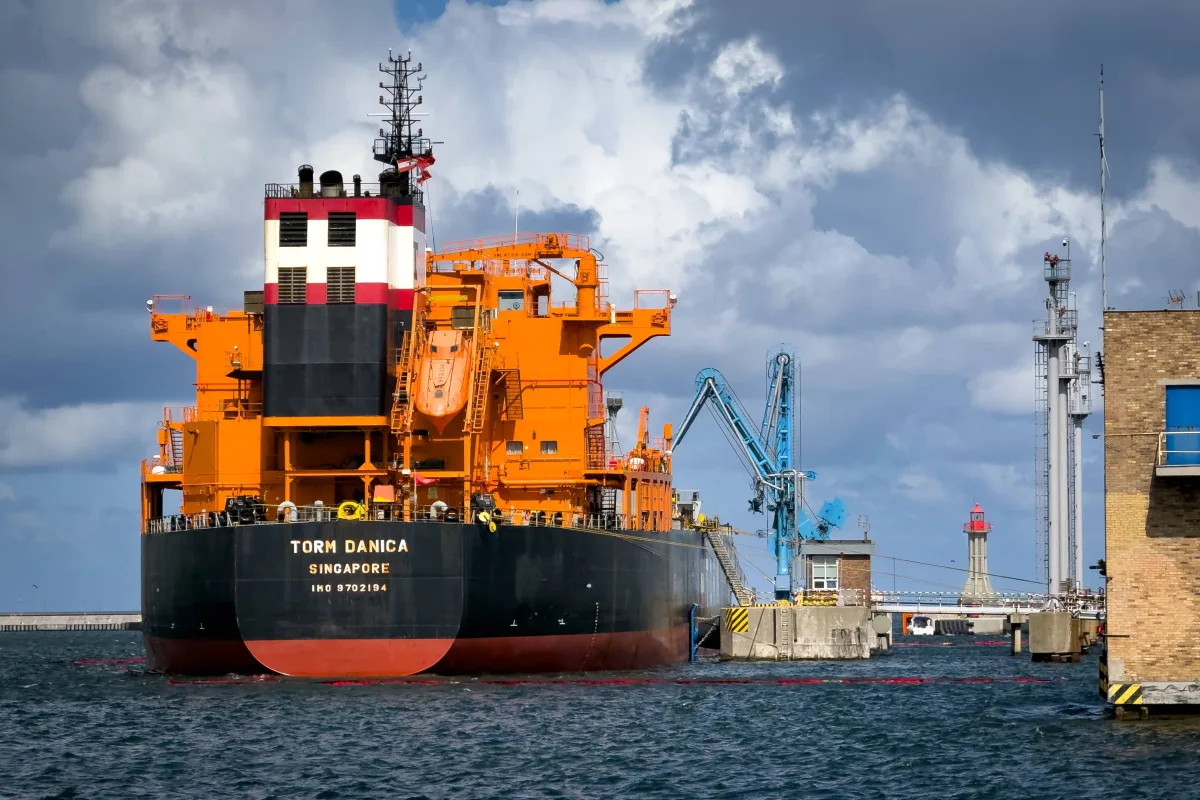
Recovery in the Strait of Hormuz has eased pressure on crude oil
Goldman Sachs said the renewed acceleration in oil flows through the Strait of Hormuz has created a more limited upside risk for oil prices than expected. According to a note cited by Bloomberg, the bank links crude oil's rise above $120 per barrel in April and its subsequent drop to around $89, followed by a move toward $83, largely to that recovery.
The Strait of Hormuz stands out as one of the world's most critical chokepoints, carrying about one-third of all seaborne oil. During the escalation in the Iran conflict, shipments fell sharply, and Goldman estimates that total crude oil and petroleum product exports passing through the strait dropped to about 5-6 million barrels per day in March. Before the conflict, that volume was around 22-24 million barrels per day.
How far have flows recovered?
Recovery has continued gradually since March. In the latest reading, total flows are said to have risen to about 15-16 million barrels per day, still 7-8 million barrels below pre-war levels. Market sources say crude oil alone is now moving through the strait at 6-8 million barrels per day.
Goldman also stressed that producers and shippers have adapted to conflict conditions. Dark shipping, in which vessels switch off satellite transmitters, and an increase in ship-to-ship transfers show that oil continues to move, even if it has become harder to track.
Risks remain higher for gas and refined products
The bank's more cautious outlook for crude does not apply across the entire energy market. LNG and refined fuel flows through Hormuz remain lower than those for crude, creating a more fragile picture especially for European natural gas and products such as diesel, jet fuel and gasoline.
Why is European gas more exposed?
Europe's heavy reliance on imported liquefied natural gas and its limited spare capacity to offset prolonged supply shortfalls make the region more vulnerable. In refined products, logistics networks and refinery configurations cannot adjust to alternative shipping methods used for crude oil to the same extent.
- Supply tightness risks are seen as higher for European natural gas.
- In refined fuels, supply chain disruptions can trigger different price moves than in crude oil.
What are markets watching on inflation and growth?
The retreat in crude oil matters for more than just energy companies. According to the Boston Fed, the personal consumption expenditures price index rose from 2.9% in February to 3.8% in April, driven mainly by the jump in energy prices. A lasting easing in oil prices could reverse a significant share of that inflation pressure.
Chicago Fed modeling suggests that an oil shock in 2026 could subtract 81 to 166 basis points from economic growth. The San Francisco Fed also cut its short-term growth forecasts after April's oil surge, citing the impact of higher energy costs on household income and consumption.
For that reason, investors are focusing more on physical flow data than on day-to-day price swings. The main indicators being watched are:
- Daily export volumes through the Strait of Hormuz
- Tanker-tracking data and the intensity of ship-to-ship transfers
- The direction of LNG shipments
If Goldman Sachs's assessment holds, energy-driven inflation pressure could ease for the rest of 2026, which may also reduce pressure on the Federal Reserve to keep raising interest rates. However, another drop in tanker traffic, damage to infrastructure or an expansion of the conflict remain among the main risks that could push prices back toward their spring highs.
"""





Comments (0)
No comments yet. Be the first to comment.
Write a Comment
Yorum yazmak için giriş yapın. Üyelik ücretsiz; yorumunuz editör onayından sonra yayımlanır.