
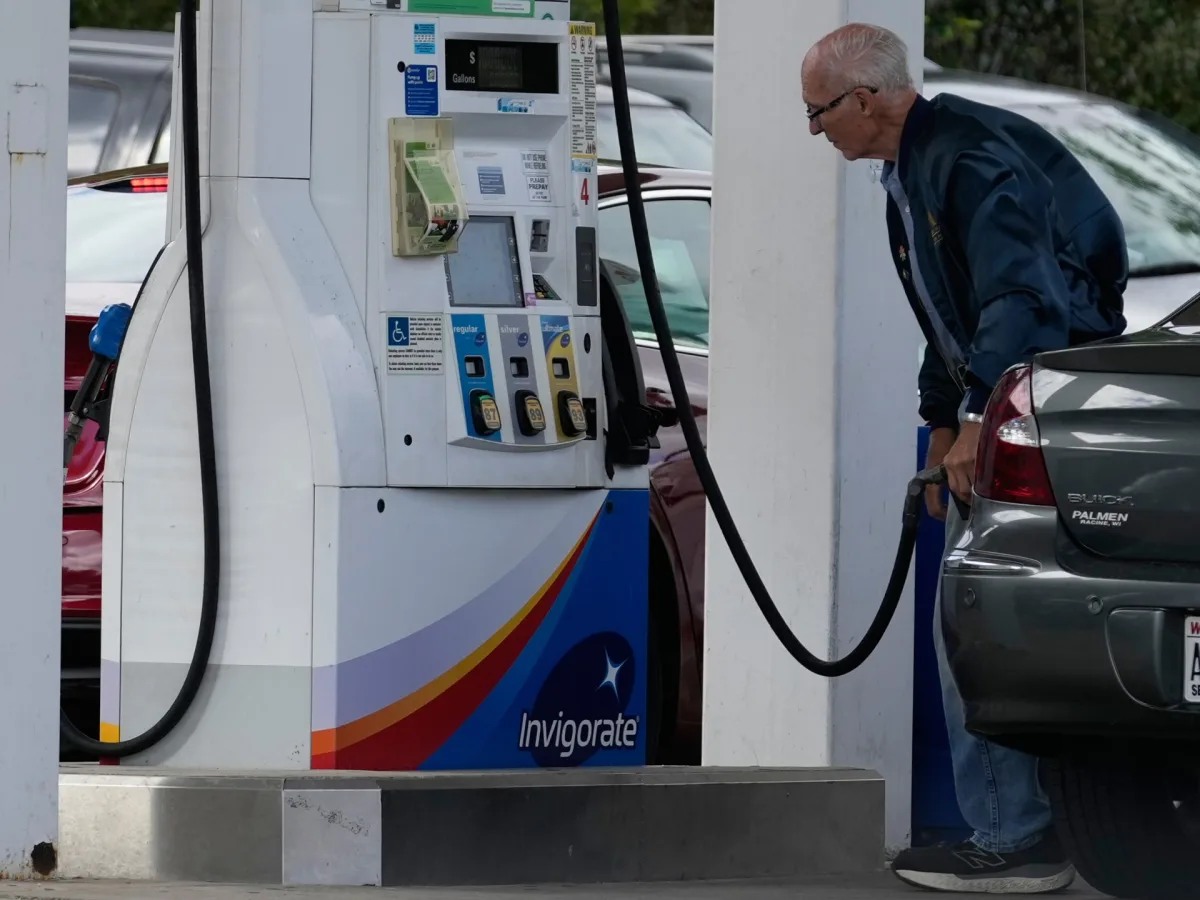
What target will the new standards change?
U.S. President Donald Trump said in a social media post that fuel economy standards will be rolled back from the framework adopted during the Biden administration. Trump argued that the move will lower car prices and encourage manufacturers to produce more inside the United States.
At the center of the change is the Corporate Average Fuel Economy (CAFE) system, created by the U.S. Congress in 1975. The system requires manufacturers to meet a set average fuel-efficiency level across the passenger vehicles and light trucks they sell.
How does the CAFE system affect manufacturers?
The rules affect brands' overall sales mix more than individual models. A manufacturer that sells a more fuel-hungry vehicle must also offer more efficient models to balance its fleet average.
- Low-consumption vehicles help companies meet their average target.
- As the share of high-consumption models rises, manufacturers have to offset them with other vehicles.
Biden-era targets and Trump's proposal
Under the rules finalized by Joe Biden's administration in 2024, the average fuel economy across the fleet was set to rise from 39.1 mpg to about 50.4 mpg by 2031. At the time, the administration said the increase would reduce both fuel consumption and emissions, while also saving drivers money on gasoline.
Trump, in a proposal announced in December 2025, had floated lowering the industry average for light-duty vehicles to about 34.5 mpg in 2031. That level is more than 30% below the target set under Biden.
Why has the electric vehicle debate returned?
Trump and Republicans have long described tighter efficiency rules as a policy that pushes consumers toward electric vehicles. But there is no federal law or regulation that forces Americans to buy electric cars or bans the sale of gasoline-powered vehicles.
Possible consequences for the auto industry
Because of the Biden-era standards, automakers had increased electric vehicle production to make compliance easier. Meanwhile, Congress, controlled by Republicans, significantly pared back consumer tax incentives for electric vehicles last year as part of Trump's One Big Beautiful Bill Act.
Trump has not yet released details of the new standards. U.S. Transportation Secretary Sean Duffy said the announcement will be made on Monday.
"""




Comments (0)
No comments yet. Be the first to comment.
Write a Comment
Yorum yazmak için giriş yapın. Üyelik ücretsiz; yorumunuz editör onayından sonra yayımlanır.