

What does the new rule change in retail?
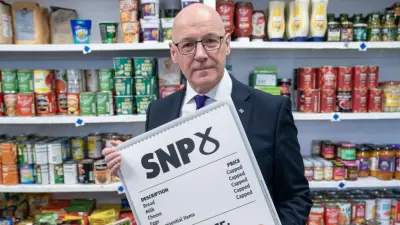
Under Scotland’s supermarket rules, businesses with more than 50 employees can no longer place certain packaged foods high in fat, sugar and salt in prominent spots such as entrances, checkouts, aisle ends and queueing areas. The rules apply not only to supermarkets, but also to high street stores, restaurants, pharmacies, petrol stations and garden centres.
The restrictions affect not only shelf placement but also in-store and online sales tactics. Promotions such as “3 for 2,” “3 items for £10” or “buy 5, save 20%” can no longer be used, and similar offers tied to loyalty points are also included in the ban.
Which products are covered?
Sugar, fat and salt levels will determine the limits
The rules cover products such as chocolate, crisps, biscuits and ice cream, as well as some breakfast cereals, granola, muesli and sugary drinks. Depending on their sugar content, products such as kombucha, seaweed snacks and chewing gum can also fall on the restricted list.
- Soft drinks with added sugar, energy drinks, ready-to-drink coffees and hot chocolate
- Breakfast cereals, cereal bars, biscuits, doughnuts and Danish pastries
- Ready pizzas, nuggets, fish fingers, potato products and some ready meals
Which promotions are still allowed?
Half-price sales or single-item discounts such as “£1 off” can continue. However, the practice of giving away a high-sugar, high-fat or high-salt product free with another item has also been banned; for example, handing out free chocolate with a newspaper falls under the rule.
On the other hand, meal deals and “dinner for two” offers are exempt from the regulation. Even so, the products included in those offers cannot be displayed in banned locations such as store entrances.
Market impact and the UK picture
The new framework means retailers will need to rework their promotion budgets and in-store layouts. Online, restrictions on advertising certain foods on homepages could also affect sales strategies and the use of digital channels.
Similar restrictions are already in force in England and Wales. In England, the ban on price promotions and multibuy offers for unhealthy food and drink took effect in October 2025, while Wales introduced its rules in March.
The Scottish government says the move is intended to encourage healthier eating choices. Public Health Minister Maree Todd said two in three adults in Scotland are overweight or obese, and stressed that prominent displays and promotions can increase impulse buying.





Comments (0)
No comments yet. Be the first to comment.
Write a Comment
Yorum yazmak için giriş yapın. Üyelik ücretsiz; yorumunuz editör onayından sonra yayımlanır.