
What does the ruling mean?
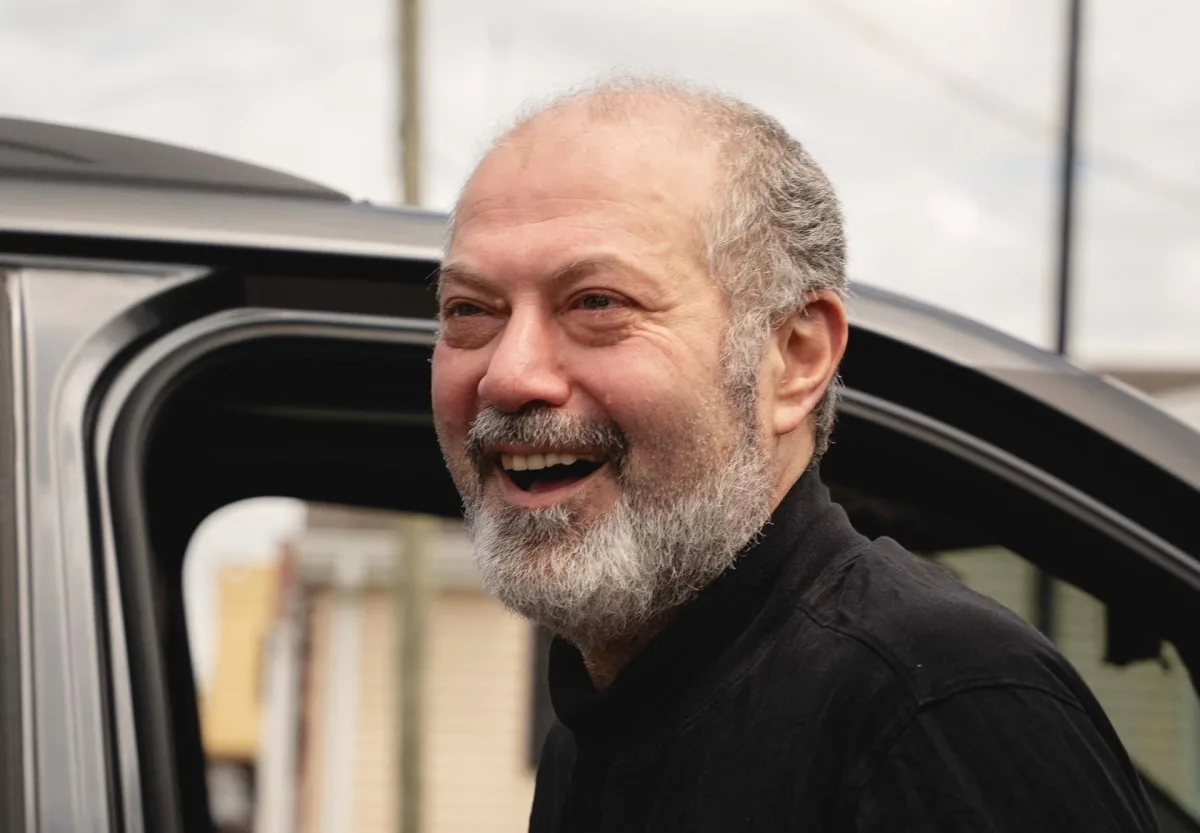
A U.S. immigration judge has ruled that a deportation order can be enforced against Salah Sarsour. A government memo based on foreign-policy grounds was decisive in the case involving Sarsour, who was born in Palestine and serves as president of the Islamic Society of Milwaukee, which is affiliated with one of Wisconsin’s largest mosques.
Judge Jayme Salinardi’s ruling on Wednesday does not mean Sarsour will be removed from the country immediately. His defense team can file a new petition within 60 days, arguing that he would face a risk of torture if sent back; if the outcome is unfavorable, they are expected to appeal.
What arguments were central to the case?
According to lawyers, the ruling was based on a memo from U.S. Secretary of State Marco Rubio stating that Sarsour’s actions undermined the United States’ policy of fighting antisemitism around the world. The Trump administration had previously used this rarely invoked legal provision, dated June 2025, against pro-Palestinian activists Mahmoud Khalil and Mohsen Mahdawi.
Sarsour’s lawyers argued that the court relied too heavily on the memo. According to the defense, the judge concluded that, because of an earlier ruling in the Khalil case, the court’s ability to examine in detail the evidence underlying the secretary’s assessment was limited.
The government did not win on every claim
The government did not prevail on every point. The court rejected the allegation that Sarsour lied on his green card application; according to his lawyers, the accusation that he falsely presented himself as a U.S. citizen in order to vote was also dismissed.
- The ruling allows deportation proceedings to continue.
- Some additional allegations were rejected by the court.
Detention history and possible destinations
ICE officers detained Sarsour in Milwaukee in March. In June, a federal judge ordered his release after 81 days in custody, saying there was a strong case that the administration may have retaliated against him over his public statements on Palestinian rights.
The Trump administration, however, says old conviction records from Israel support its claim that he poses a security threat. Sarsour denies the allegations, while his lawyers argue that the confessions were obtained under torture and that the Israeli records presented by ICE are incomplete.
Where could he be deported?
Sarsour’s defense team says sending him to the occupied West Bank would create a serious risk. The judge also mentioned Jordan as a possible destination, but his lawyers say Sarsour is not a Jordanian citizen and has no right to live there.
"""





Comments (0)
No comments yet. Be the first to comment.
Write a Comment
Yorum yazmak için giriş yapın. Üyelik ücretsiz; yorumunuz editör onayından sonra yayımlanır.