
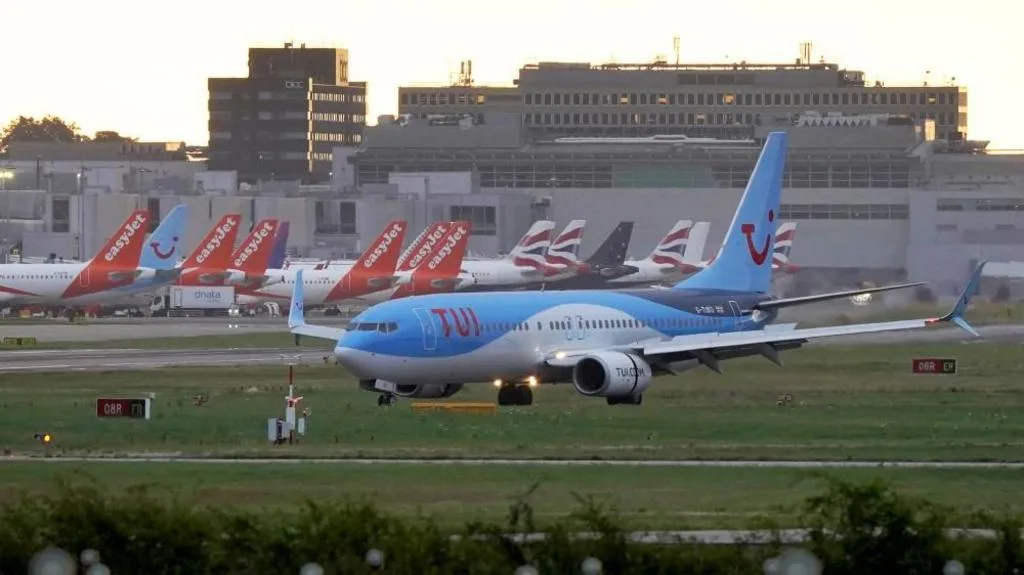
Gatwick Airport experienced a disruption to its water supply after a burst in a main water line in a nearby field. The outage affected services in both the airport’s North and South terminals, while airport management said flights throughout the day continued as planned.
Water company SES Water said the fault was identified in the Horley area and that the network began being brought back online after the intervention. The company said water pressure was gradually returning, but that full flow had not immediately been restored across all airport buildings.
From an operational standpoint, the outage caused disruptions mainly to passenger services inside the terminals. Toilets in the North Terminal were temporarily closed, while most toilets in the South Terminal reportedly remained open. Food and beverage outlets in the North Terminal were used as seating areas for a time before hot food service resumed.
Airport management said the full-day flight schedule was maintained despite the water shortage and that there was no general disruption to departures. This pointed to an impact on passenger experience, terminal spending areas and service flow rather than on air traffic itself.
SES Water said it restored supply not only to Gatwick but also to surrounding areas by rerouting the network through alternative lines. Officials said coordination with the airport was continuing and work was under way to resolve the remaining technical issues.
The outage came after both terminals were left without water for hours in July because of an electrical fault at a treatment plant in the area. That incident also led to long queues at toilets and closures at some restaurants and bars. Back-to-back disruptions have once again highlighted the importance of infrastructure resilience at major transport hubs for passenger services and commercial operations.
Flights continued, but terminal revenue faced pressure
The fact that flights were not affected prevented a larger operational loss for air traffic in the short term. However, limits on toilet access, food and beverage service, and use of waiting areas created a picture that could place temporary pressure on retail and service revenues inside the airport.





Comments (0)
No comments yet. Be the first to comment.
Write a Comment
Yorum yazmak için giriş yapın. Üyelik ücretsiz; yorumunuz editör onayından sonra yayımlanır.