

What did the IAEA report flag as a concern?
The International Atomic Energy Agency (IAEA) said in its latest quarterly report that the lack of inspections at Iran’s nuclear facilities must be addressed urgently. In the report seen by news agencies on Tuesday, the agency said its inability to obtain information on nuclear material and gain access to sites is a serious proliferation concern.
Rafael Grossi stressed that years of problems on these issues must be resolved through a lasting and verifiable diplomatic agreement. The agency’s latest assessment is expected to be discussed at the board meeting between September 21-25.
Why does the Isfahan facility stand out?
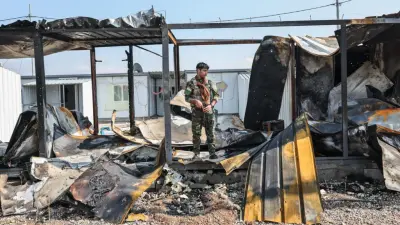
The report paid particular attention to the Isfahan facility. The site has been targeted multiple times by the U.S. and Israel over the past year, and the IAEA says it still does not have access to verify the nuclear material and related infrastructure there.
Another concern for the agency is enriched uranium stockpiles. U.S. President Donald Trump claimed last year that the facilities had been destroyed and that Tehran’s nuclear program had suffered a severe blow. However, the location of Iran’s enriched uranium has not yet been verified.
- Access needed for verification at the Isfahan site has not been granted.
- The agency does not have enough information on the current status and location of the nuclear material.
What conditions is Tehran putting on inspections?
Iranian officials argue that inspections at facilities hit in military attacks can only take place under a special arrangement. Mohammad Eslami, head of the Atomic Energy Organization of Iran, said on August 26 that the agency cannot request inspections without developing specific criteria and protocols for sites that have come under military attack.
Tehran suspended cooperation with the IAEA after U.S. and Israeli strikes in June 2025, including attacks on nuclear sites. Iran later said it would allow the agency’s inspectors to return in September 2025, but access to the bombed facilities has still not been opened.
What lies behind the nuclear program dispute?
Iran reiterates that its nuclear program is not intended for military purposes and defends its right to use the technology for civilian purposes. The IAEA, by contrast, has previously said in its reports that Iran’s uranium enrichment levels are well above civilian needs, though still below weapons-grade.
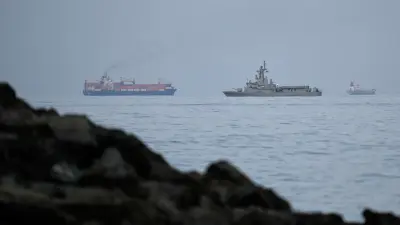
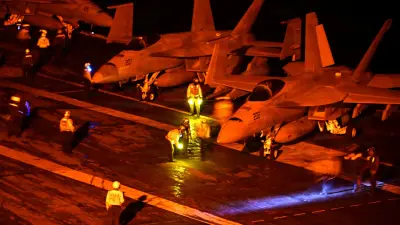
The U.S. said in March that it launched the war to prevent Iran from obtaining nuclear weapons. During the conflict, however, assessments suggested Tehran managed to shift the focus to control of the strategically vital Strait of Hormuz.


Comments (0)
No comments yet. Be the first to comment.
Write a Comment
Yorum yazmak için giriş yapın. Üyelik ücretsiz; yorumunuz editör onayından sonra yayımlanır.