
New step in the Cornell investigation
The Cornell rape investigation has entered a new phase after New York Governor Kathy Hochul stepped in. Hochul said the woman identified in court filings as Jane Doe, who alleges she was drugged and raped by multiple men at a fraternity house near Cornell University in 2024, had not been adequately protected by institutions throughout the process.
The case had already been reviewed before, but no criminal charges were brought. It returned to the spotlight after the woman filed a civil lawsuit against Cornell University last month and drew national attention.
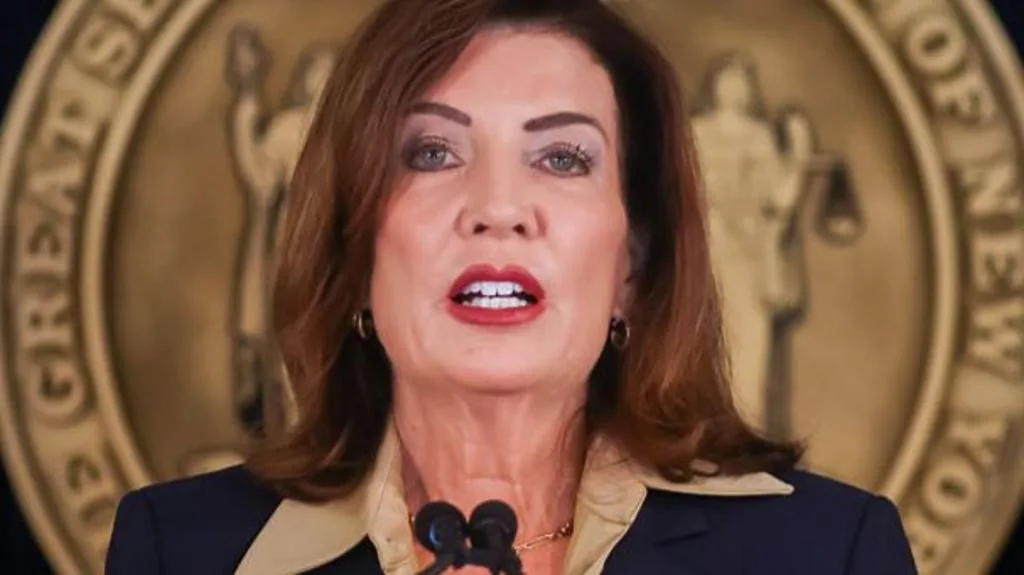
At a news conference on Friday, Hochul said she was troubled by the way the local prosecutor handled the investigation and placed New York Attorney General Letitia James in charge of the case. The governor also said she had lost confidence that the local district attorney would handle the matter properly.
Dispute over information between local prosecutors and the university
Attorney General James said her office would hear witnesses and pursue charges if warranted. She said the process would be guided by “facts and the law.”
District Attorney Matthew Van Houten, who previously handled the investigation, defended the decision not to bring charges by saying there was not enough evidence to meet the legal threshold. Van Houten also claimed that much of the information that surfaced publicly in recent weeks had not been shared with his office.
Cornell University said it had shared with prosecutors the evidence it gathered in its own internal review. Among the information the university provided was a Snapchat group chat in which fraternity members reportedly discussed a “free” sexual encounter with Jane Doe on the night of the assault.
- Jane Doe filed her civil lawsuit against the university in September.
- Her lawyer, Thomas Giuffra, said his client has had a difficult time after attempts were made to expose her identity on social media.
New York law change could be debated
Hochul also said she would support closing a loophole in state law, as she described it, alongside the investigation. Under the current rules, it can be harder to bring charges in sexual assault cases if a person voluntarily took alcohol or drugs, even if they were too impaired to consent.
Could come up in January
The bill, first introduced in 2019 by State Assembly member Jeffrey Dinowitz, was already on the legislative agenda before public outrage intensified, according to the report. Hochul said the proposal could advance in the next legislative session in January, and that she could call lawmakers back for a special session sooner if needed.
Victims' rights advocates say New York's current framework makes it harder for people who became intoxicated voluntarily but could not consent to seek justice. According to Dinowitz, about half of U.S. states have removed the distinction between voluntary and involuntary intoxication in this area.
"""




Comments (0)
No comments yet. Be the first to comment.
Write a Comment
Yorum yazmak için giriş yapın. Üyelik ücretsiz; yorumunuz editör onayından sonra yayımlanır.