
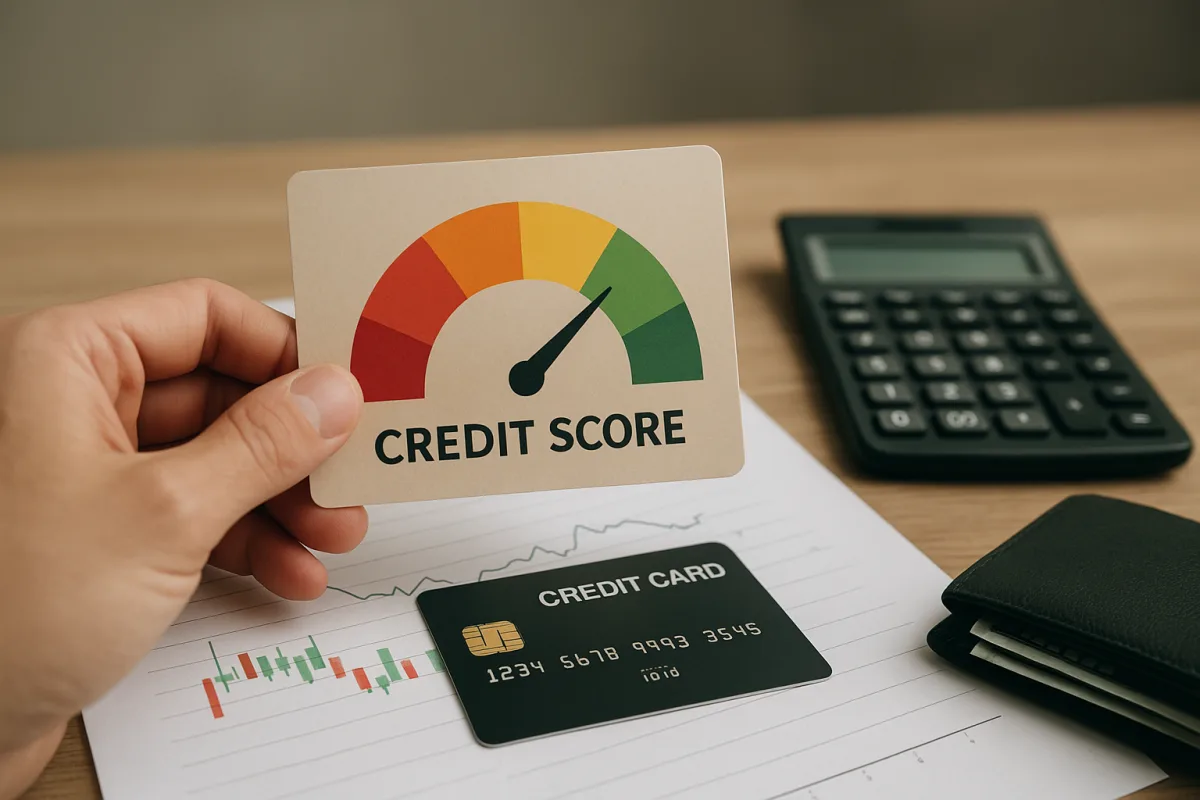
What information affects a credit score?
A credit score is a broad indicator that measures how a person handles financial obligations alongside their borrowing and repayment habits. Rather than a single transaction, the main basis of this picture is the person’s financial history over time.
When assessing an application, banks and financial institutions generally look at payment consistency, current debt levels, credit card usage patterns and the number of recent applications. In Turkey, one tool consumers use to monitor this profile is Findeks reports; however, the score is based not on one data point but on the overall pattern of behavior.
Key factors in the assessment
- Paying credit card and loan installments on time
- Keeping existing debt at a level that matches income and remains manageable
- Not constantly using credit limits up to the maximum
- Making multiple new loan or card applications in a short period
- Maintaining a stable and regular repayment habit over the long term
What mistakes can lower the score?
A credit score is most often pressured by late payments. Repeatedly postponing minimum payments, missing installments or settling debts after the due date can increase the perceived risk.
Another common mistake is consistently using a high share of a credit card limit. This can signal possible strain in cash flow, regardless of income, and is counted among the mistakes that lower a score.
Most common errors
- Applying to several banks for credit at the same time
- Trying to revolve credit card debt by paying only the minimum amount
- Taking on new debt without clearing existing obligations
- Missing due dates without automatic payment instructions
- Leaving unused accounts and cards open without control
What should you watch to protect your credit score?
The most basic step toward a healthy profile is managing debt in a regular and trackable way. Not missing payment dates, keeping total debt aligned with income and avoiding unnecessary applications can create a more stable picture over time.
A practical approach to everyday finances
- Create a monthly payment calendar to reduce the risk of delays
- Use credit cards in a controlled way instead of spending up to the full limit
- Review any new borrowing need with a budget plan before applying
- Check your report regularly to spot potential issues early
In short, a credit score is less an instant result than a reflection of consistent financial behavior. That is why even small everyday choices can have a clear impact over time.
"""





Comments (0)
No comments yet. Be the first to comment.
Write a Comment
Yorum yazmak için giriş yapın. Üyelik ücretsiz; yorumunuz editör onayından sonra yayımlanır.