
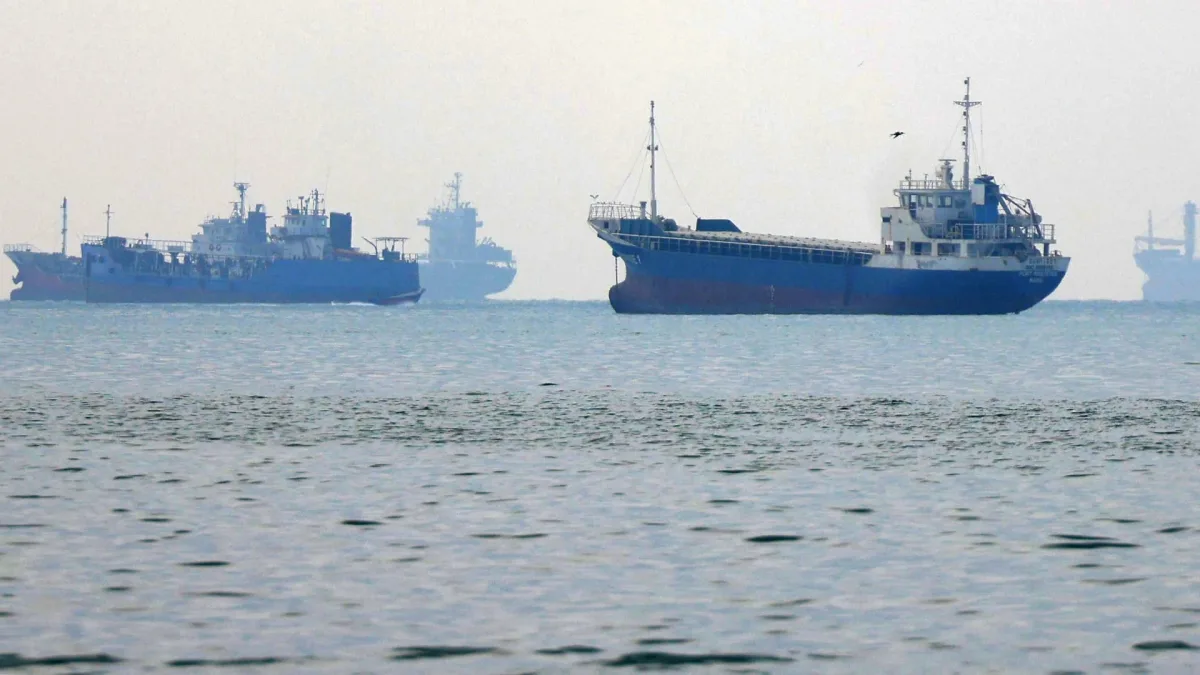
Crude shipments hit a pre-war threshold
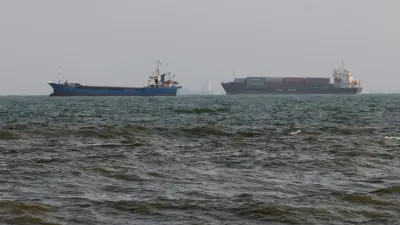
Crude oil moving through the Strait of Hormuz has returned to pre-war volumes, helped by U.S. military escorts and the use of alternative pipelines. According to Kpler, which tracks tankers and global trade flows, the seven-day average of crude transiting the strait stood at 13.5 million barrels a day as of Monday, matching normal pre-war flows.
The same data set showed that crude shipments leaving the Middle East, including the Persian Gulf and the Red Sea, rose to 19.5 million barrels a day, above the roughly 17 million barrels a day seen before the war. Matt Smith, who heads commodity research at Kpler, said the strong volumes through the strait suggest Iran's de facto leverage over Hormuz is weakening.
Refined product shortages deepen the global fuel squeeze
The recovery in crude has not extended across the full energy supply chain. JPMorgan said crude markets have largely normalized, but supply of refined products remains under pressure.
- Refined product shipments through Hormuz were still averaging 677,000 barrels a day over the seven-day period ending Monday.
- Before the war, flows in the same category were about 3.6 million barrels a day.
- Total crude and product shipments reached 14.2 million barrels a day, about 80% of the pre-war level of 17 million barrels a day.
The tightening in product supply from the Middle East, combined with Ukrainian attacks on Russian refineries, has widened the gap in global fuel markets. US diesel prices have hit record highs, raising risks for the economy, while President Donald Trump is said to be weighing an export ban under political pressure.
Military protection and pipelines are supporting flows
Although shipment volumes have recovered, security conditions remain far from pre-war norms. As Iranian attacks on tankers continue, more than 70% of the crude passing through Hormuz in August was moved by ship-to-ship transfers off the coasts of the United Arab Emirates or Oman. This shuttle-tanker system, under U.S. military protection, helps reduce the risk of shipments coming under attack.
The region's second stabilizing factor has been the pipelines operated by Saudi Arabia and the UAE. According to Kpler, roughly 40% of Gulf crude is now transported through these lines, bypassing Hormuz, compared with 17% before the war.
But these alternatives also appear fragile. Saudi Arabia shut the East-West pipeline earlier this month after it was damaged in a drone attack launched from Iraq; a pickup in loadings at the Red Sea port of Yanbu signaled that the line has resumed operations. Analysts warn that if the diplomatic deadlock continues, new disruptions to regional oil supply could again come back onto the agenda.


Comments (0)
No comments yet. Be the first to comment.
Write a Comment
Yorum yazmak için giriş yapın. Üyelik ücretsiz; yorumunuz editör onayından sonra yayımlanır.