
A warning for the U.S., a missed threshold for Europe
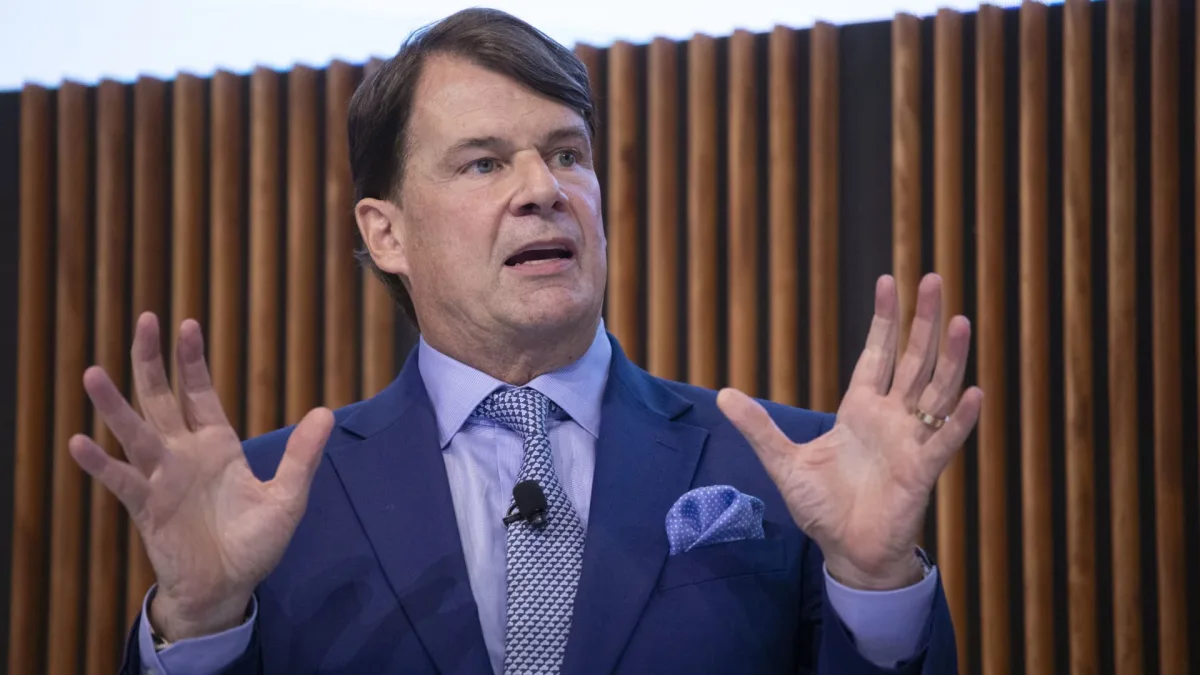
Arguing that the U.S. should draw lessons from Europe on Chinese automakers, Ford Motor CEO Jim Farley said at the Automotive News Congress in Detroit that it is now “too late” for Europe, but that the same point has not yet been reached in the American market.
Farley’s comments come at a time when political debate in the U.S. over allowing Chinese brands into the market is accelerating. The remarks have implications not only for trade policy, but also for price competition, manufacturing investment and supply-chain decisions.
What do the market-share figures show?
According to GlobalData, Chinese brands’ global market share rose by about 70% between 2020 and 2025. Germany-based Dataforce said the share of Chinese brands in Europe, which was near zero in 2020, reached 12% in August.
- Globally, Chinese brands posted strong growth in market share over five years.
- Reaching 12% in Europe in a short time has increased competitive pressure on regional automakers.
This picture is creating a new pressure point for automakers operating in Europe, especially in terms of pricing and capacity utilization. Ford is also trying to compete with the growing presence of Chinese brands in Europe while taking an openness to cooperation in some areas.
Ford’s strategy combines competition and partnership
Farley said Ford could partner with Chinese companies in areas where it does not own intellectual property and in regions such as Europe and Southeast Asia, where capital efficiency is a priority. In July, the company announced a new production joint venture with Chinese automaker Geely, targeting electric-vehicle production from early next year at a Ford-owned plant in Spain.
At the same time, Ford is also preparing to go head-to-head with Chinese rivals. Farley said the company is getting ready to launch its “universal electric vehicle” program, which will begin with a pickup model next year.
On the U.S. side, political pressure is rising. The Trump administration sent a letter earlier this month expressing deep concerns about Ford’s ties to Chinese companies, while Ford argued that it is the country’s largest automaker by production and leads the industry in hourly-paid employees. Following last week’s meeting between Chinese President Xi Jinping and U.S. President Donald Trump, lawmakers are still considering bills that could restrict or permanently block Chinese automotive brands from entering the U.S. market.
"""




Comments (0)
No comments yet. Be the first to comment.
Write a Comment
Yorum yazmak için giriş yapın. Üyelik ücretsiz; yorumunuz editör onayından sonra yayımlanır.