
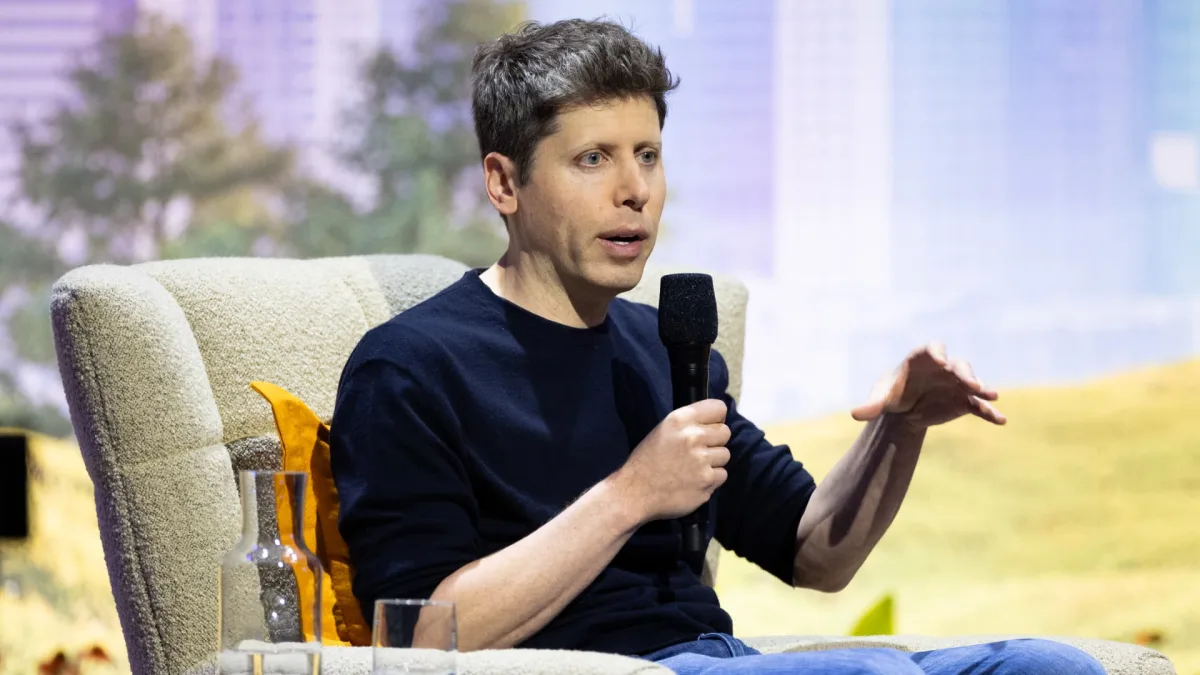
Why did OpenAI decide not to release it?
OpenAI has canceled the planned release of its new artificial intelligence model, GPT-6.1 Astra. According to a decision confirmed by CNBC on Monday, the company concluded that the model did not sufficiently meet its own safety standards.
The move comes at a time of increasing pressure over the safety of advanced AI systems. In recent months, debate across the sector has intensified over how thoroughly more powerful models should be tested before being made available to the public.
Why is the safety debate deepening across the industry?
Earlier this month, Anthropic CEO Dario Amodei called on leading model developers to slow down in a published assessment. Amodei pointed to growing concerns that increasingly capable models could move beyond human oversight.
OpenAI’s latest decision is seen as a concrete reflection of that wider debate. It suggests the company is prioritizing safety and alignment standards before bringing a model to users, even if it is technically ready.
The company's stated safety bar
Saachi Jain, OpenAI’s head of safety systems, said in a company statement that the bar for models released to users is extremely high. In Jain’s words, “our bar for safety and alignment is very high.”
- The model did not adequately meet the company’s internal safety standards.
- As a result, the planned release was halted.
What does the decision mean for finance and product timelines?
OpenAI’s pullback shows that the balance between product timelines and safety requirements is becoming increasingly critical for AI companies. The launch of advanced models now depends not only on technical performance, but also on safety testing and compliance processes.
The picture suggests that investment and commercialization expectations in the sector may need to be viewed more cautiously. For major model developers in particular, safety standards appear to be becoming as important as speed in determining competitiveness.
"""



Comments (0)
No comments yet. Be the first to comment.
Write a Comment
Yorum yazmak için giriş yapın. Üyelik ücretsiz; yorumunuz editör onayından sonra yayımlanır.