
How did the first-round balance shift?
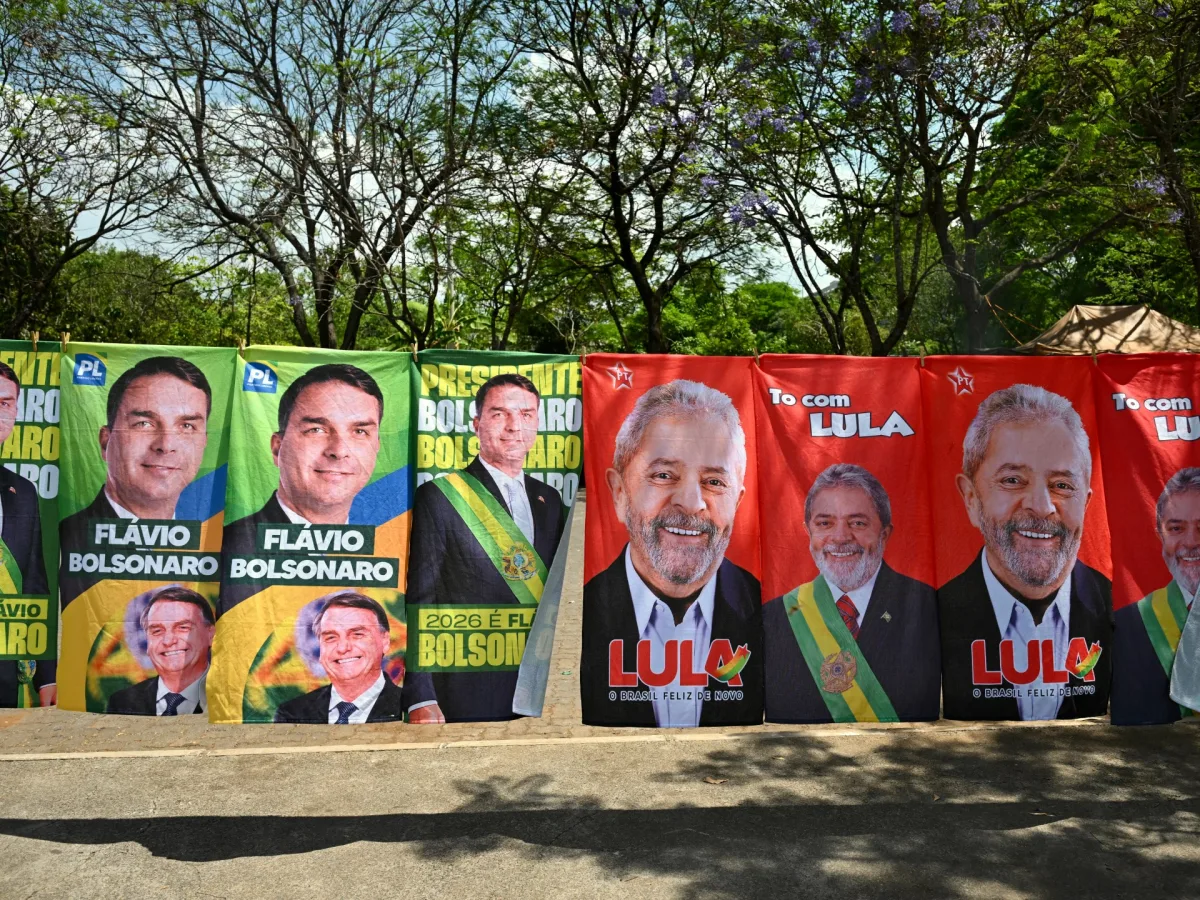
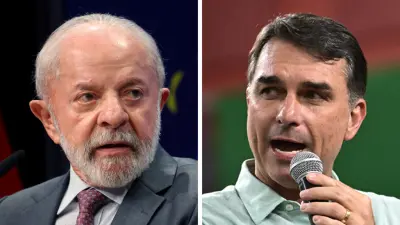
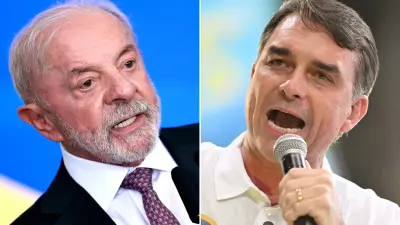
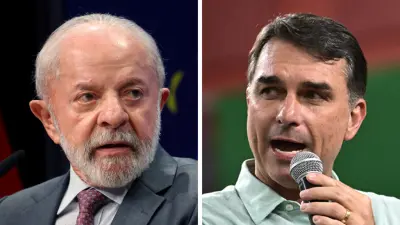
In the first round of Brazil's election, Senator Flavio Bolsonaro emerged ahead at the polls, defying expectations. In a race where recent surveys had shown President Luiz Inacio Lula da Silva leading by about three points, Bolsonaro won 47% of the vote on Sunday, while Lula took 45%. The result showed Lula entering the runoff, due in three weeks, from a more vulnerable position than expected.
According to Carlos Pereira, a political scientist at the Getulio Vargas Foundation, one major reason for the margin was that voters who would normally have backed smaller right-wing candidates in the first round consolidated around Bolsonaro in the final days. Pereira said voters who might have leaned toward names such as former Goias Governor Ronaldo Caiado and businessman Renan Santos, founder of the right-wing Free Brazil Movement, chose strategically before waiting for the runoff.
Why did the right consolidate early?
Analysts say that early alignment lifted Bolsonaro's first-round performance, but it could also limit his room for growth in the runoff. Political analyst Rafael Favetti, speaking to Reuters, said part of the support Bolsonaro would normally have expected in the second round may already have been counted in his first-round total.
- Votes expected to go to smaller right-wing candidates shifted to Bolsonaro in the final days
- Right-wing voters united earlier around opposition to Lula
The Banco Master scandal and its campaign impact
The Banco Master scandal, which dominated the final weeks of the campaign, was another issue affecting both sides. The case centered on allegations of an improper relationship between Supreme Court Justice Alexandre de Moraes, who oversaw the case that sent former President Jair Bolsonaro to prison, and Daniel Vorcaro, the owner of Banco Master; Moraes denied the allegations.
For some voters, Pereira said, that link may have acted as a late trigger. A Datafolha survey released in September found that 34% of respondents saw the scandal as leaning more to the left, while 27% saw it as leaning to the right. Andre Pagliarini, a professor at Louisiana State University, said the scandal may have hurt Lula, but also noted, ironically, that Flavio Bolsonaro was himself investigated over an allegation that he sought money from Vorcaro for a film about his father. Bolsonaro denies wrongdoing in that case.
Did the polls miss the mark?
Experts do not see the outcome as a total failure of polling. For Pagliarini, the most striking point was not only the presidential race, but the broader-than-expected strength of the right. Bolsonaro outperformed his father Jair Bolsonaro's first-round result in 2022 by about four points, the Liberal Party emerged as the largest bloc in the Senate, and right-wing candidates also made significant gains in state governor races, especially in Brazil's southeast.
Lula's runoff math
The result also points to a deeper problem for Lula and Brazil's left: a perception that the government has not delivered enough, especially on the economy and public safety. Despite positive indicators such as falling unemployment, lower inequality and slowing inflation, high food prices and household debt do not appear to have eased the pressure on daily life. In a September Quaest poll, nearly half of respondents said the economy had worsened over the past year, while only 19% said it had improved.
Lula needs to make up a gap of about 2.2 million votes before the runoff. Roughly 9 million votes that went to other candidates in the first round and 33.4 million non-voters — 28% of registered voters — form the key pool that could decide the next phase. Lula's campaign is preparing a new communications team, while analysts say a comeback is still possible, even if the numbers have become tougher.
"""

Comments (0)
No comments yet. Be the first to comment.
Write a Comment
Yorum yazmak için giriş yapın. Üyelik ücretsiz; yorumunuz editör onayından sonra yayımlanır.