
The first-round picture in Brazil's election
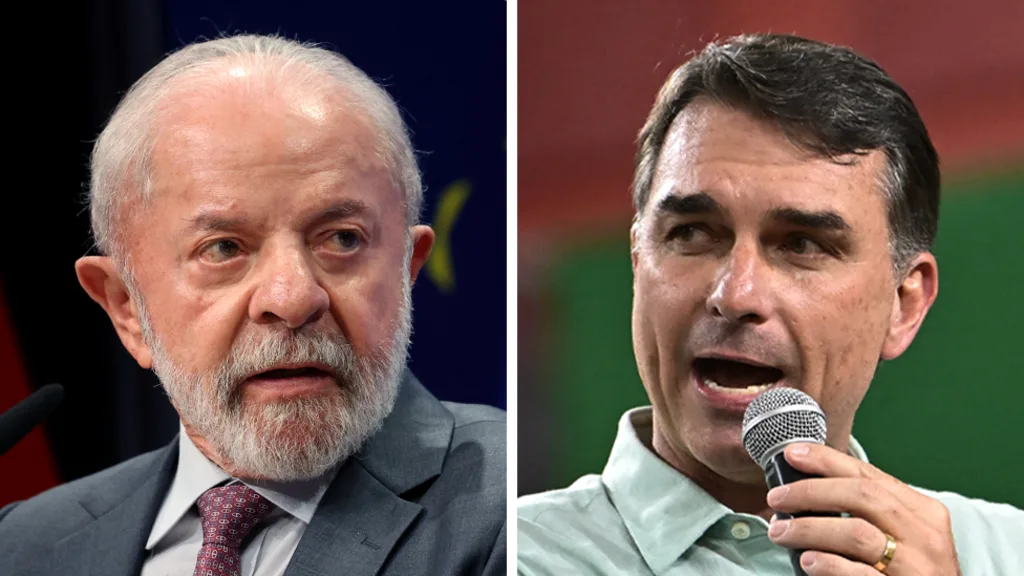
In the first round of Brazil's election, right-wing candidate Flávio Bolsonaro came out on top, but the race was not over because he failed to win an absolute majority. When official counting was 98.81% complete, Bolsonaro had 47.24% of the vote and incumbent President Lula da Silva had 44.91%; the two will face each other again in a runoff on Oct. 25.
The narrow margin confirmed a race that had been neck and neck throughout the campaign. Lula drew support especially in Brazil's poorer northeast, among low-income voters, Catholics and women, while Bolsonaro performed more strongly in the south, among wealthier voters and evangelical Christians.
How the candidates and political balance took shape
Flávio Bolsonaro is the son of former President Jair Bolsonaro. Jair Bolsonaro was sentenced to 27 years in prison for planning an attempted coup after the last election, and he had also previously been barred from running again.
Flávio Bolsonaro promised that, if elected, he would grant amnesty to his father and supporters involved in the Jan. 8, 2023 attacks. On election day, Jair Bolsonaro's wife, Michelle Bolsonaro, was also elected to the Senate.
Lula, meanwhile, is 80 years old and seeking a fourth term as president. He was elected in 2002, 2006 and 2022, and in the last election he defeated Jair Bolsonaro by less than 2 percentage points; that result went down as the closest presidential race in Brazilian history.
Voters focused on the economy, security and foreign policy
What stood out?
- Economy: Slowing growth and high household debt were among the campaign's main points of debate.
- Security: Although murder rates have fallen, visible street crime and drug trafficking remained key voter concerns.
- Corruption: A financial scandal surrounding jailed banker Daniel Vorcaro sparked debate across the political spectrum.
Bolsonaro promised a cap on public debt, spending cuts and revisions to social assistance programs, while Lula defended social support programs, investment in education and a stronger role for the state. Bolsonaro also pledged to classify gangs as terrorist organizations and build maximum-security prisons similar to those in El Salvador.
Claims of outside interference also shaped the campaign
The president of the Superior Electoral Court of Brazil said there was no evidence of international interference in the election. Even so, during the campaign Lula at times claimed the U.S. was trying to influence the vote; Flávio Bolsonaro, meanwhile, signaled a closer line with Washington while backing the continuation of economic ties with China.
"""
Comments (0)
No comments yet. Be the first to comment.
Write a Comment
Yorum yazmak için giriş yapın. Üyelik ücretsiz; yorumunuz editör onayından sonra yayımlanır.