
Polls close as all eyes turn to official results
Voting has ended in the first round of Brazil's election. After long lines formed at many polling stations throughout the day, the electronic voting system is expected to deliver official results within hours.
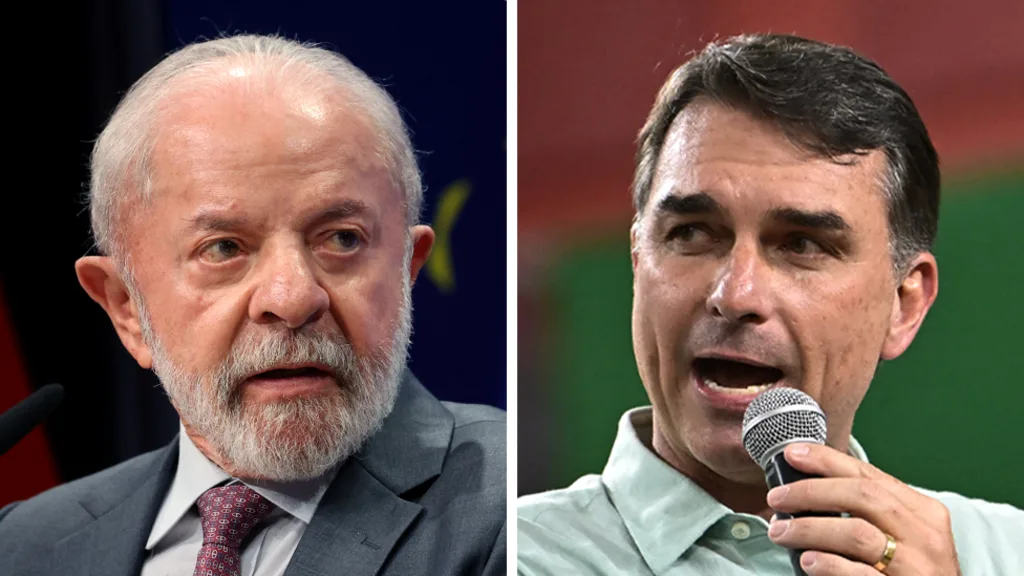
The race is widely seen as extremely close between 80-year-old leftist President Luiz Inácio Lula da Silva and his 45-year-old right-wing challenger Flávio Bolsonaro. According to a BBC Brazil poll roundup, the gap between the two candidates is only 2 points.
After casting his ballot, Lula described the election as a choice between democracy and barbarism. Flávio Bolsonaro, meanwhile, said his goal was to free the Brazilian people.
What thresholds will decide the first round?
According to Brazil's Superior Electoral Court, 158.7 million voters are eligible to cast ballots, including 1 million Brazilians living abroad. Although there are 11 candidates in the presidential race, polls suggest the combined vote share of everyone except Lula and Bolsonaro could remain at around 10%.
- For any candidate to win in the first round, they must secure more than 50% of valid votes.
- If that threshold is not reached, a runoff vote will be held on October 25.
- The same election will also shape the makeup of the Senate for the new term.
Early signals from overseas ballots and the Senate balance
Initial counting data has begun to arrive from some countries where Brazilians living abroad voted. In China, Lula won 56.63% of the vote, while Bolsonaro came second with 31.33%. Lula also led in South Korea, New Zealand and Saudi Arabia.
By contrast, Bolsonaro won 74.40% of valid votes in Israel and 71.59% in Japan. The results show that voter preferences at diplomatic missions abroad differ as much as they do inside Brazil.
Election day will also affect the shape of the 81-seat Senate, whose new members will take office from February 2027. A total of 54 seats, or two-thirds of the chamber, are up for grabs. Bolsonaro's Liberal Party is currently the largest bloc in the Senate, followed by the Social Democratic Party, which is part of Lula's governing coalition.
The shadow of the last election hangs over the campaign
In the election four years ago, Lula narrowly defeated Flávio Bolsonaro's father, Jair Bolsonaro. But the crisis that deepened after thousands of supporters stormed Brazil's Congress left a lasting mark on the country's political climate.
Jair Bolsonaro was sentenced to 27 years in prison for plotting a coup and has been barred from running again. He is being held under house arrest rather than in prison because of health problems, and is also banned from posting on social media or making public statements; even so, there is little doubt in political circles that Flávio Bolsonaro has his father's backing.
"""


Comments (0)
No comments yet. Be the first to comment.
Write a Comment
Yorum yazmak için giriş yapın. Üyelik ücretsiz; yorumunuz editör onayından sonra yayımlanır.