
Geopolitical risk premium strengthens in oil markets
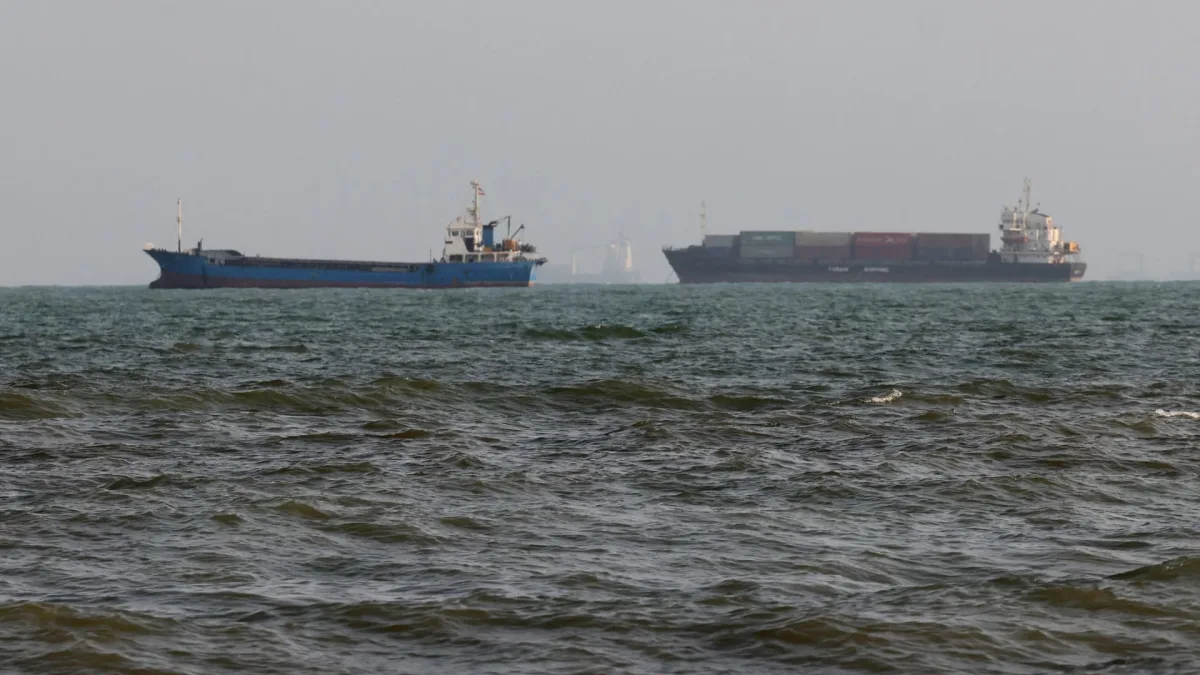
Oil prices rose on Monday after US forces struck two rocket launchers on Iran’s Larak Island on Sunday. The global benchmark Brent crude for November delivery climbed 1.54% to $89.46 a barrel, while the October contract for US West Texas Intermediate (WTI) crude gained 1.44% to $84.60.
US Central Command (CENTCOM) spokesman Navy Captain Tim Hawkins confirmed that American forces targeted two Iranian launchers on Larak Island. Hawkins said Iranian Revolutionary Guard units were observed preparing rockets carrying naval mines toward the Strait of Hormuz.
Why is the risk in the Strait of Hormuz being watched closely?
The Strait of Hormuz is considered one of the most critical chokepoints for global energy shipments. As the conflict in the Middle East enters its sixth month, a significant disruption to shipping through the region has heightened market fears of supply outages.
- November Brent crude: $89.46
- October WTI crude: $84.60
How did the military escalation affect markets?
According to Associated Press, Sunday’s operation was the first publicly acknowledged US strike on Iranian positions since late July. The Iranian Revolutionary Guard also said some of its personnel were killed and wounded in the attack, while reports citing Iranian media said retaliatory strikes were carried out on US military bases in Jordan.
Analysts point to supply tightening and refining pressure
PVM Oil Associates analyst Tamas Varga said supply risks could persist in the coming weeks and months, and oil inventories may continue to decline. According to Varga, the Iran crisis signals a lasting shift in the security balance in the Middle East.
Goldman Sachs said in a note that rising attacks on refineries in the Middle East and Russia are further squeezing already strained global refining capacity. The bank said this is pushing refined product margins to new highs while also supporting the geopolitical risk premium on crude oil.
"""



Comments (0)
No comments yet. Be the first to comment.
Write a Comment
Yorum yazmak için giriş yapın. Üyelik ücretsiz; yorumunuz editör onayından sonra yayımlanır.