
¿Por qué vuelve a debatirse la forma de la economía?
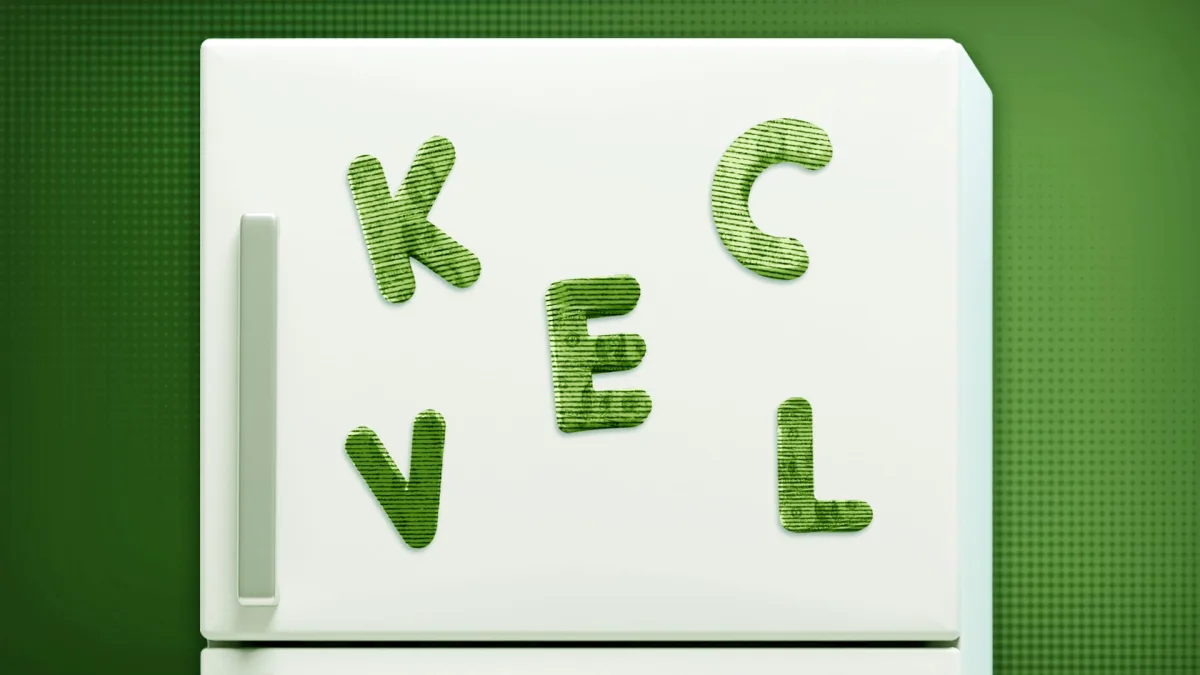
En Estados Unidos, la idea de una economía en forma de K se ha usado durante mucho tiempo para describir cómo la recuperación posterior a la pandemia no benefició por igual a todos los niveles de renta. Sin embargo, los últimos datos sobre subidas salariales, políticas fiscales y hábitos de consumo han abierto un debate sobre si la economía se parece ahora más a una C o incluso a una E.
Para los economistas, no se trata solo de una discusión conceptual. La diferencia de gasto entre consumidores de ingresos bajos y altos influye directamente en las ventas del comercio minorista, la hostelería y las empresas de bienes esenciales, además de condicionar la política monetaria y el debate sobre el coste de la vida en un año electoral. Joel Mokyr y nombres como Don Rissmiller señalan que, años después de una recesión, resulta poco habitual que este tipo de comparaciones con letras sigan en el centro de la conversación.
¿Quién defiende la tesis de la C?
Scott Bessent afirmó este mes que la economía en forma de K ha quedado atrás y que, en su lugar, está tomando forma una C en la que los hogares de menores ingresos están ganando terreno. El secretario del Tesoro de Estados Unidos apoyó su argumento en las subidas salariales entre los trabajadores peor pagados y en las políticas del presidente Donald Trump que eliminan el impuesto sobre los ingresos por propinas y horas extra.
Una visión parecida llegó desde el sector empresarial. Christopher Nassetta, consejero delegado de Hilton Worldwide, señaló que la situación en los segmentos de renta media y media-alta pasó de negativa a crecimiento, y que en algunas áreas el avance llegó al 6%. Wyndham Hotels & Resorts también informó de una recuperación de la confianza del consumidor de ingresos medios respecto a su capacidad de compra.
¿Confirman los datos que la brecha en forma de K ha terminado?
No todos comparten ese optimismo. Anthony Chan, ex economista jefe de JPMorgan, sostiene que la guerra entre Estados Unidos e Irán golpeó con más fuerza a los hogares de menores ingresos a través del encarecimiento de la energía. Según Chan, el riesgo de que la subida de la gasolina mantenga elevada la inflación podría limitar los beneficios de las devoluciones fiscales o de las medidas para mejorar el acceso a la vivienda.
La confianza del consumidor también muestra prudencia. Según la encuesta de la University of Michigan, la confianza del consumidor cayó en agosto un 11% respecto al mismo mes del año anterior y se mantuvo cerca de los mínimos registrados a comienzos de año. Joanne Hsu, responsable del sondeo, indicó este mes que la pérdida de confianza era más acusada entre los hogares de renta baja y media.
Las comunicaciones corporativas también sugieren que la división no ha desaparecido del todo. Directivos de Colgate-Palmolive, Lowe's y Constellation Brands afirmaron que el patrón de consumo sigue mostrando rasgos de una economía en K. Investigadores de la Reserva Federal de Nueva York concluyeron, además, que el saldo agregado de las tarjetas de crédito alcanzó en el segundo trimestre un nivel cercano al récord de 1,26 billones de dólares, señal de que muchos hogares siguen viviendo al día.
¿Qué implicaría un escenario en forma de E para los mercados?
En las últimas semanas, algunas instituciones también han detectado señales de convergencia. Según un informe publicado el mes pasado por la Reserva Federal de Richmond, entre 2021 y 2023 el crecimiento de los ingresos no mostró una brecha K marcada entre los distintos niveles de renta, aunque los datos de consumo sí apuntaron a una separación clara. Por su parte, Bank of America Institute informó de que la diferencia en el gasto con tarjeta de crédito entre los hogares de mayor renta y el resto empezó a estrecharse en mayo de este año.
Aun así, algunos economistas defienden que la economía ya se parece más a una E. Este enfoque sostiene que los tres grandes grupos de renta —baja, media y alta— no se han separado más ni se han unido del todo, sino que avanzan en líneas paralelas pero desiguales. Michael Eisenband, de FTI Consulting, y Heather Long, de Navy Federal Credit Union, creen que una realidad en la que la clase media apenas logra mantenerse a flote se describe mejor con la letra E.
- En la renta baja, la energía y los costes básicos de vida siguen presionando.
- En la clase media hay señales de recuperación, pero la confianza del consumidor sigue débil.
- La ventaja de gasto de los hogares de mayor renta se ha reducido, aunque no ha desaparecido por completo.





Comentarios (0)
Aún no hay comentarios. Sea el primero.
Escribir Comentario
Yorum yazmak için giriş yapın. Üyelik ücretsiz; yorumunuz editör onayından sonra yayımlanır.