
Lobbying bill leads the way in the first half
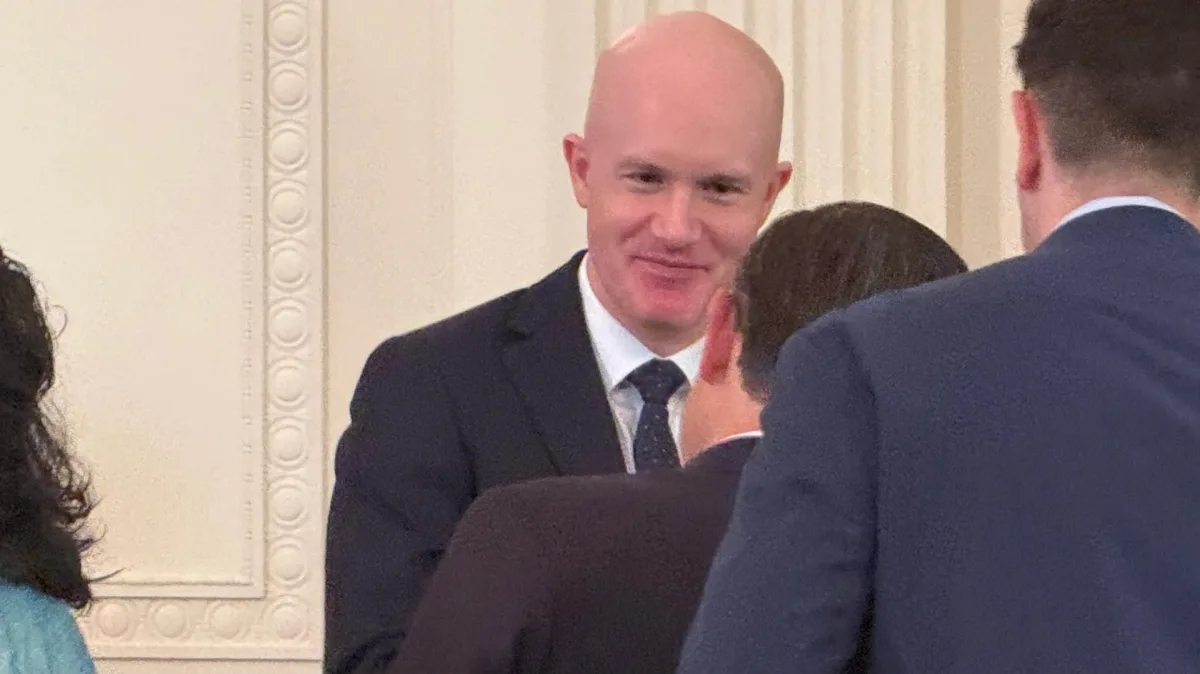
Crypto lobbying reached roughly $8 million in direct spending in the first six months of 2026 for the Clarity Act, a bill aimed at regulating U.S. digital asset markets. According to CoinDesk’s review of federal lobbying disclosures, the effort has not yet achieved its goal of advancing the bill through the Senate.
During the same period, the industry’s total lobbying spending climbed above $13 million. Disclosures tied $8 million of that to market structure regulation directly, while part of the remaining $5.4 million was filed under broader categories such as crypto, financial services, tax, mining and outreach to regulatory agencies.
How the money was split and which firms stood out
Of the Clarity Act-related spending, about $2.4 million went to outside lobbying firms and $2.1 million to in-house advocates working at industry associations. The remainder was used for influence efforts run by crypto companies’ own teams.
- Coinbase spent about $2.2 million on lobbying work, including advocacy for the bill.
- Kraken spent nearly $1 million on similar efforts.
- Among broader crypto-related lobbying outside the bill itself, a16z spent $1.5 million, Binance $1.4 million and Crypto.com more than $1.2 million.
Outside lobbying firms saw heavy demand
Payments from the sector were spread across at least 42 lobbying firms. One of the largest recipients was Checkmate Government Relations, which took in about $1.8 million, much of it linked to Binance; Sternhell Group received $660,000 in digital-asset-related revenue over two quarters.
Other outside firms directly tied to the Clarity Act campaign included Michael Best Strategies, Goldstein Policy Solutions and Phronesis DC. Each of the three reportedly received at least $200,000 in the first half of 2026.
No law yet, but the regulatory push continues
Some people following the talks said divisions within the industry made it difficult to settle on a common position. Corey Frayer, a former SEC official, also argued that companies have not been united enough on major policy issues.
Still, industry representatives say the effort has not been a complete failure. The bill’s progress farther than in previous years, some bipartisan areas of agreement and the fact that the debate is now shifting toward regulatory steps at the SEC (Securities and Exchange Commission) and CFTC (Commodity Futures Trading Commission) suggest the fight in Washington will continue after Congress.
"""




Comments (0)
No comments yet. Be the first to comment.
Write a Comment
Yorum yazmak için giriş yapın. Üyelik ücretsiz; yorumunuz editör onayından sonra yayımlanır.