
U.S. sanctions target crypto-linked money flows
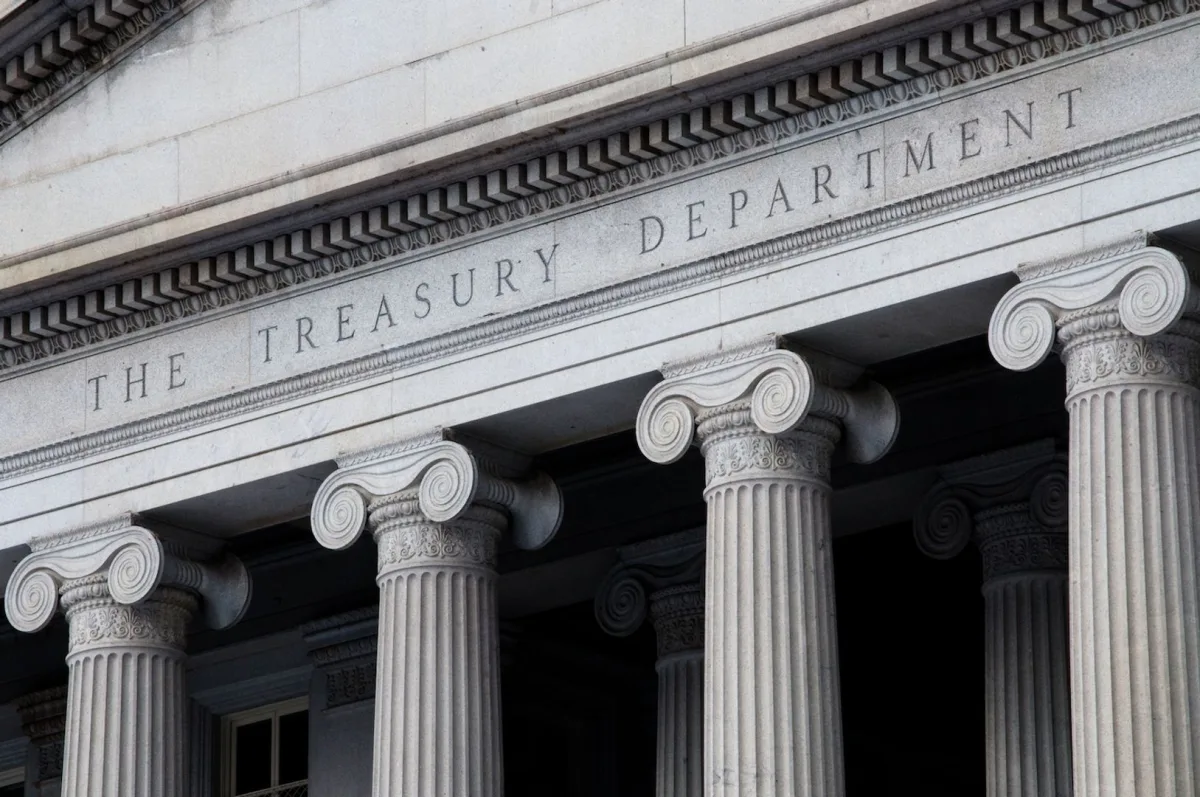
The U.S. Treasury Department announced new sanctions aimed at the role of crypto assets in a $2 million fundraising network said to be linked to Hamas. The move showed that Washington sees crypto not as the group’s only or main financing channel, but as part of a broader donation and payment structure.
Treasury officials had previously said that Hamas and similar groups still relied largely on traditional financial systems despite sanctions and seizures involving crypto. The latest decision is seen as a fresh example of that approach in practice.
Who and what transactions are covered by the new restrictions?
Under the sanctions announced, the assets and interests in assets of the listed individuals and entities that are within U.S. jurisdiction are being blocked. In general, U.S. persons and companies are prohibited from dealing with them.
The measure is not limited to the directly listed parties. It also covers companies that are owned, directly or indirectly, by 50% or more by designated individuals or entities.
Secondary sanctions risk for foreign financial institutions
The decision also creates significant compliance pressure for financial institutions outside the United States. According to Treasury, foreign financial institutions that knowingly facilitate significant transactions on behalf of listed parties could face secondary sanctions risk.
- Assets within U.S. jurisdiction are blocked.
- Transactions by U.S. persons and companies are prohibited.
- Foreign firms may face secondary sanctions risk.
- The sanctions extend to companies controlled by designated parties.
Binance and TRON details return to focus
The move came after reports last month said Qassam Brigades had advised donors not to send funds directly through Binance, but instead to use other crypto services and then move the money to a TRON wallet. The detail suggests that authorities are tracking crypto transfers as part of layered financial flows rather than isolated transactions.
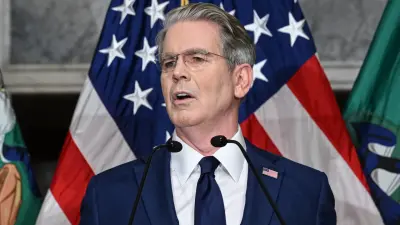
U.S. Treasury Secretary Scott Bessent said, “Terrorist organizations rely on complex financial intermediaries and fraudulent schemes designed to exploit the public.” The latest sanctions signal that crypto service providers and cross-border financial institutions may face even tighter customer and transaction screening.
"""




Comments (0)
No comments yet. Be the first to comment.
Write a Comment
Yorum yazmak için giriş yapın. Üyelik ücretsiz; yorumunuz editör onayından sonra yayımlanır.