

What risks does home insurance cover?
Home insurance is a type of protection designed to reduce the financial impact of sudden and unexpected damage that may occur at home. The scope of cover can vary depending on the insurer, the product type and the optional add-on packages chosen. For that reason, when reviewing a policy, it is important to read not only the price but also the main covers, additional clauses and special conditions together.
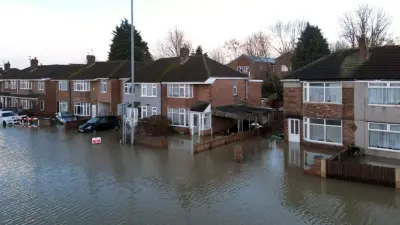
In practice, many home insurance products may cover material losses caused by fire, smoke, explosion, water-related damage, storms, hail and similar external factors. Some policies may also include additional cover for theft, broken glass, electronic devices, loss of rent or damage caused to a neighbor. However, none of these items are standard in every policy; there are important differences between basic and extended packages.
- Damage to the building’s main structure
- Optional cover for household contents
- Additional protection such as plumbing damage, broken glass or theft
- Liability cover for certain damages that may be caused to third parties
Why should policy exclusions be reviewed carefully?
Policy exclusions refer to situations in which the insurer will not pay a claim, or will only evaluate it within limited terms. Common examples include problems arising from poor maintenance, wear and tear over time, dampness, mold, faults linked to aging plumbing systems and user negligence. Intentional damage and use that violates regulations are also often excluded.
For example, a leak caused by a roof that has not been repaired for a long time may be considered a maintenance issue rather than a sudden risk. Similarly, vacant homes, undeclared renovations or underreporting high-value items may create problems during the claim payment process. That is why it is crucial that the information provided at the quotation stage is up to date and accurate.
Topics commonly found in special conditions
- Damage caused by wear and tear, aging and lack of regular maintenance
- Cases involving intent, gross negligence or false statements
- Losses that fall under additional cover not separately added to the policy
- Invoice, record or extra notification requirements for certain groups of items
How should the claims process be handled?
For a loss to be considered within the scope of cover, the process must be handled properly. First, immediate safety measures should be taken to prevent the damage from spreading, and photos and documents should be collected if possible. Then the insurer or intermediary should be notified without delay. The surveyor’s inspection, document requests and assessment process are shaped by the policy’s special conditions.
In short, understanding the exclusions as well as the scope of cover determines how much benefit can be expected from home insurance. Rather than deciding based only on the premium, it is wiser to compare policies by taking into account the property’s features, the value of belongings and the risks in the area where you live.
"""




Comments (0)
No comments yet. Be the first to comment.
Write a Comment
Yorum yazmak için giriş yapın. Üyelik ücretsiz; yorumunuz editör onayından sonra yayımlanır.