
How did the split emerge in the G20 joint statement?
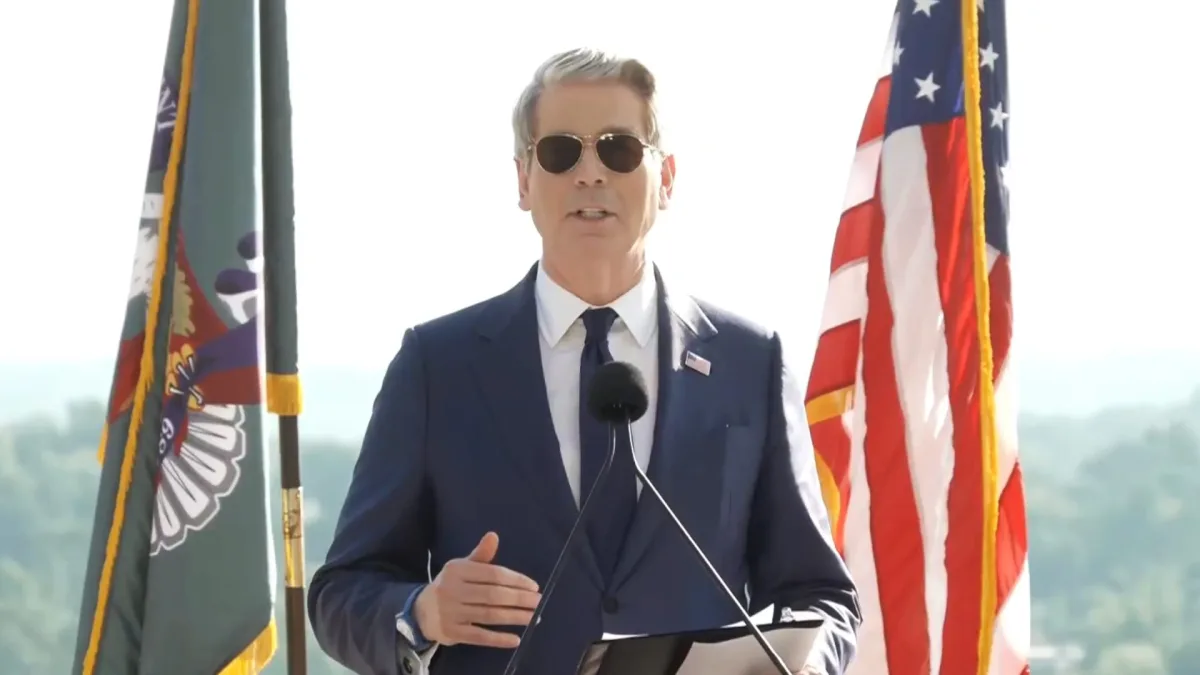
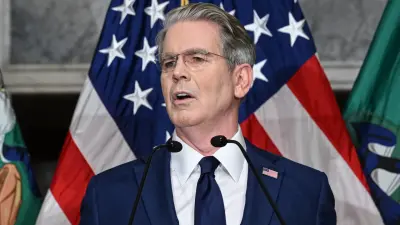
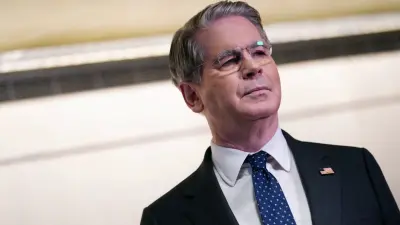
The G20 joint statement was released after meetings of finance ministers and central bank governors in Asheville, North Carolina. U.S. Treasury Secretary Scott Bessent said China alone opposed a joint line stating that low-cost export flows that distort markets are not sustainable. The document therefore went down as one in which 19 of the 20 members agreed, while Beijing stood apart.
Bessent said the remaining members would take steps in the days, weeks or months ahead to seek a solution to this unsustainable imbalance. A later statement from the U.S. Treasury Department also clearly marked China’s objection to the relevant paragraphs with a footnote.
Which points did China oppose?
According to the footnote in the text, China objected to a paragraph arguing that countries should eliminate non-market policies and practices that widen imbalances. That section stressed that economies with particularly large and persistent external surpluses should address distortions that restrain domestic consumption and reduce excessive reliance on exports for growth.
- China also objected to the paragraph expressing concern over ongoing shipment disruptions in the Strait of Hormuz.
- Beijing opposed language praising the International Monetary Fund's monitoring of global imbalances.
- It also did not support wording that singled out countries with a significant share of external debt owed to G20 members.
The Chinese Embassy in the U.S. did not respond by publication time to CNBC’s request for comment on Bessent’s remarks. Bessent said he had expected unanimity, but argued that agreement among 19 countries still showed the scale of the problem.
Why do Iran sanctions and shipping routes matter for markets?
The remarks came as Bessent was advancing the Trump administration’s plan, Operation Economic Outcast, aimed at squeezing Iran’s economy with threats of secondary sanctions. That has raised questions over whether China, Iran’s biggest trading partner and largest oil buyer, could be targeted. At the same time, long-term trade talks between Washington and Beijing were continuing, with Chinese President Xi Jinping scheduled to travel to the U.S. at the end of September.
What market balance are investors watching?
Bessent said the U.S. and China have more common ground than differences when it comes to Iran. Noting that China gets 50% of its energy from the Gulf, he said protecting free maritime trade is also a shared interest. As a result, the steps Beijing takes will be closely watched both for oil shipments and for the broader debate over global trade balances.
"""
Comments (0)
No comments yet. Be the first to comment.
Write a Comment
Yorum yazmak için giriş yapın. Üyelik ücretsiz; yorumunuz editör onayından sonra yayımlanır.