
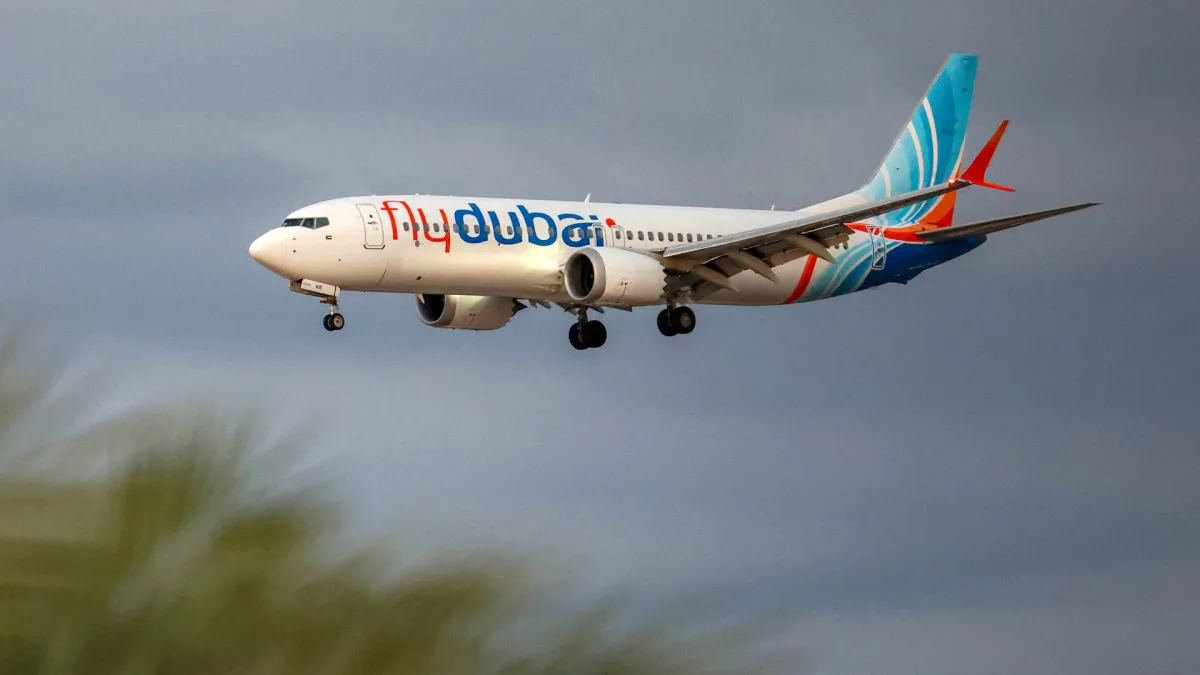
Official UAE statement on FlyDubai flight FZ1073
The United Arab Emirates said the incident on FlyDubai's FZ1073 flight from Dubai to Tel Aviv on Sept. 30 was being treated as a planned terror attempt. The UAE Public Prosecution said the co-pilot attacked the captain in the cockpit with an emergency axe during the flight and tried to seize control of the aircraft.
According to the airline, there were 172 people on board, including passengers and crew. Israeli Prime Minister Benjamin Netanyahu said most of those on the plane were Israeli citizens and said the attacker had tried to bring the aircraft down.
What happened on the flight?
According to media reports and witness accounts, passengers and cabin crew restrained the co-pilot after the attack. The aircraft then made a safe landing at Tabuk Airport in Saudi Arabia.
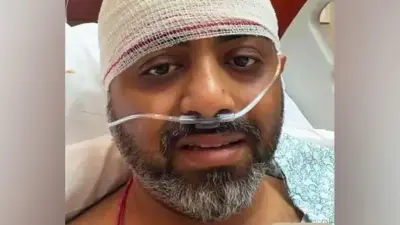
Netanyahu said the injured pilot was Indian national Smit Machchhar. The Indian Embassy in Riyadh said Machchhar was taken to hospital in Tabuk and that his condition was stable; FlyDubai later said the captain had been brought back to the UAE.
Flight data revealed the severity of the incident
Data from flight-tracking platform FlightRadar24 showed the Boeing 737 Max 8 experienced sharp altitude changes before broadcasting a general emergency code. The data showed FZ1073 reached vertical speeds far outside normal operating limits within a short period.
- The aircraft descended rapidly from a level above 14,000 feet in 29 seconds.
- Transponder data showed vertical speeds ranging from about -30,000 to +10,000 feet per minute.
- According to FlightRadar24, vertical speeds in normal operations rarely exceed plus or minus 4,000 feet per minute.
What is the investigation focusing on?
UAE authorities said the investigation is ongoing to determine all circumstances of the incident, possible motives and any connections. They said technical reviews, as well as the analysis of physical and digital evidence, are part of the case file.
The terminology used by officials shows the case is being handled not only as a criminal matter but also as a high-risk aviation security incident. The prosecutor's statement was the first official confirmation that the weapon used in the attack was a crash axe, or emergency axe.
Operational risk and security concerns back in focus
The incident on the Dubai-Tel Aviv route has once again put cockpit security and crew oversight in commercial aviation under the spotlight. Anwar Gargash, a senior adviser to the UAE president, also stressed that the fight against extremism in the region continues.
While no official data has been released on any financial market impact, the outcome of the investigation is being closely watched for its implications for aviation safety procedures and operational risk management. In particular, flight security, continuity of service and companies' crisis management practices are likely to remain at the center of the debate in the coming period.


Comments (0)
No comments yet. Be the first to comment.
Write a Comment
Yorum yazmak için giriş yapın. Üyelik ücretsiz; yorumunuz editör onayından sonra yayımlanır.