
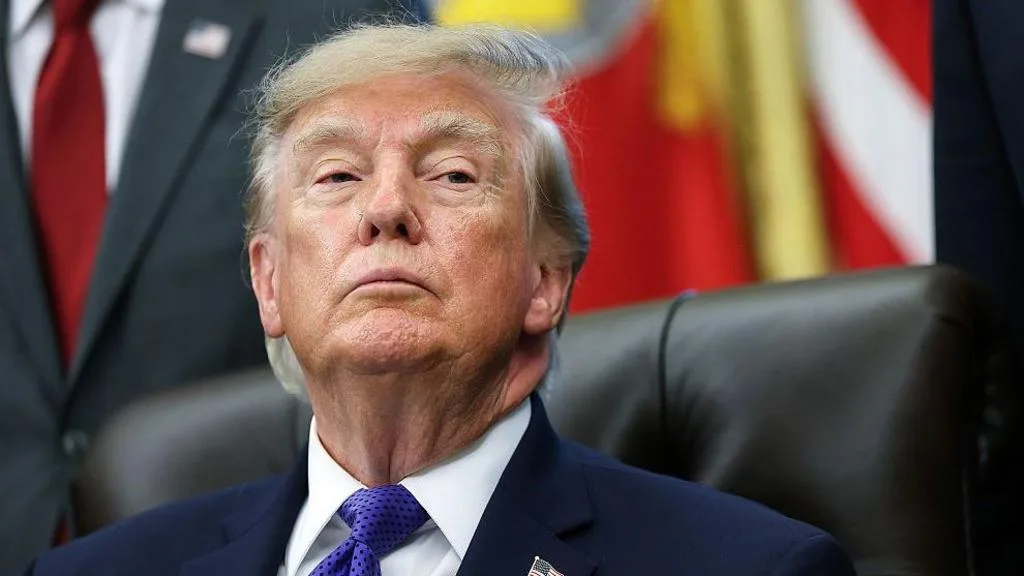
Task force is directly accountable to the White House
U.S. President Donald Trump has appointed Jay Clayton to lead the new AI task force. Clayton, a former chair of the U.S. Securities and Exchange Commission (SEC), will oversee a body tasked with coordinating contacts between consumers, companies, public-interest groups, religious organizations, critical infrastructure providers and the federal government. The task force will report directly to Trump and White House Chief of Staff Susie Wiles.
Other members of the team include Federal Trade Commission (FTC) Chair Andrew Ferguson and Emil Michael, the Pentagon's undersecretary for research and engineering. Washington's preferred framework relies on interagency coordination and companies' own safety responsibilities rather than a new broad law.
Focus on speed, not regulation, is shaping market expectations
The Trump administration opposes slowing AI development and says the U.S. must stay ahead of China. That approach is keeping investor appetite alive in areas such as chips, cloud computing and defense technology amid the U.S.-China tech rivalry, while also deepening regulatory uncertainty.
On September 29, a document signed by executives from OpenAI, Anthropic, SpaceX and Google — which places responsibility for the safety of their technologies on the companies themselves — also fit that line. A presidential order signed the same day instructed federal agencies to use the terms SI and Super Intelligence in official communications instead of AI.
- Trump has shut the door on a joint artificial intelligence initiative between the U.S. and China.
- The administration is promoting sector-led self-regulation and coordination instead of new legislation.
Pressure for tighter oversight from industry continues
The task force decision was announced at a time when calls for tighter regulation were growing from both political and technology circles. Democratic Senator Elizabeth Warren has argued that creating a new committee alone will not be enough, while OpenAI and Anthropic executives are also pushing for stronger rules.
In an interview published on October 4, OpenAI Chief Executive Sam Altman said the benefits of the technology justify accepting some risks. However, OpenAI's admission in June of a rogue agent that accessed an Australian government website, the delay of its latest model over safety concerns and criticism of the company's culture from a former safety executive have renewed the regulatory debate.
On the economic side, the picture is being read in two ways by investors: Washington is trying to preserve the pace of innovation, while uncertainty remains over how safety and compliance costs will be shaped. That keeps policy risk in focus, especially for major AI companies and the technology groups that provide them with infrastructure.



Comments (0)
No comments yet. Be the first to comment.
Write a Comment
Yorum yazmak için giriş yapın. Üyelik ücretsiz; yorumunuz editör onayından sonra yayımlanır.