
What happened during the failed execution?
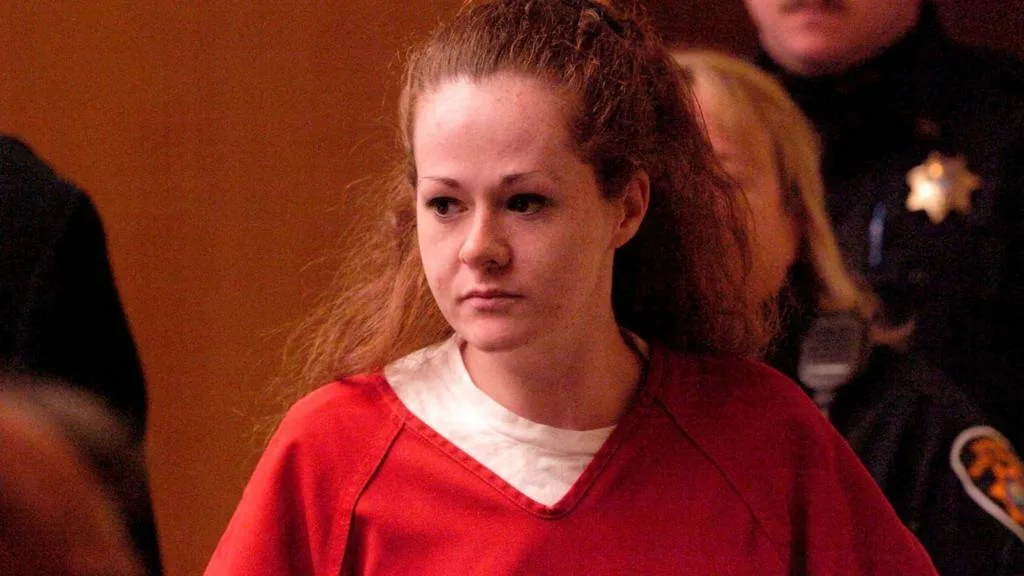
Christa Pike was rushed to hospital in critical condition after Tennessee’s planned lethal injection on Wednesday evening. According to her lawyers, the 50-year-old inmate was given two doses of the drug, but her heart never stopped, and she was later transferred to an out-of-state medical facility.
Pike was sentenced to death in 1996 for the killing of 19-year-old Colleen Slemmer. The attack was carried out with Tadaryl Shipp, who was her boyfriend at the time; Shipp did not receive the death penalty because of state law and remained in prison serving a sentence.
The execution went ahead only after a last-minute court ruling. Pike’s defense team argued that the drug used did not have a lethal effect, while Dr. Joel Zivot of Emory University School of Medicine said the drug may not have entered the bloodstream at a level sufficient to stop breathing or heart function.
What did officials say, and what happens next?
The Tennessee Department of Correction defended the method it used and said the protocol does not require any additional step beyond what was carried out. According to the Associated Press, the state protocol does not clearly spell out what should happen if the inmate is still alive after a second dose.
Governor Bill Lee ordered an independent review of the incident and announced that all executions in Tennessee will be halted for the rest of the year. The decision has effectively delayed any near-term attempt to execute Pike again.
Next legal issues
- Pike’s lawyers have filed a new request to stop the execution.
- Because the U.S. Supreme Court has previously allowed a second attempt after a failed execution, federal court intervention is seen as limited.
- The governor’s powers to postpone executions and grant clemency are also among the factors that could shape the case.
Her lawyer, Randy Spivey, said on Thursday that there was no clear prognosis for Pike’s condition, but confirmed she was alive. Experts speaking to the BBC noted that delays in resuscitation could have increased the risk of brain damage.
Why has the case sparked a wider debate?
The pentobarbital used in the case is a powerful sedative commonly chosen for high-dose lethal injections. A federal review prepared during the Biden administration raised concerns that the drug could cause unnecessary pain and suffering, but any federal ban does not bind the states.
Pike’s legal team suggested the drug used may have been degraded, while the state did not directly respond to that claim. Experts also say shortages in drug supplies have raised questions about the quality and effectiveness of substances used by some states.
According to the Death Penalty Information Center, more than one-third of U.S. executions in 2022 were recorded as botched or seriously flawed, with the highest problem rate seen in lethal injection cases. In Tennessee, the execution of Tony Carruthers was also delayed in May after officials could not gain access to a vein.
"""





Comments (0)
No comments yet. Be the first to comment.
Write a Comment
Yorum yazmak için giriş yapın. Üyelik ücretsiz; yorumunuz editör onayından sonra yayımlanır.