
What does Oura’s IPO delay mean?
The AI wearables market faced a major test on the financial front on Tuesday after Oura abruptly postponed its expected IPO at the last minute. The smart-ring maker said uncertainty in the IPO market was behind the decision, but some analysts argue the retreat cannot be explained by market conditions alone.
The company had pointed to strong demand for its products. Even so, the sudden delay has revived questions about how durable investor enthusiasm for the sector really is. Coming at a time when the IPO window appeared to be open, the move suggests that risk appetite remains limited even for tech companies with compelling growth stories.
Analysts say the development could affect not only Oura, but also companies trying to create a new category in consumer electronics with next-generation devices. From here on, valuation appetite may depend less on growth promises and more on how indispensable these products are in everyday life.
Privacy backlash is complicating Big Tech’s plans
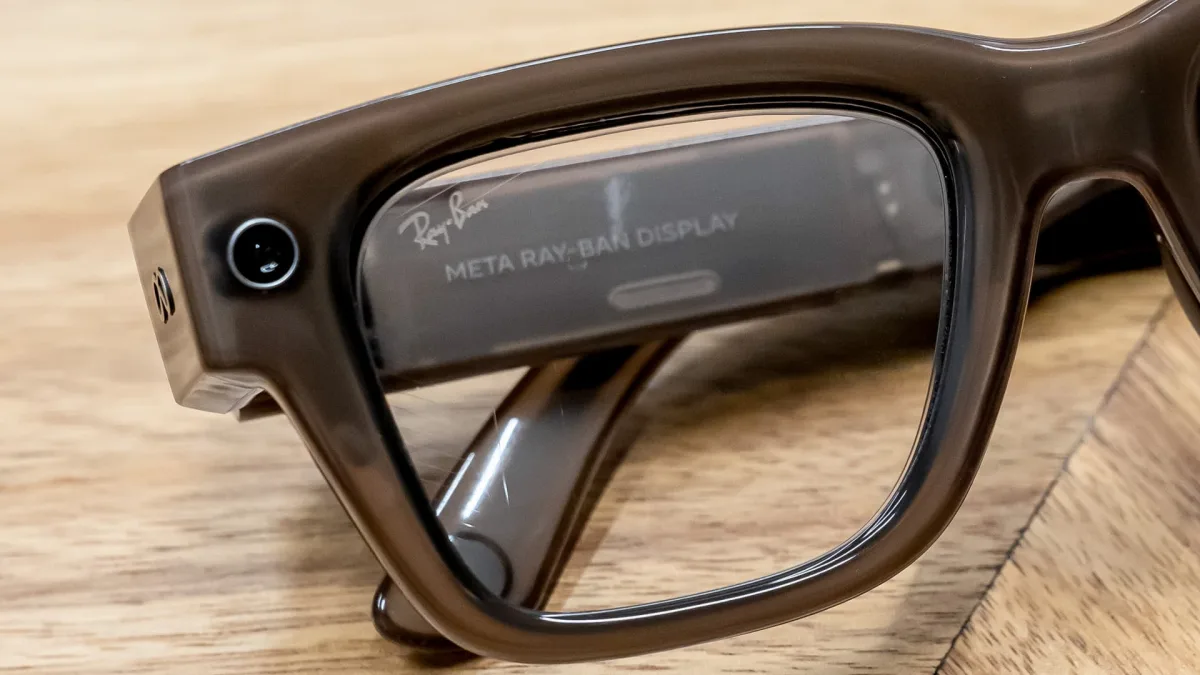
Meta, Apple, Google and OpenAI are all trying to expand this market with glasses, rings, necklaces and similar products. Meta’s Muse Charm, unveiled last week, quickly rose to the top of Apple’s iOS App Store free-app charts, while the company continues to roll out new versions of its Meta Ray-Ban AI glasses at different price points.
- OpenAI announced its personal assistant, Dots, this week.
- Apple showcased AI features for the Watch Series 12 in early September, including the ability to listen in on conversations.
- Meta introduced a camera-free smart glasses option last month.
Still, privacy concerns remain one of the biggest barriers to the market. On social media, Meta’s camera-equipped glasses have faced sharp criticism over the risk of unauthorized recording and harassment, and some gyms and public spaces have banned such devices. In the Meta social media addiction case in Los Angeles, the judge also warned during Mark Zuckerberg’s testimony that people using AI smart glasses in court could face sanctions for disrespecting the court.
The impact of privacy fears is also visible in everyday situations. Speaking to CNBC, a graduate student said that at a meetup, the person across from them noticed the recording light on their Meta Ray-Ban glasses and asked for the footage to be deleted. These kinds of experiences highlight the reputational risk that can directly affect how quickly products are adopted.
Which AI wearables are investors more willing to back?
Market researchers believe health-focused devices offer a stronger foundation. Sleep tracking, exercise data and crash detection create a more concrete value proposition in a segment that includes players such as Apple, Google and Oura. Apple’s accessibility features added to AirPods, which make the earbuds feel closer to hearing aids, are also cited as an example of this approach.
By contrast, more flashy AI devices continue to face design and execution issues. Rabbit r1 struggled to offer a use case clearly distinct from a smartphone and became known for technical problems, while Humane AI Pin was shelved last year after weak user reviews — both serving as warnings for investors. The sector’s central question remains whether these devices can deliver benefits strong enough to beat what phones already do.
"""



Comments (0)
No comments yet. Be the first to comment.
Write a Comment
Yorum yazmak için giriş yapın. Üyelik ücretsiz; yorumunuz editör onayından sonra yayımlanır.