

What does McKinsey’s view of China’s economy suggest?
Despite recent concerns over China’s economy — including weak consumer spending, pressure in the property sector and the push to diversify supply chains — McKinsey painted a different picture. In their new book, the firm’s senior Greater China executives Nick Leung and Joe Ngai say China is not heading toward a Japan-like stagnation and that a large-scale economic break with the U.S. does not appear imminent.
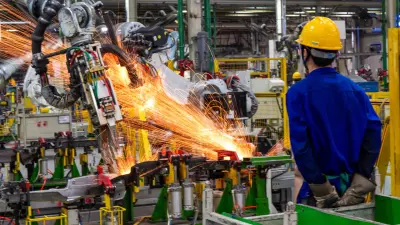
That view is rooted in China’s weight in global manufacturing and its spending to catch up in advanced technology. According to the assessment, much of the disappointment felt by U.S. and European companies that once held strong market shares in China stems from comparisons with the unusually favorable conditions of the past 20 years.
Why does strategy still matter for foreign companies?
Joe Ngai said local Chinese companies are not pleased with the intense competition either in a slowing economy. Multinational companies that want to remain successful over the long term are expected to keep investing in China, both to maintain their presence in the country’s huge consumer market and to stay competitive in other countries where Chinese firms are expanding.
Still, not every sector is equally comfortable. Geopolitical sensitivities remain especially high in areas such as technology, while foreign companies are reportedly discussing local partnership options with China-based private equity funds; for now, however, those talks are said to be more about negotiations than transactions.
Pressure on consumption and profitability continues
The reasons markets remain cautious are also strong. According to the report, since the pandemic, the pace of growth in China retail sales has been less than half the rate seen in earlier years. Starbucks sold a majority stake in its local operations, while some major U.S. companies have also scaled back their activities because of geopolitical tensions.
Growth does not always translate into profits for domestic companies either. Beverage and affordable drink chain Mixue expanded at a pace that would take its store count to nearly four times that of Dunkin’ Donuts; even so, its first-half profit fell by 14.7% as costs of sales rose faster than revenue, and its shares dropped last week.
Other signals the market is watching
- AI-powered education products are emerging as one of the overseas growth areas for Chinese companies.
- According to McKinsey, despite the search for alternative markets in recent years, it is still difficult for many executives to ignore China.





Comments (0)
No comments yet. Be the first to comment.
Write a Comment