
A new risk factor for investors
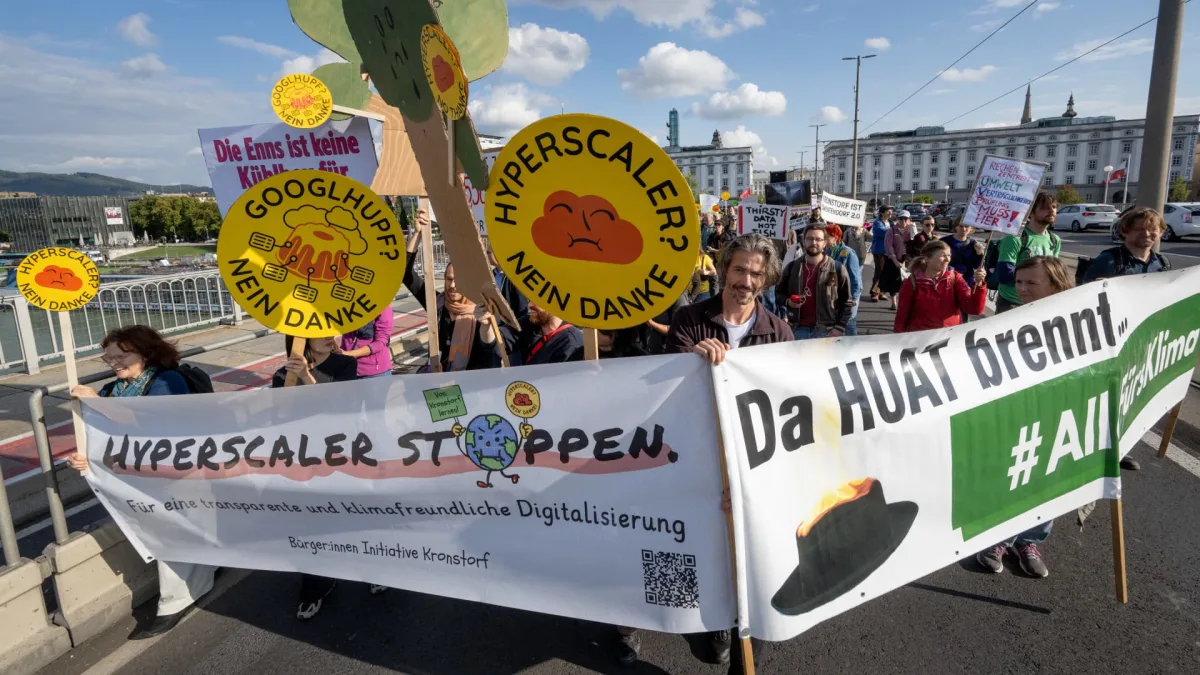
The acceleration in spending on artificial intelligence infrastructure has created a fresh market risk for data center investments. Local opposition first visible in the U.S. is spreading to other markets, especially Europe and South Korea, while research shows that only in Europe the amount affected by delays and cancellations has reached $42 billion.
That figure is compared with roughly $77 billion in investments under pressure for the same reason in the U.S. According to experts, growing public resistance is lengthening permitting processes and directly affecting project timelines and final costs.
Permitting is getting harder in Europe
According to European Data Center Monitor data, more than 70 data center projects were rejected or restricted in Europe between January and April. That is already above the level seen in all of 2025 and indicates that objections are spreading from municipalities to courts, regulators and parliaments.
Grid, water and land pressures stand out
Scotland has halted planning approvals for new hyperscale data centers after campaign pressure. Denmark passed emergency legislation that could push data centers to the back of the queue for grid connection applications after a surge in requests, while Spain has proposed new rules requiring 80% of a project’s power to come from renewable sources.
In the U.K., some projects are slowing because of local objections, with debate focused on water use, high electricity consumption, energy prices and the large amount of land required. The sector’s ability to create lasting jobs, along with the lack of a clear standard for measuring a facility’s economic value per megawatt, is also making investment decisions more difficult.
- Concerns over energy and water use are rising in densely populated areas.
- Permit delays can put preparatory spending at risk before capital expenditure even begins.
South Korea’s growth push runs into local resistance
In June, the South Korean government named AI data centers one of three major investment areas alongside semiconductors and physical AI. Even so, in Geumcheon, southwest of Seoul, residents called for the cancellation of a building permit and a halt to construction for a data center planned near their homes.
In July, officials said they were planning to require majority approval from people living within 200 meters of proposed data center sites, along with a three-stage review process and a dispute-resolution mechanism for projects. According to local media, protests held on weekday mornings against the same project had lasted 172 days by mid-August.
In Gwacheon, just south of Seoul, a local council member also proposed a regulation aimed at protecting nearby residents from the risks of data centers operating around the clock, including fires that could be caused by backup batteries.
Cost and valuation pressure for companies
Although there is no clear sign that AI-driven demand is weakening in the short term, the main vulnerability for investors is projects being delayed or shelved before construction even begins. Sector consultants say significant resources are committed to land, project development and application processes before permits are approved, increasing the risk of stranded costs if projects fail.
Equinix says that as digital infrastructure becomes more visible, local communities are asking more questions about what is being built and how its impacts will be managed, while also acknowledging that the policy environment is tightening in some markets. For the market, this shows that in the data center investment case, social acceptance and regulatory risk have become key variables alongside demand and energy costs.
"""





Comments (0)
No comments yet. Be the first to comment.
Write a Comment
Yorum yazmak için giriş yapın. Üyelik ücretsiz; yorumunuz editör onayından sonra yayımlanır.