
Humanitarian Aid Blocked, Camps Set on Fire in Ceuta
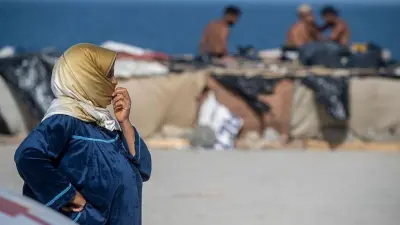
Spain’s autonomous city of Ceuta in North Africa is being shaken by violence between far-right groups and irregular migrants after the mass influx at the end of July. Thousands of migrants who reached the city after crossing the Moroccan border about a month ago have been struggling to survive in the streets and on the beaches, heightening tensions between local residents and migrants.
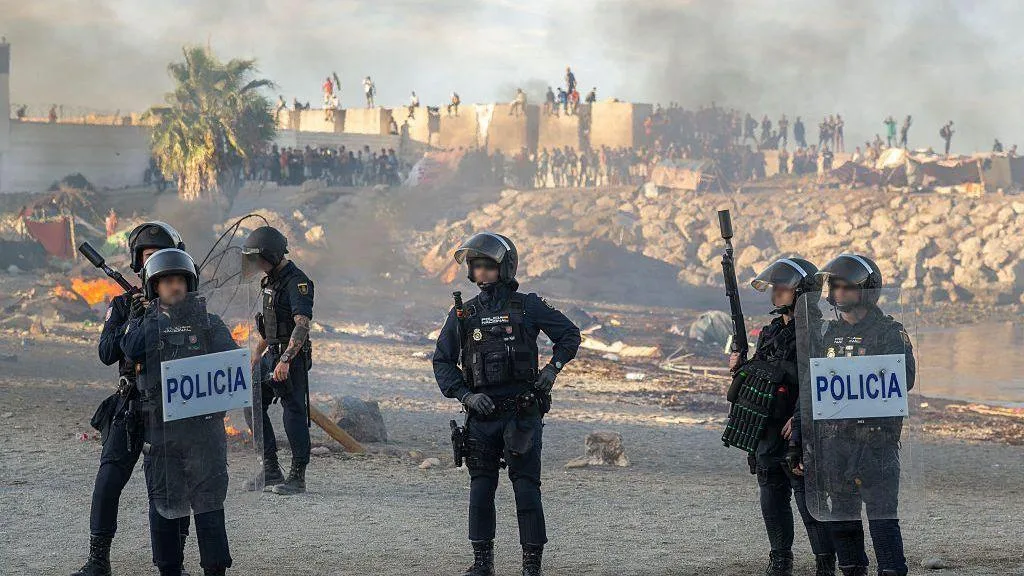
In Thursday’s incidents, civilian groups prevented Red Cross workers from distributing food and water to migrants. Tents on Trampolín beach, where migrants were being sheltered, were then set on fire. Clashes broke out between police officers who intervened at the scene and demonstrators. Groups were also reported to be roaming the streets in search of migrants, while journalists were threatened as well.
Political Polarization and Racism Probe
As the crisis deepened, sharp debate also erupted in Spanish politics. The left-wing coalition government led by Prime Minister Pedro Sánchez accused the opposition conservative People’s Party (PP) and the far-right Vox party of fueling social hatred. A hate-crime investigation was launched into Vox lawmaker José María Figaredo over remarks that migrants should be hunted down one by one.
In response, Ceuta Mayor Juan Jesús Vivas said the city had a right to normal life, adding in a
"Spain’s honor is being tested in Ceuta right now"remark. The government also placed crisis management under direct central control, bypassing local authorities.
Reform of Migration Laws and Sovereignty Debate
Interior Minister Fernando Grande-Marlaska urged restraint, saying the marginalization of migrants deepens social division. Defense Minister Margarita Robles apologized to the people of Ceuta and announced that Spain’s national immigration laws would undergo a sweeping reform.
The crisis also brought the sovereignty dispute between Spain and Morocco back into focus. After Rabat reiterated its historical claims over Ceuta and Melilla, Spanish Foreign Minister José Manuel Albares issued a sharp response. Albares said Spain’s territorial integrity was not open to negotiation with any country.
Key Figures in the Ceuta Migration Crisis
- At the end of July, 72,000 people tried to cross into the city from Morocco within two days.
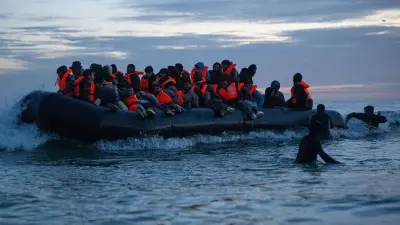
- At least 100 people died while trying to reach the city by swimming from the coast.
- While most of those who crossed were returned, thousands of migrants and unaccompanied children are still in the city.




Comments (0)
No comments yet. Be the first to comment.
Write a Comment
Yorum yazmak için giriş yapın. Üyelik ücretsiz; yorumunuz editör onayından sonra yayımlanır.