
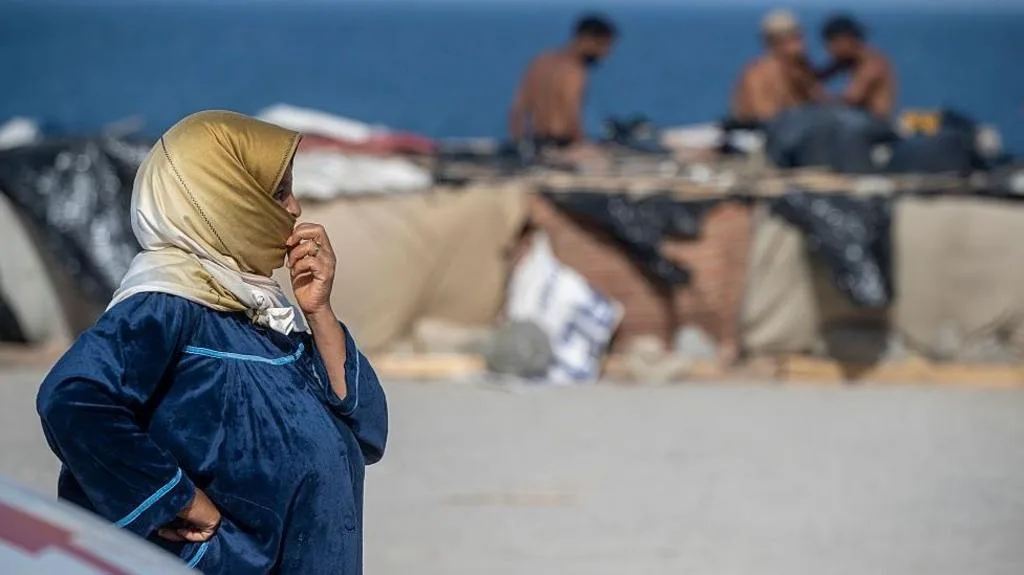
Cases recorded after the migrant surge
Sex assault cases in Ceuta have risen sharply since the mass crossing on July 30 and 31, according to Spanish prosecutors. Ceuta chief prosecutor Silvia Rojas said 23 assaults have been recorded since then, nine of them involving children. The figures suggest that nearly one case has been opened every day in the city.
At least 72,000 migrants crossed from Morocco into Ceuta, Spain's autonomous North African enclave, over those two days. While most later returned, around 5,000 people are believed to have remained in the city, including between 1,400 and 1,600 children.
Why are the victims seen as especially vulnerable?
Rojas said migrant girls and women without regular status are especially at risk. Prosecutors say many victims do not file formal complaints because of fear or uncertainty about their situation in Ceuta, raising concerns that the real scale of abuse may be worse than the official figures suggest.
Key findings from the investigations
- 23 sex assault cases reached prosecutors.
- 9 of the cases involved crimes against children.
- The suspects include four Moroccans, three Spaniards and one Belgian.
An emergency doctor at Ceuta University Hospital said several sex assault victims, some of them children, have been treated in recent weeks. The Spanish Society of Epidemiology said the border crisis has highlighted the difficulty of identifying and preventing violence against migrant women and girls.
Pressure mounts on Madrid
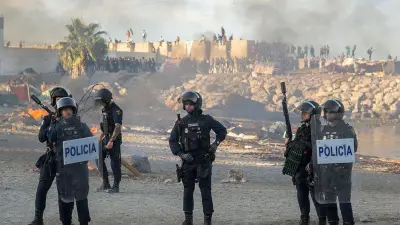
Recent tension and scenes of violence between migrants and local residents have pushed the crisis to the top of the political agenda. Prime Minister Pedro Sánchez convened the National Security Council for the second time in a week to address the issue.
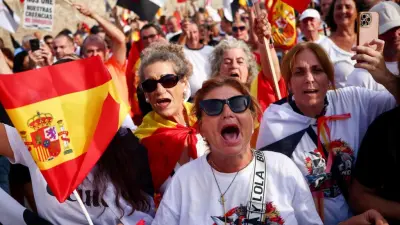
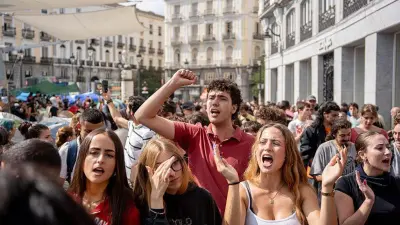
Economy Minister Carlos Cuerpo said the cabinet approved a support package worth millions of euros to keep basic services running and provide care for unaccompanied children. Ceuta Mayor Juan Jesús Vivas called for demonstrations across Spain in solidarity with the city.
As Madrid faces mounting criticism over its handling of the crisis, the opposition is also questioning the government's approach to Morocco. Rabat has denied claims that it organized or was involved in the mass crossing, while Sánchez says misinformation spread on social media is fueling the crisis.
"""


Comments (0)
No comments yet. Be the first to comment.
Write a Comment
Yorum yazmak için giriş yapın. Üyelik ücretsiz; yorumunuz editör onayından sonra yayımlanır.